BDNF (Brain-Derived Neurotrophic Factor) (10mg)
Login to view prices.
Gonadorelin (10mg)
Login to view prices.
Epithalon (50mg)
Login to view prices.
BPC-157 (10mg) / TB500 (10mg) - Wolverine Blend
Login to view prices.
Login to view prices.
Existing research has found the following:
Supports Tissue Repair & Regeneration Research – Studied for its potential to accelerate healing and promote cellular migration during tissue recovery.
Explores Musculoskeletal & Dermal Healing Pathways – Investigated for aiding repair of muscle, tendon, ligament, and skin tissue in experimental models.
Evaluates Anti-Inflammatory & Immune Modulation Effects – Examined for reducing inflammatory activity and supporting immune coordination during recovery.
Tissue Repair and Wound-Healing Research
Thymosin Beta-4 (TB-500), a synthetic peptide fragment derived from the natural thymic protein, has been studied in pre-clinical systems for its ability to promote actin polymerization, angiogenesis, and cellular migration in models of tissue injury and wound repair.
Muscle and Connective-Tissue Recovery
In animal and cell-culture models, TB-500 has been associated with accelerated muscle-fiber regeneration, tendon and ligament healing, and overall connective-tissue recovery following mechanical or chemical injury.
Inflammation and Immune Modulation
Experimental data suggest that Thymosin Beta-4 can modulate inflammatory cytokine activity and support immune balance in non-clinical systems, making it a valuable research tool for studying inflammation resolution and tissue homeostasis.
Cellular Growth and Migration Pathways
TB-500 has been used in in-vitro research to explore cellular motility, differentiation, and matrix remodeling mechanisms through regulation of actin-sequestering proteins and growth-factor expression.
Cardiac and Vascular Repair Models
In pre-clinical studies, Thymosin Beta-4 has shown potential to promote angiogenesis and cardiac tissue recovery following ischemic injury, supporting its use in cardiovascular repair and endothelial-regeneration research.
Joint and Cartilage Research
TB-500 has been explored in non-clinical models for its potential role in chondrocyte differentiation, extracellular-matrix stabilization, and joint-mobility restoration following injury or degenerative processes.
Neurological and Neuroprotective Models
Pre-clinical research suggests possible neuroprotective effects via modulation of neuronal survival and axonal repair pathways, enabling studies in peripheral-nerve and central-nervous-system regeneration.
Lyophilized TB500 peptide is stable at room temperature for 90 days; however, it should NOT be stored below freezing for any extended period. After reconstitution, refrigerate at ≤36°F.
Appearance: Solid, white powder in 3mL glass ampule
Chemical Formula: C212H350N56O78S
PubChem CID: (Specify if available)
CAS Number: 77591-33-4
Molecular Weight: 4963.49 g/mol
Synonyms: TB500, Thymosin Beta 4, 77591-33-4
Storage: Store at ≤6°C, sealed, away from heat, light, and moisture.
Concentration: ≥98%
Research Use Only (RUO). Not for human or animal use. Not for diagnostic, therapeutic, or clinical applications. No claims are made regarding wound healing, inflammation reduction, or cardiac repair in humans. End-user assumes responsibility for determining suitability for specific research protocols.

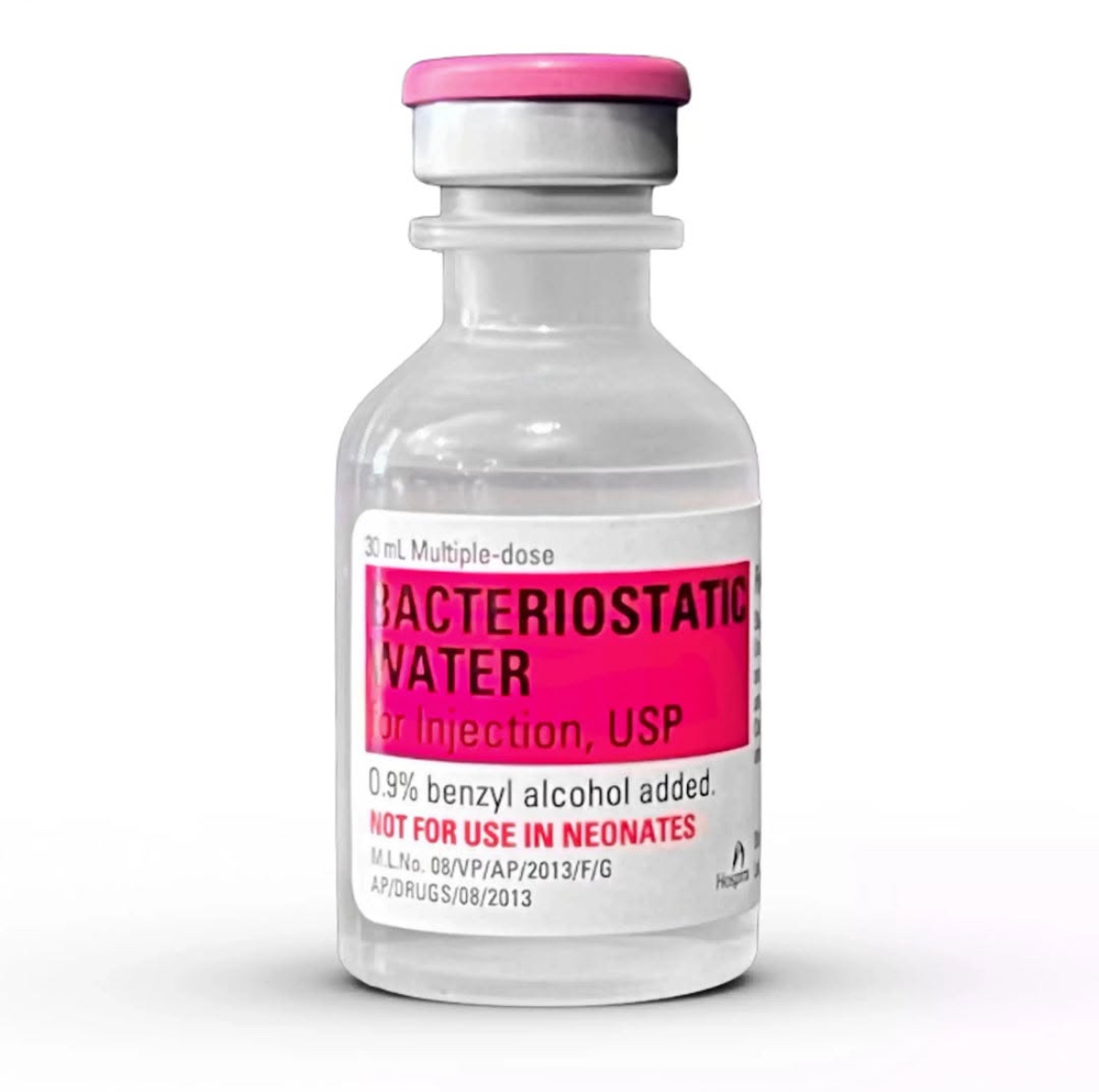
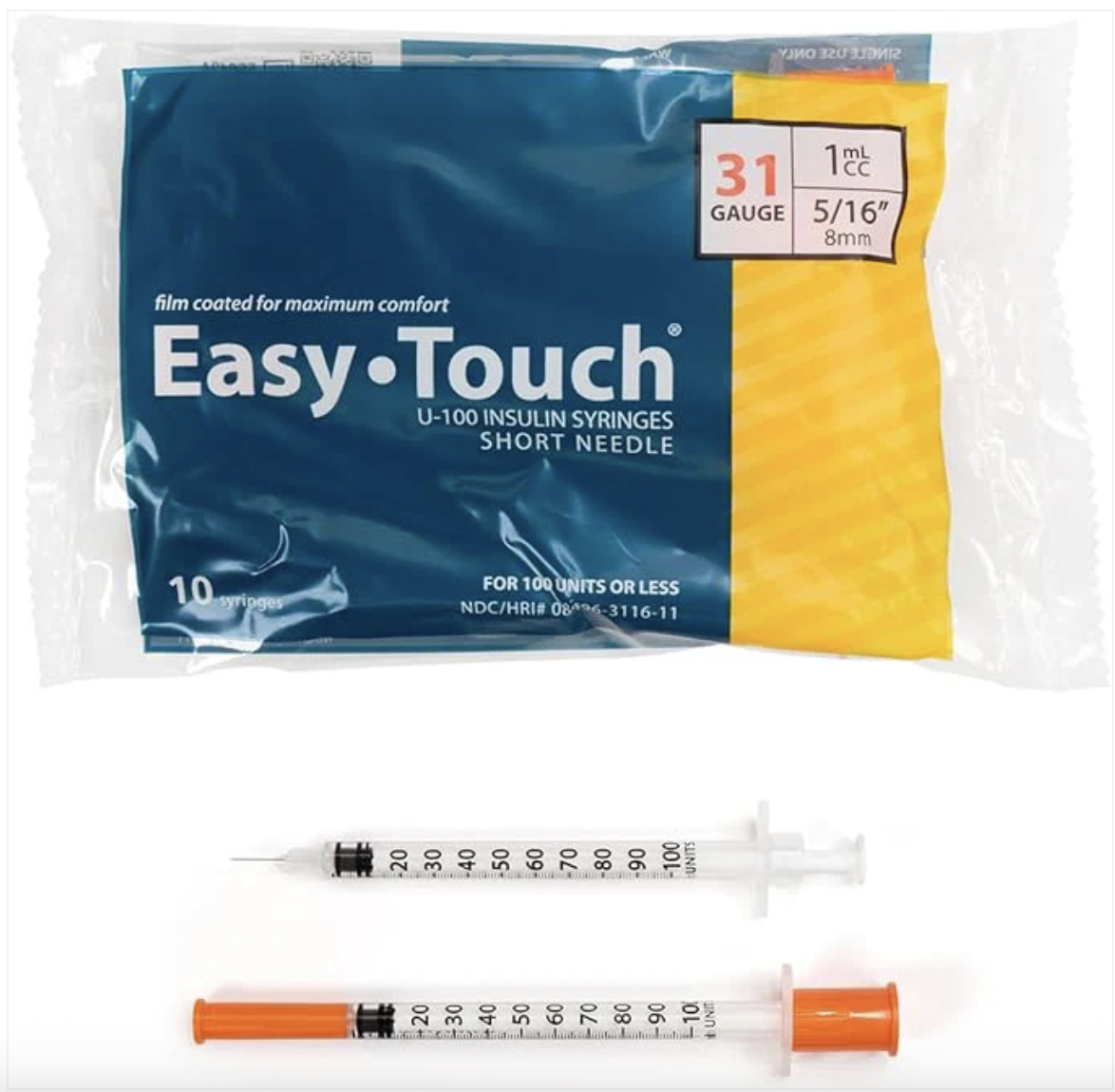
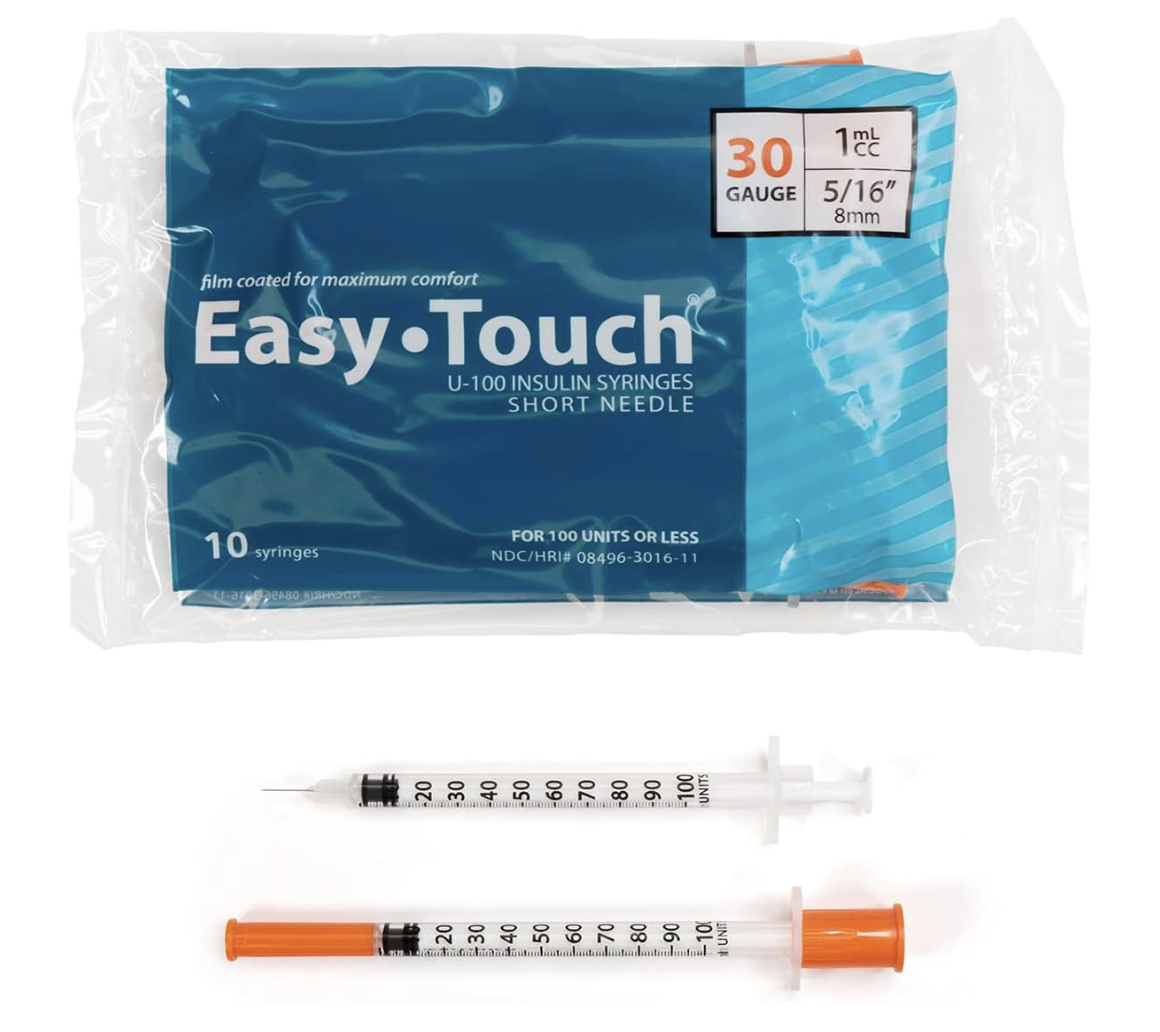
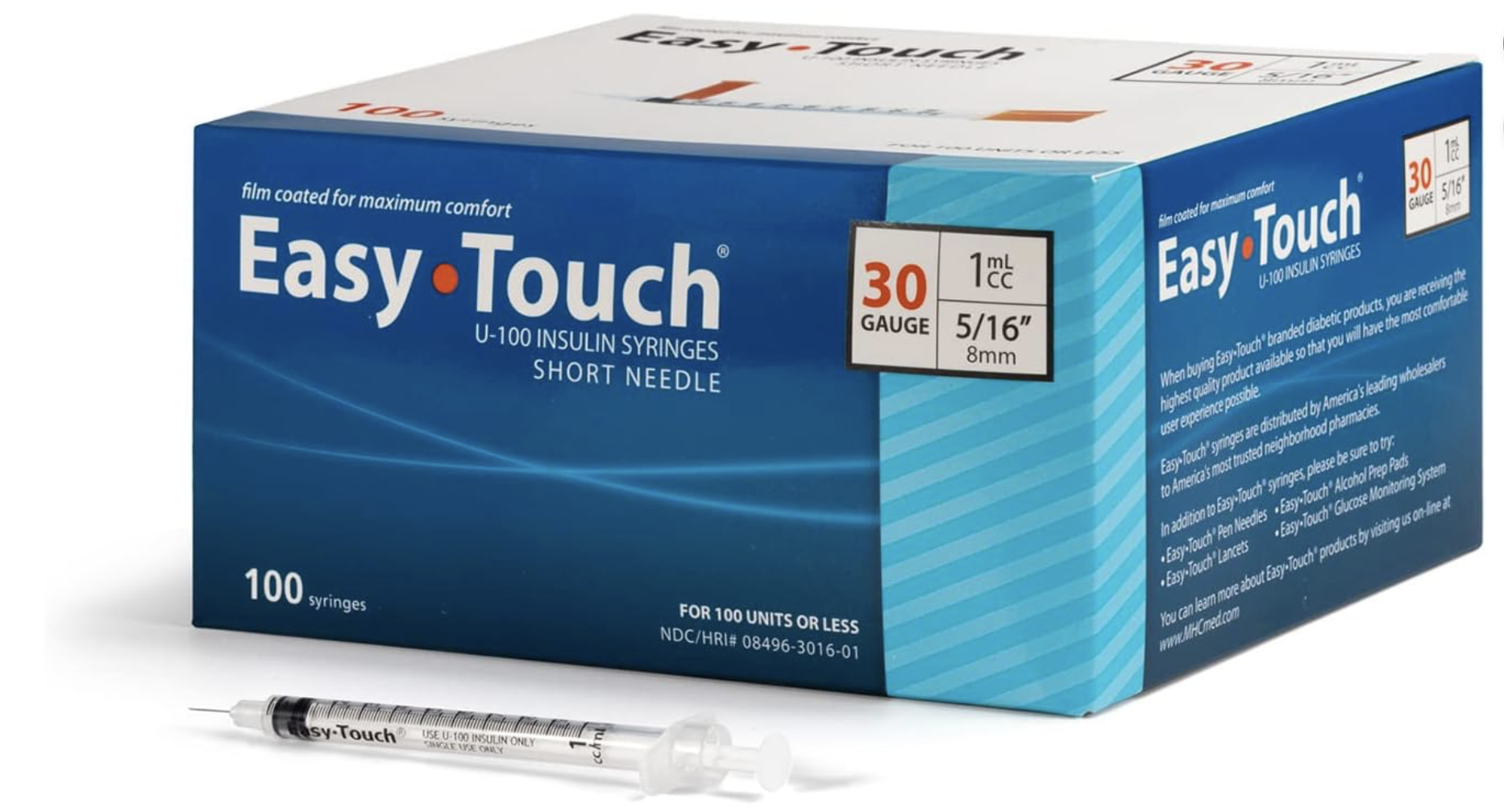
Bacteriostatic Water, Alcohol Pads, and Syringes are not included with orders. Please add them to your cart. If you are only purchasing topical solutions or tablets then these items are not necessary.