
LL-37 Complex (5mg)
$179.00
KPV (10mg)
$139.00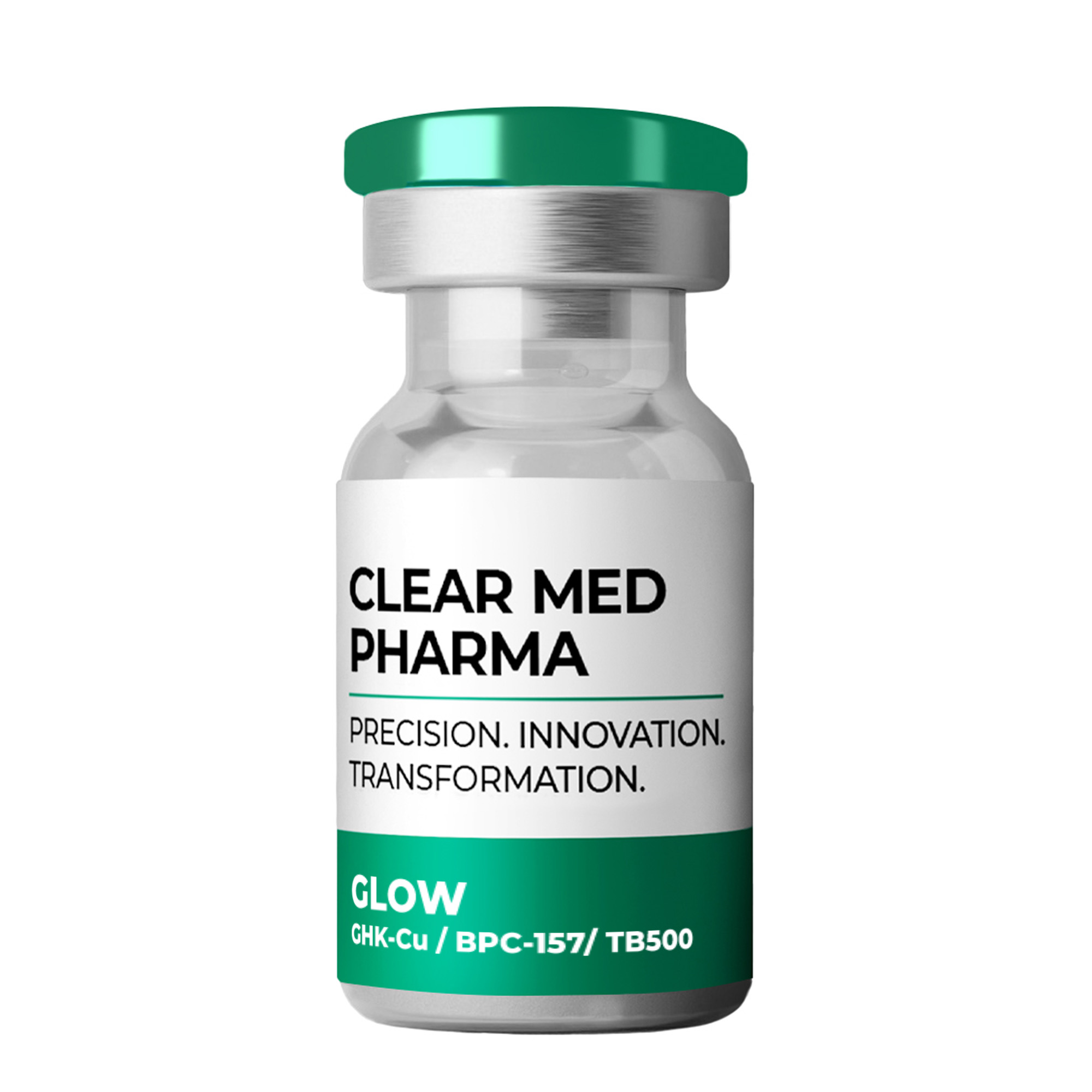
GHK-Cu (50mg) / BPC-157 (10mg) / TB500 (10mg) - GLOW 70
$269.00
Glutathione 1500mg
$129.00
$149.00
Existing research has found the following:
Supports Growth Hormone-Releasing Research – Studied for its ability to stimulate endogenous GH secretion without suppressing natural production.
Explores Visceral Fat Reduction Pathways – Investigated for its effects on abdominal fat metabolism and redistribution in research models.
Growth-Hormone Axis and Endocrine Signaling Research
Tesamorelin is a synthetic growth-hormone–releasing hormone (GHRH) analog studied in pre-clinical and cellular systems for its ability to stimulate pituitary GH secretion through GHRH-receptor activation. It serves as a model for studying hypothalamic–pituitary endocrine regulation and GH-mediated feedback mechanisms.
Adipose-Tissue and Visceral-Fat Models
In animal research, Tesamorelin has been shown to reduce visceral adiposity and improve metabolic markers, making it useful for studying lipid mobilization, adipocyte metabolism, and energy-storage regulation.
Body-Composition and Anabolic Studies
Laboratory findings indicate Tesamorelin increases IGF-1 expression and myogenic signaling pathways, supporting its use in research on lean-mass development, muscle repair, and anabolic hormone regulation.
Neuroprotection and Cognitive-Function Research
Pre-clinical data suggest Tesamorelin may influence neurotrophic and synaptic pathways, allowing investigation into GH-linked neuroprotection, cognitive function, and neuroendocrine health.
Tissue-Repair and Recovery Models
In vitro and animal studies show Tesamorelin can enhance fibroblast activity and protein synthesis, supporting its inclusion in muscle-healing and recovery assays.
Metabolic-Regulation and Fat-Oxidation Research
Tesamorelin has been observed to modulate lipid metabolism and mitochondrial function, providing a platform for studying metabolic efficiency, glucose utilization, and energy balance.
Dermatologic and Anti-Aging Mechanisms
GH-mediated collagen production and dermal remodeling have been explored in non-clinical contexts, making Tesamorelin a candidate for investigating cellular regeneration, elasticity, and extracellular-matrix synthesis.
Lipid-Profile and Cardiometabolic Research
Experimental literature describes Tesamorelin’s influence on lipid metabolism and triglyceride regulation, aiding studies focused on cardiovascular risk and lipid-transport physiology.
Concentration: ≥99%
Research Use Only (RUO). Not for human or animal use. Not for diagnostic, therapeutic, or clinical applications. No claims are made regarding fat loss, muscle growth, or anti-aging benefits in humans. End-user assumes responsibility for determining suitability for specific research protocols.