DSIP (5mg)
Login to view prices.
BDNF (Brain-Derived Neurotrophic Factor) (10mg)
Login to view prices.
IGF-1LR3 (1mg)
Login to view prices.
Gonadorelin (10mg)
Login to view prices.
Login to view prices.
Existing research has found the following:
Supports Social & Behavioral Research – Studied for its potential to enhance trust, emotional bonding, and prosocial interaction.
Explores Stress & Anxiety Modulation – Investigated for its influence on cortisol regulation and relaxation pathways.
Evaluates Cognitive & Emotional Processing – Examined for its effects on memory, learning, and emotional interpretation in experimental models.
Social and Behavioral Neuroscience Research
Oxytocin, an endogenous neuropeptide synthesized in the hypothalamus, has been widely studied in pre-clinical models for its role in social bonding, trust formation, and affiliative behaviors, providing a tool for investigating neurochemical regulation of social cognition.
Stress and Cortisol-Regulation Pathways
In animal and cellular systems, Oxytocin has been shown to modulate hypothalamic–pituitary–adrenal (HPA) axis activity and reduce stress-induced corticosterone levels, making it useful for studying anxiolytic and stress-adaptation mechanisms.
Cognitive and Memory Models
Pre-clinical research indicates that Oxytocin can influence hippocampal and amygdalar neural circuits involved in learning, memory consolidation, and emotional processing, supporting its use in neurocognitive function studies.
Wound-Healing and Regenerative Studies
Experimental literature suggests that Oxytocin may enhance fibroblast migration, angiogenesis, and collagen deposition in non-clinical models, offering insight into peptide-regulated tissue-repair mechanisms.
Pain-Perception and Analgesia Research
In rodent models, Oxytocin has demonstrated modulation of nociceptive pathways through central and peripheral mechanisms, making it a useful compound for pain-response and neurochemical-signaling assays.
Cardiovascular and Vascular Function Models
Studies in animal systems have linked Oxytocin to vasodilation and blood-pressure regulation through endothelial nitric-oxide signaling, supporting cardiovascular and microcirculation research.
Reproductive and Endocrine Studies
Oxytocin has been utilized in non-clinical settings to examine pituitary and gonadal feedback loops, hormone-release mechanisms, and peptide-mediated effects on reproductive tissue responses.
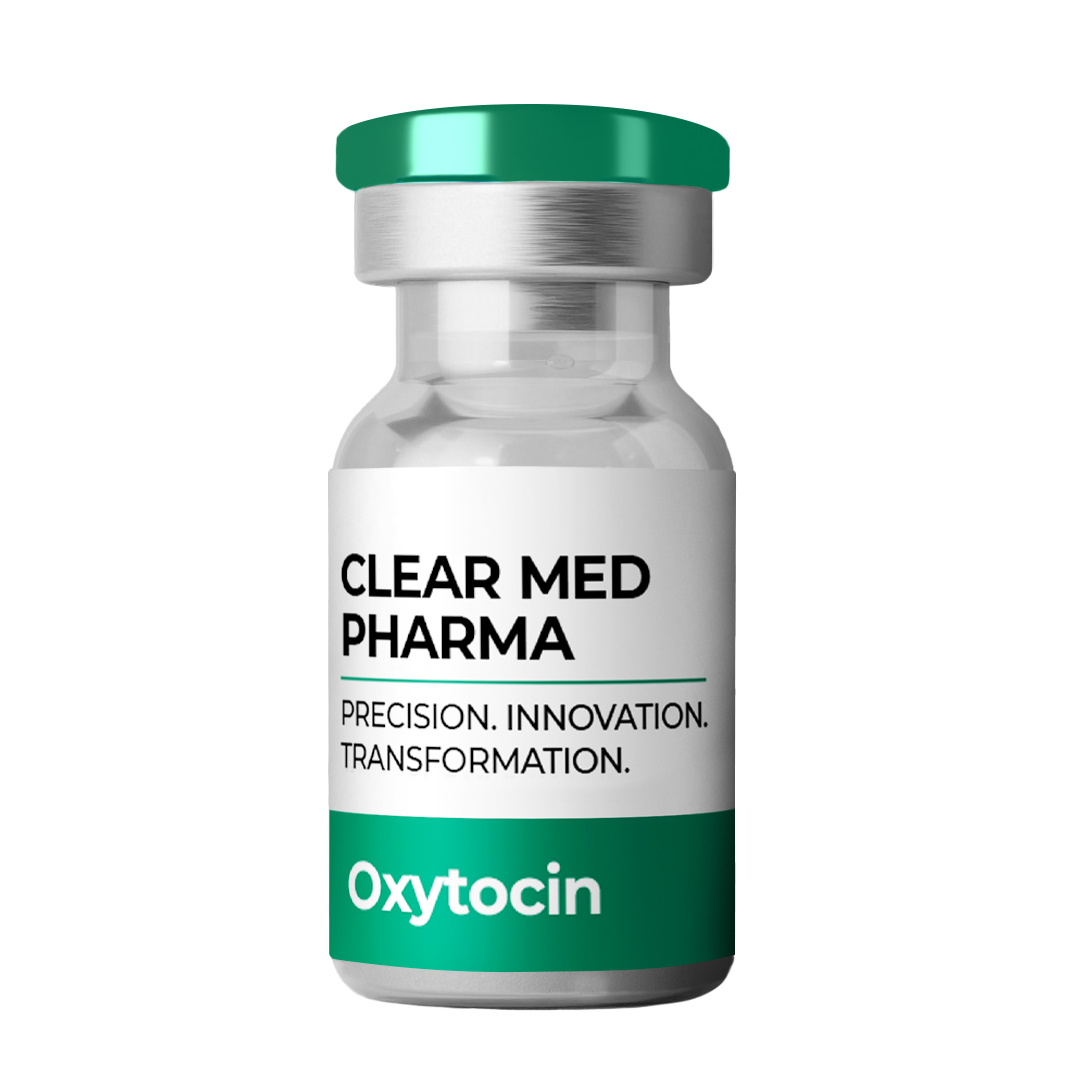
Lyophilized Oxytocin peptide is stable at room temperature for 90 days; however, it should NOT be stored below freezing for any extended period. After reconstitution, refrigerate at ≤36°F.
Appearance: Solid, white powder in 3mL glass ampule
Chemical Formula: C43H66N12O12S2
PubChem CID: 439302
CAS Number: 50-56-6
Molecular Weight: 1007.19 g/mol
Synonyms: Pitocin, Syntocinon, 50-56-6
Storage: Store at ≤6°C, sealed, away from heat, light, and moisture.
Concentration: ≥98%
Research Use Only (RUO). Not for human or animal use. Not for diagnostic, therapeutic, or clinical applications. No claims are made regarding social bonding, stress relief, sexual function, or wound healing in humans. End-user assumes responsibility for determining suitability for specific research applications.

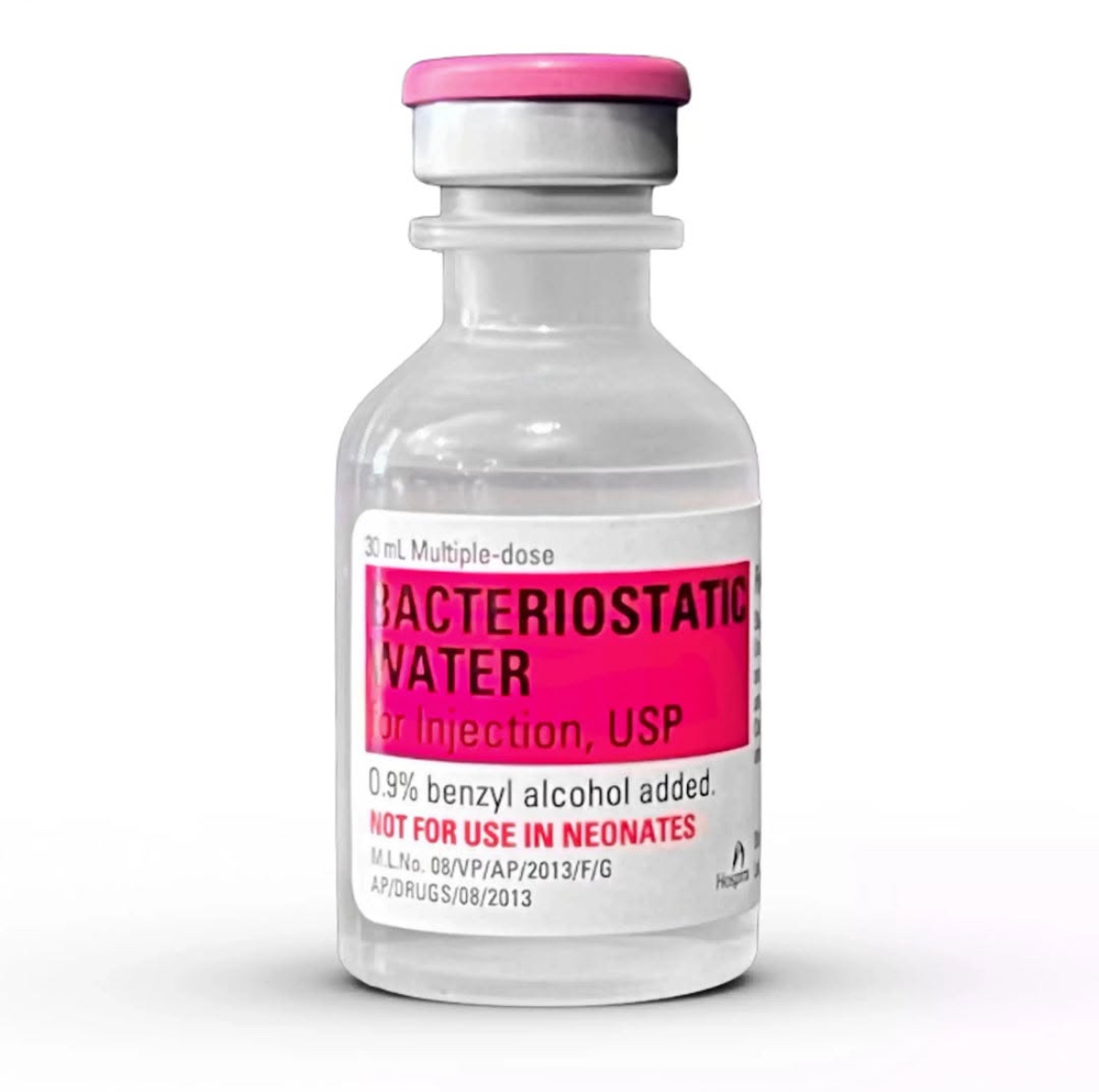
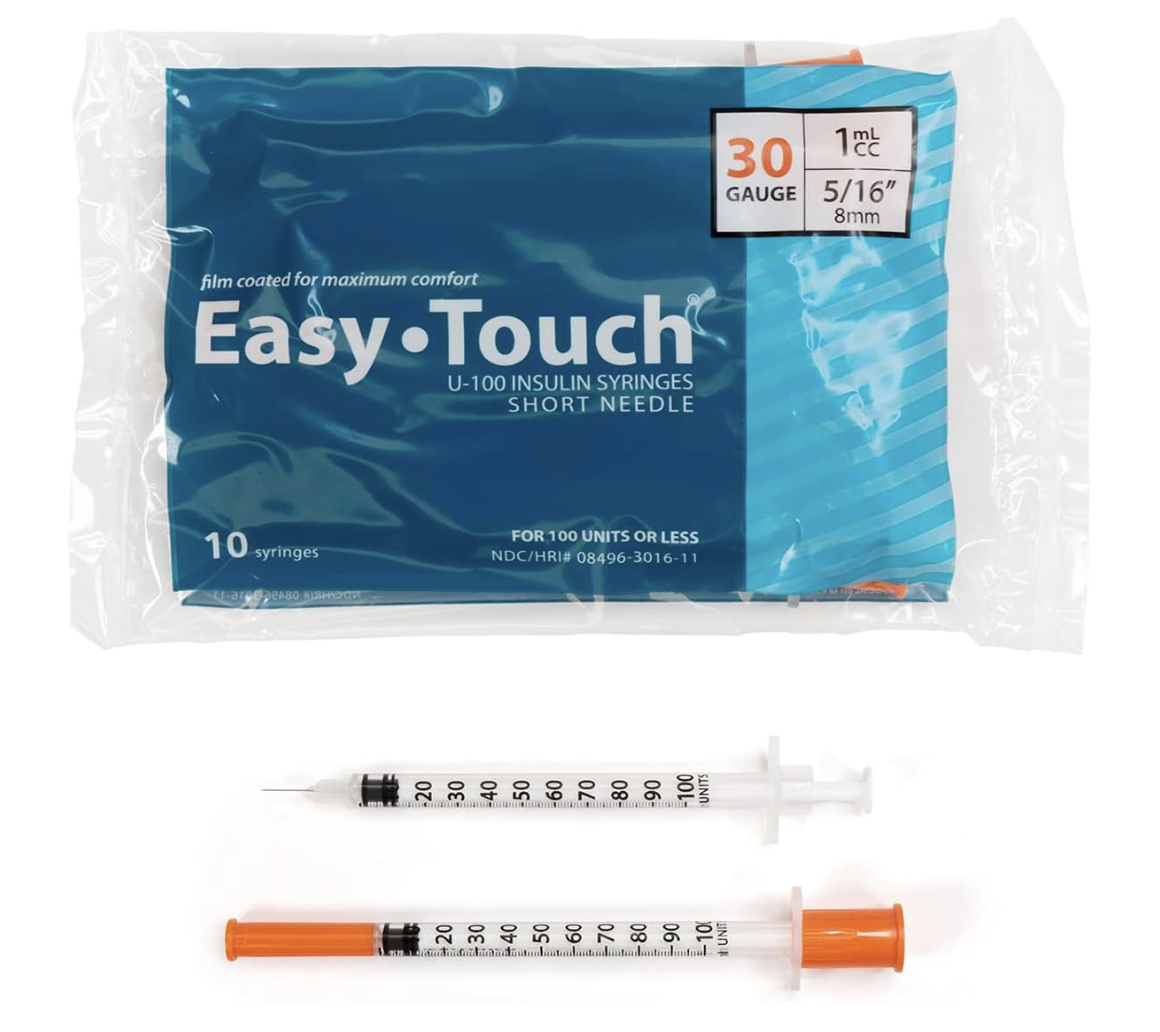
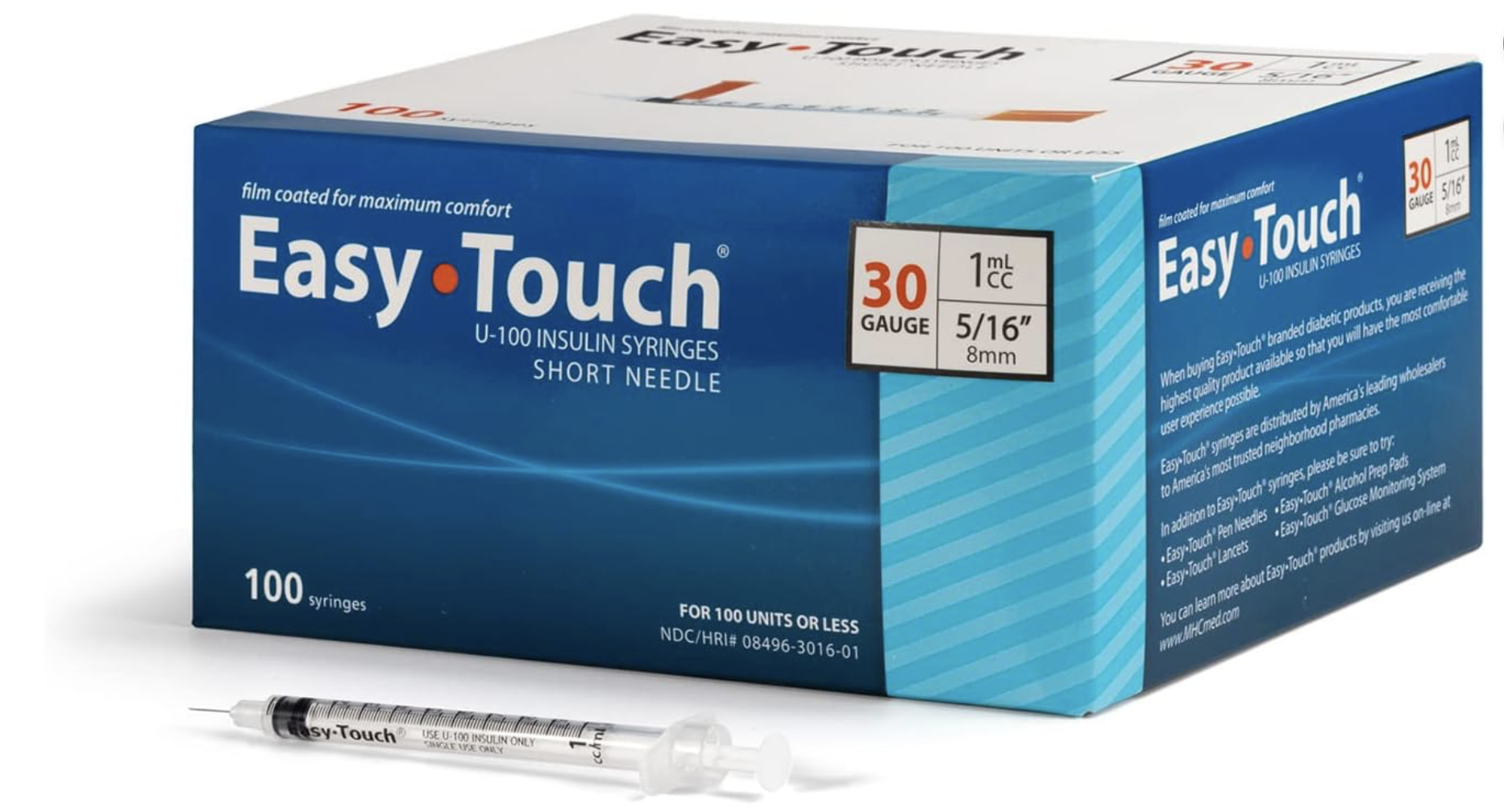
Bacteriostatic Water, Alcohol Pads, and Syringes are not included with orders. Please add them to your cart. If you are only purchasing topical solutions or tablets then these items are not necessary.