DSIP (5mg)
Login to view prices.
CJC1295 No DAC (10mg)
Login to view prices.
BDNF (Brain-Derived Neurotrophic Factor) (10mg)
Login to view prices.
Gonadorelin (10mg)
Login to view prices.
Login to view prices.
Existing research has found the following:
Supports Cellular Energy Research – Studied for its potential role in mitochondrial activity and nutrient-driven energy metabolism.
Explores Antioxidant & Redox Modulation – Investigated for balancing oxidative stress and maintaining cellular homeostasis.
Evaluates Immune & Inflammatory Pathways – Examined for its influence on immune signaling and inflammatory response mechanisms.
Cellular Energy & Metabolic Support
In non-clinical model systems, B-vitamins (B1, B2, B3, B5, B6, B12) function as enzymatic cofactors within mitochondrial and cytosolic pathways relevant to energy metabolism and redox cofactor cycling.
Redox & Antioxidant Dynamics
As reported in pre-clinical literature, ascorbic acid (vitamin C), quercetin, resveratrol, and EGCG are studied for in-vitro modulation of oxidative processes and free-radical quenching characteristics in chemical and cell-based assays.
Mineral-Driven Signaling
Magnesium chloride, calcium gluconate, and zinc ions are widely utilized in in-vitro systems for their roles as cofactors in enzyme activity and for probing ion-dependent signaling cascades.
Neuro-Immune Modulation
Vitamin D3 (cholecalciferol) is under investigation in non-clinical settings for its effects on gene expression programs in cultured immune-lineage cells and models of neuro-immune signaling.
Inflammation & Cellular Resilience
Curcumin and quercetin are evaluated in pre-clinical studies for their capacity to influence pro-inflammatory signaling readouts and stress-response markers in cell and non-human models.
Synergistic Multi-Nutrient Matrix
Multi-analyte mixtures of the above components are being explored for systems-level effects on recovery kinetics, stress-response pathways, and metabolic homeostasis in in-vitro and non-clinical models. Findings are model-dependent and not established for clinical use.
STORAGE DETAILS:
Store sealed at 4 °C (39 °F), protected from light and moisture. Do not freeze. Keep container tightly capped to preserve chemical integrity.
Application:
A multi-compound micronutrient and phytonutrient complex under investigation for its combined roles in cellular redox balance, metabolic enzyme activity, and antioxidant pathways. Research explores how these nutrients interact in studies of mitochondrial function, immune signaling, and stress-response mechanisms.
Appearance:
Clear, ready-to-use liquid solution in amber glass vial or dropper bottle.
| Compound | Chemical Formula | CAS Number | Approx. Molecular Weight |
|---|---|---|---|
| Thiamine (Vitamin B1) | C12H17N4OS⁺ | 59-43-8 | 265.4 g/mol |
| Riboflavin (Vitamin B2) | C17H20N4O6 | 83-88-5 | 376.4 g/mol |
| Niacin (Vitamin B3) | C6H5NO2 | 59-67-6 | 123.1 g/mol |
| Pantothenic Acid (Vitamin B5) | C9H17NO5 | 79-83-4 | 219.2 g/mol |
| Pyridoxine (Vitamin B6) | C8H11NO3 | 65-23-6 | 169.2 g/mol |
| Cyanocobalamin (Vitamin B12) | C63H88CoN14O14P | 68-19-9 | ~1355 g/mol |
| Magnesium Chloride (MgCl2·6H2O) | MgCl2·6H2O | 7791-18-6 | 203.3 g/mol (hexahydrate) |
| Calcium Gluconate | C12H22CaO14 | 299-28-5 | 430.4 g/mol |
| Vitamin C (L-ascorbic acid) | C6H8O6 | 50-81-7 | 176.1 g/mol |
| Curcumin | C21H20O6 | 458-37-7 | 368.4 g/mol |
| Resveratrol | C14H12O3 | 501-36-0 | 228.2 g/mol |
| Zinc (as Zn²⁺) | Zn | 7440-66-6 | 65.4 g/mol |
| Vitamin D3 (Cholecalciferol) | C27H44O | 67-97-0 | 384.6 g/mol |
| Quercetin | C15H10O7 | 117-39-5 | 302.2 g/mol |
| Epigallocatechin gallate (EGCG) | C22H18O11 | 989-51-5 | 458.4 g/mol |
Synonyms:
Thiamine; Riboflavin; Nicotinic acid; Pantothenic acid; Pyridoxine; Cyanocobalamin; MgCl₂; Calcium gluconate; L-ascorbic acid; Diferuloylmethane (curcumin); 3,5,4′-trihydroxystilbene (resveratrol); Zn²⁺; Cholecalciferol (vitamin D3); 3,3′,4′,5,7-pentahydroxyflavone (quercetin); (-)-epigallocatechin-3-gallate (EGCG).
Concentration:
≥98 % purity for each constituent (by HPLC) as supplied by manufacturer.
Research Use Only. Not for human or animal consumption. Not for diagnostic, therapeutic, or clinical applications. No claims are made regarding clinical performance or health outcomes. End-user is responsible for determining suitability for their specific assay or protocol.
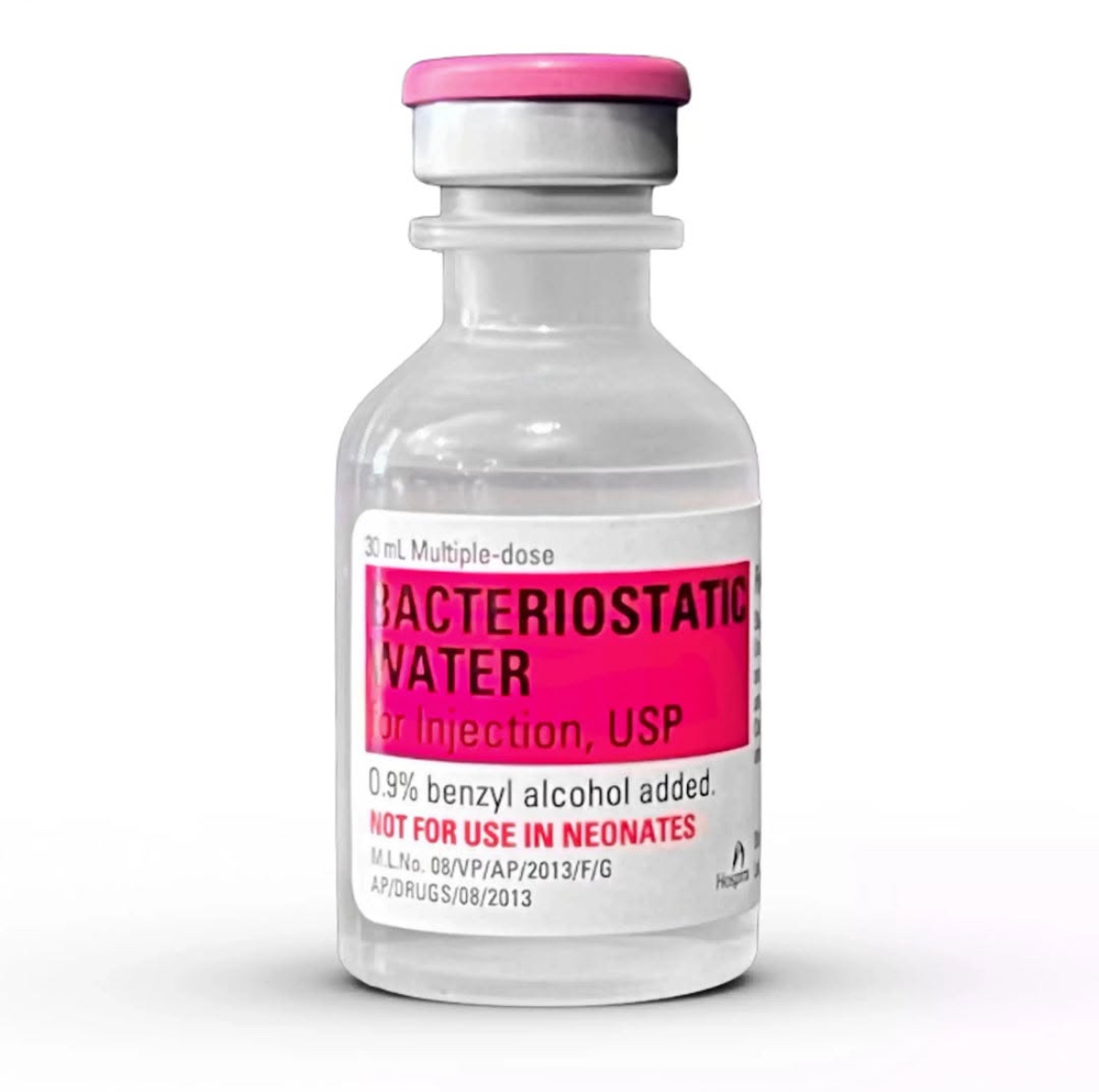
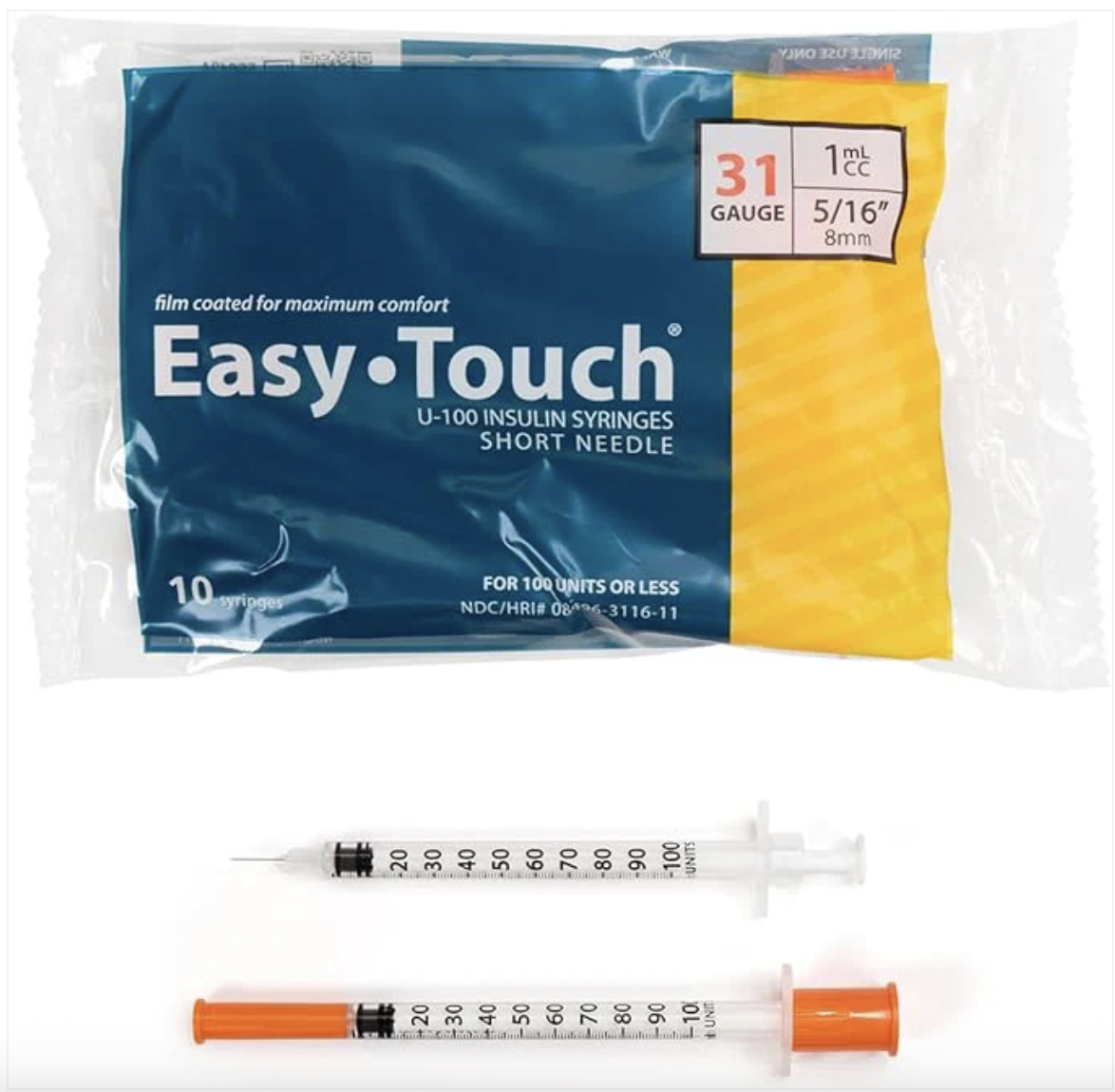
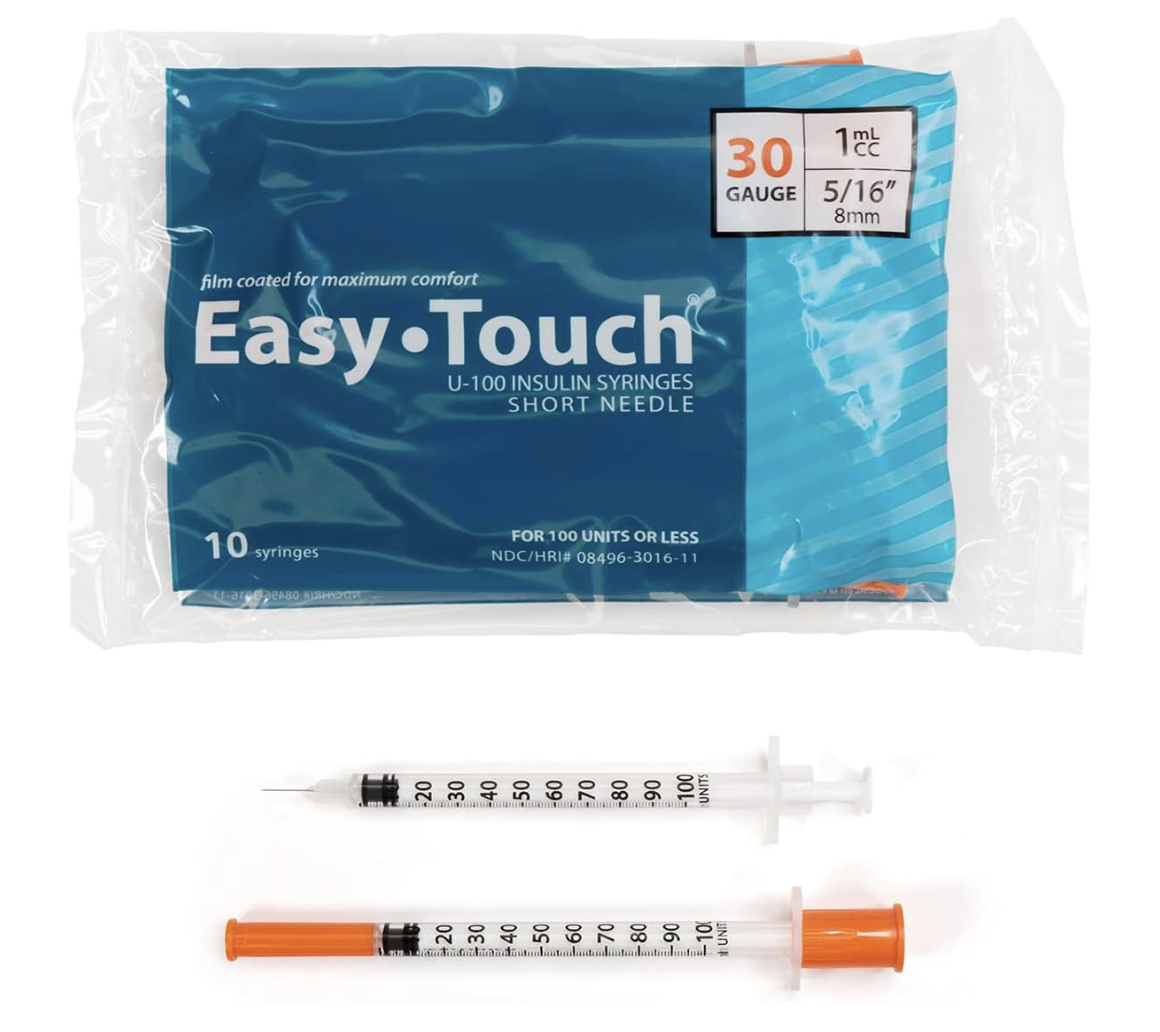
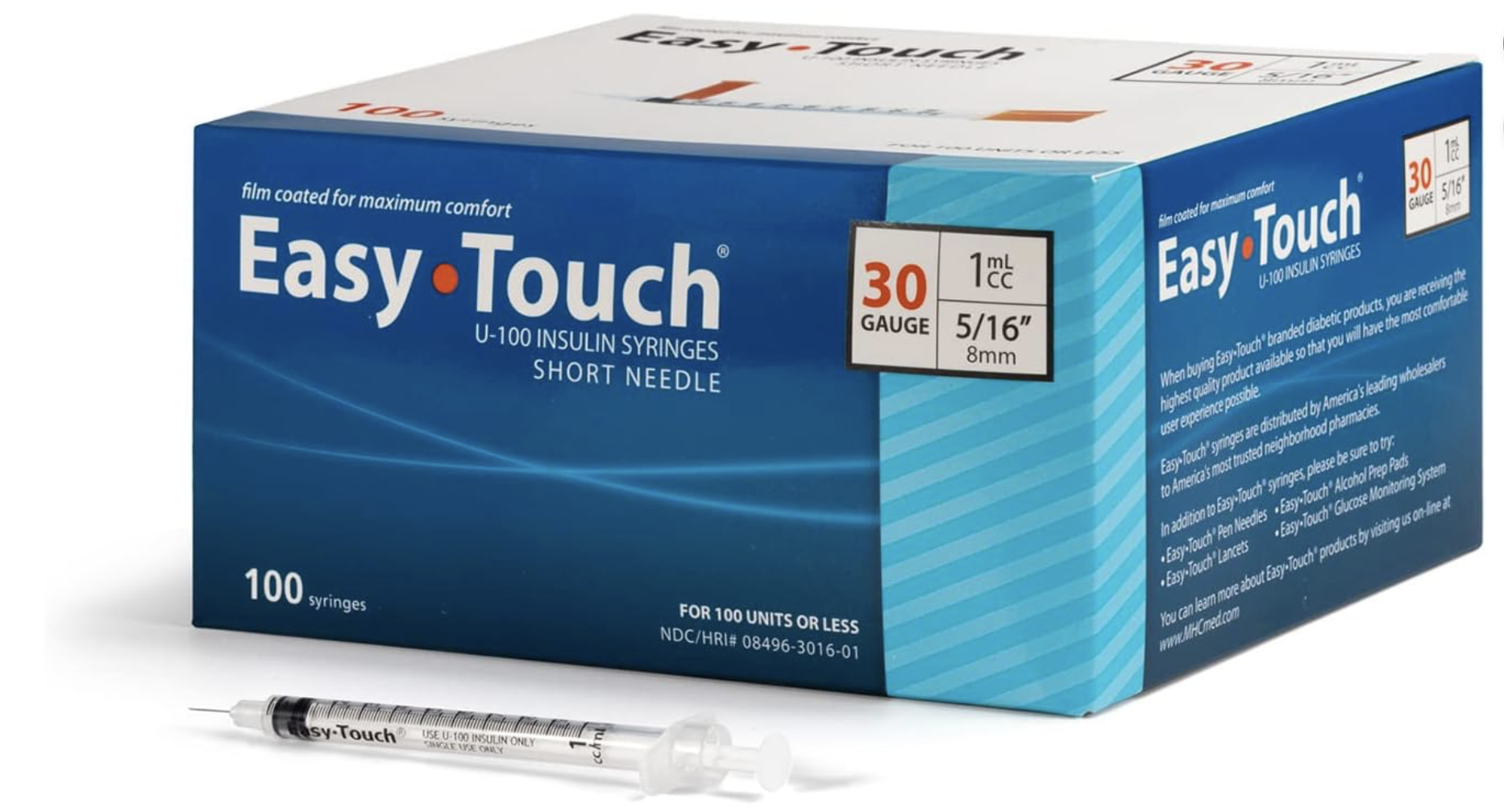
Bacteriostatic Water, Alcohol Pads, and Syringes are not included with orders. Please add them to your cart. If you are only purchasing topical solutions or tablets then these items are not necessary.