GHK-Cu (50mg) / BPC-157 (10mg) / TB500 (10mg) - GLOW Blend
Login to view prices.
DSIP (5mg)
Login to view prices.
GHRP-2 (10mg)
Login to view prices.
PT-141 (10mg)
Login to view prices.
Login to view prices.
Existing research has found the following:
Supports Pigmentation Research – Studied for its potential to stimulate melanin synthesis through melanocortin receptor activation.
Explores Photoprotective Mechanisms – Investigated for reducing UV-induced oxidative stress and supporting skin protection pathways.
Evaluates Sexual Function & Behavioral Pathways – Examined for its influence on libido, sexual motivation, and erectile function in experimental models.
Melanocortin Receptor and Pigmentation Research
Melanotan II is a synthetic cyclic peptide analog of α-melanocyte-stimulating hormone (α-MSH) studied in cellular and pre-clinical models for its affinity toward melanocortin receptors (MC1R and MC4R). These studies explore melanin-synthesis pathways and pigment-cell signaling mechanisms.
Melanin Production and UV-Response Models
In in-vitro systems, Melanotan II has been observed to increase melanin biosynthesis and melanosome dispersion in melanocytes, supporting research on photoprotection and skin-pigmentation biology.
Neuroendocrine and CNS Signaling Studies
Through its interaction with central melanocortin receptors (MC3R and MC4R), Melanotan II is used experimentally to investigate neural pathways involved in energy homeostasis, appetite control, and behavioral responses in animal models.
Appetite and Metabolic Regulation Research
Pre-clinical data suggest Melanotan II may influence hypothalamic neuronal activity related to satiety signaling and energy balance, making it useful for studies of feeding behavior and metabolic efficiency.
Photobiology and UV-Protection Mechanism Studies
Experimental evidence indicates Melanotan II enhances melanin-based photoprotection in skin-cell models, allowing exploration of UV-response and oxidative-stress defense mechanisms.
Neurobehavioral and Receptor-Activation Models
Activation of MC3R and MC4R in non-clinical research has been linked to changes in sexual and motivational behaviors, providing a basis for neuroendocrine and behavioral signaling studies.
Dermatologic and Pigmentation-Disorder Research
Laboratory studies have examined Melanotan II’s role in melanocyte stimulation for conditions such as vitiligo, offering insight into melanin-pathway restoration and cellular pigment distribution.
Concentration: ≥98%
Research Use Only (RUO). Not for human or animal use. Not for diagnostic, therapeutic, or clinical applications. No claims are made regarding tanning, sexual function, or weight management in humans. End-user assumes responsibility for determining suitability for specific research protocols.

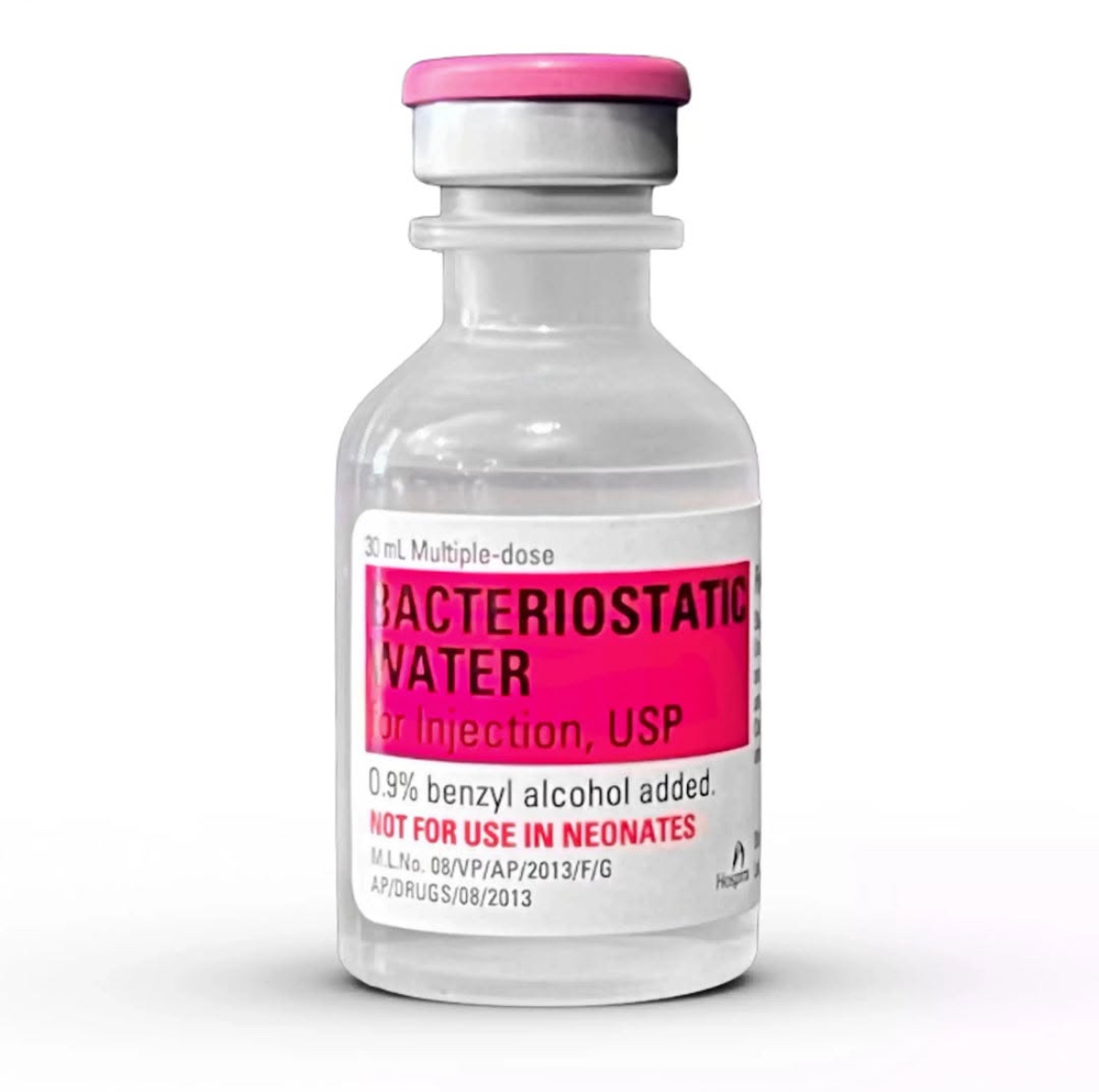
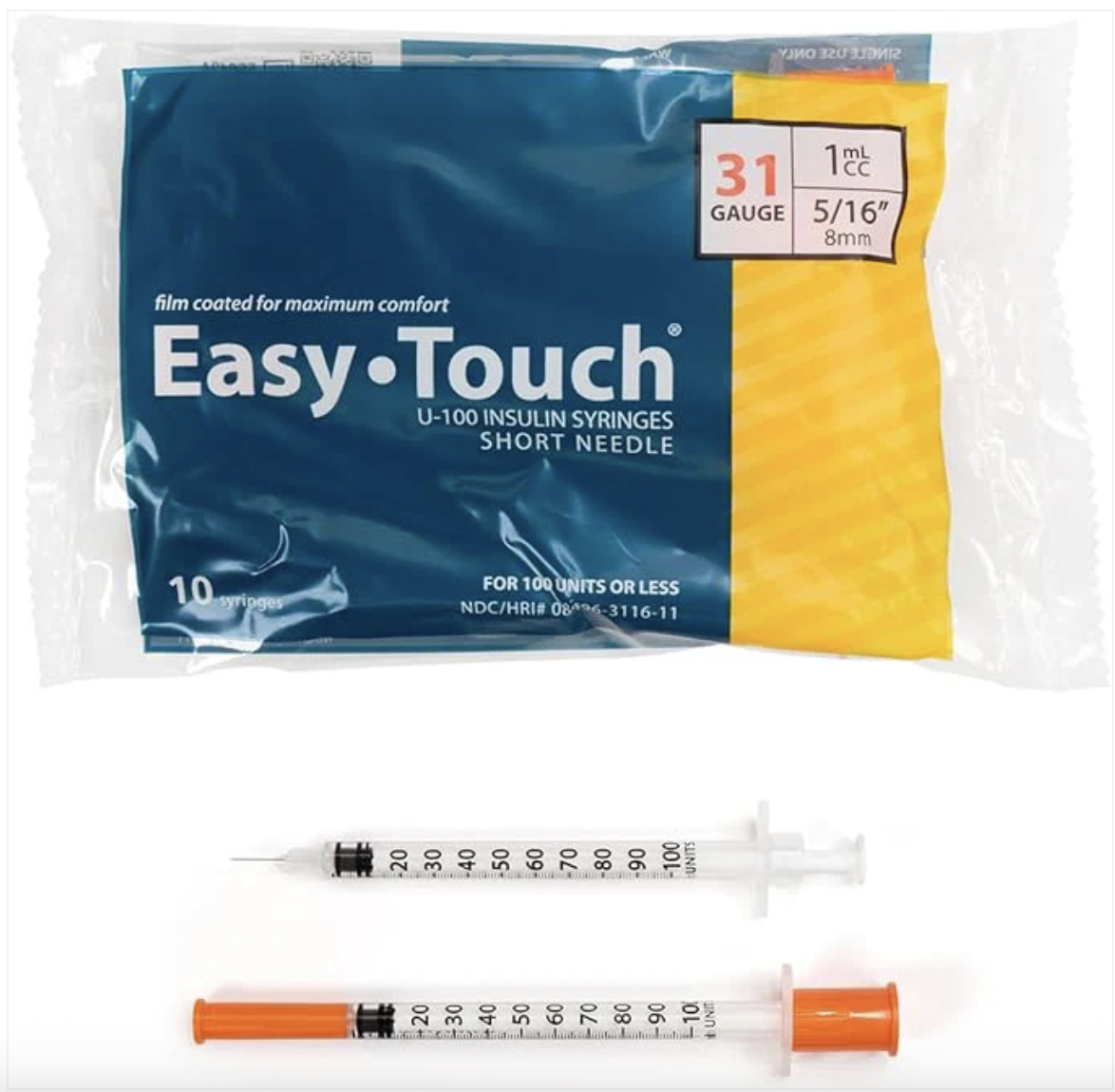
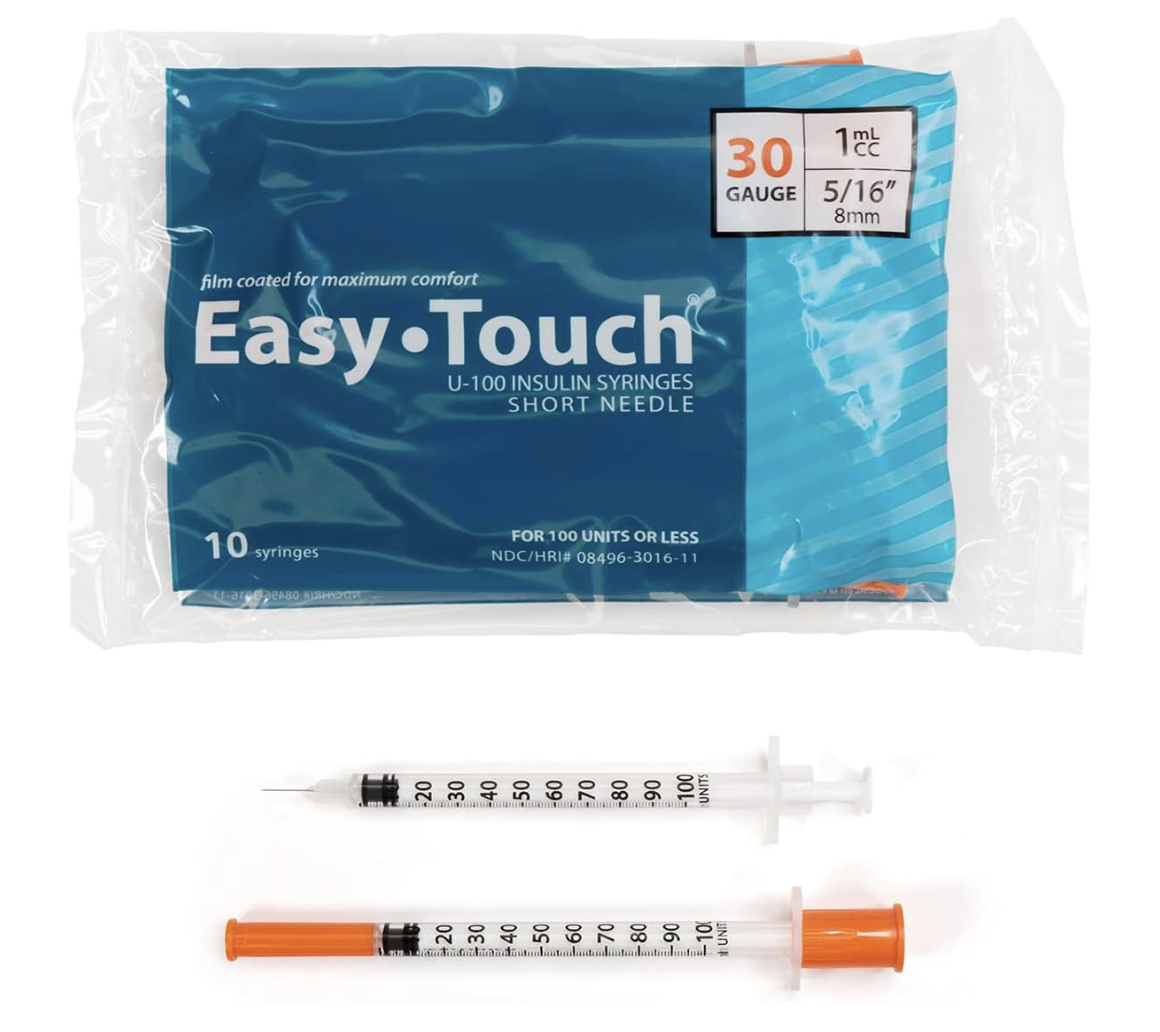
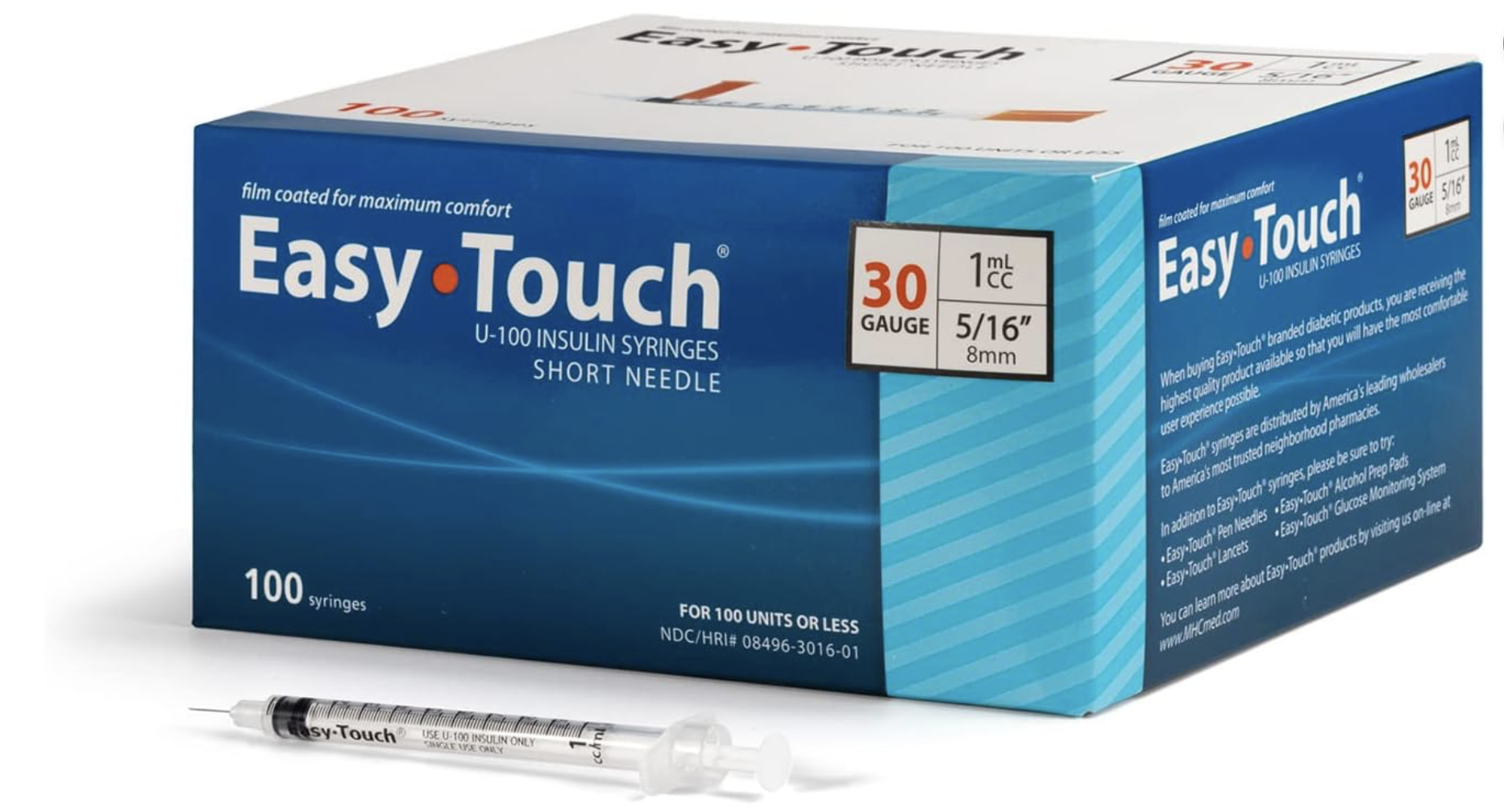
Bacteriostatic Water, Alcohol Pads, and Syringes are not included with orders. Please add them to your cart. If you are only purchasing topical solutions or tablets then these items are not necessary.