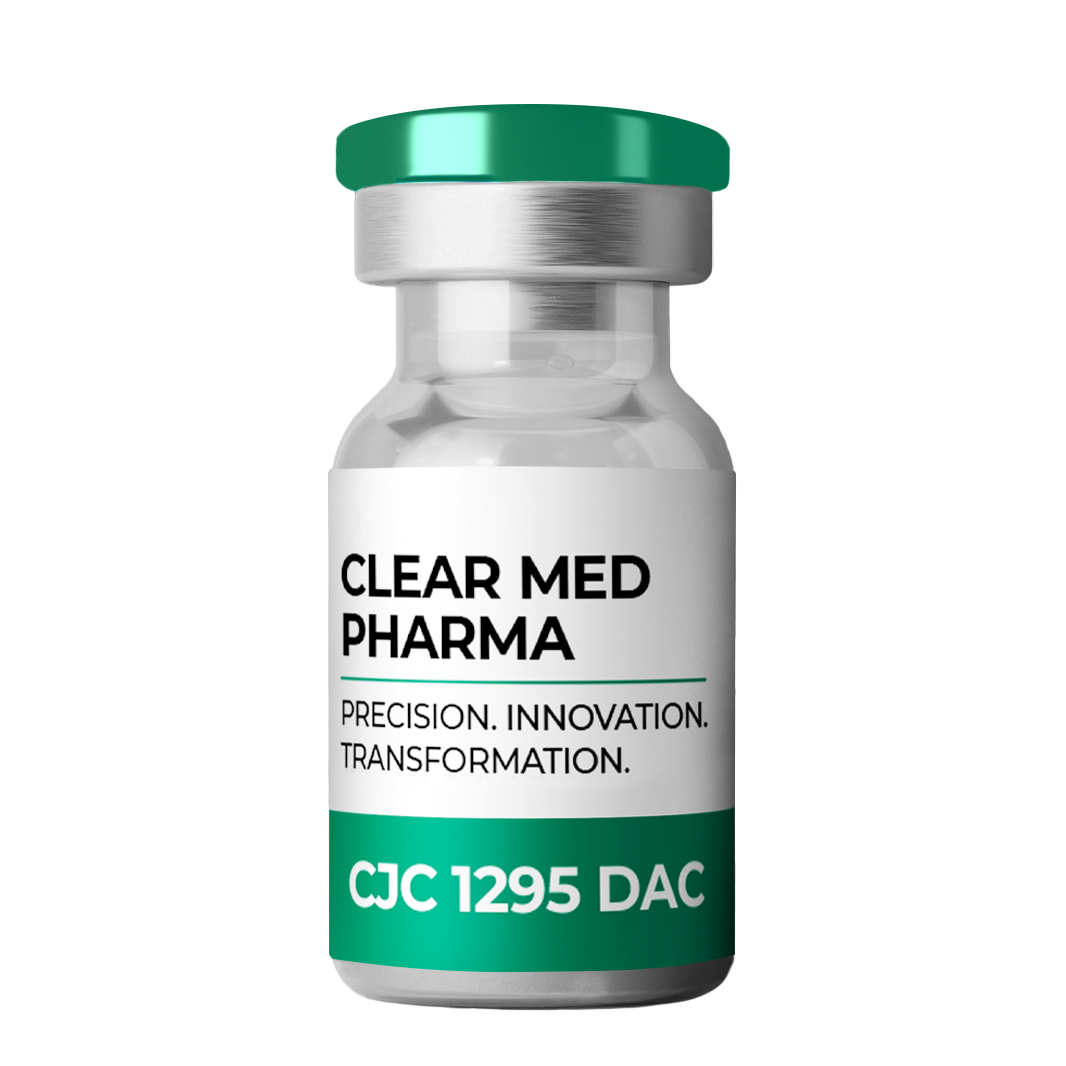
CJC1295 DAC (10mg)
Login to view prices.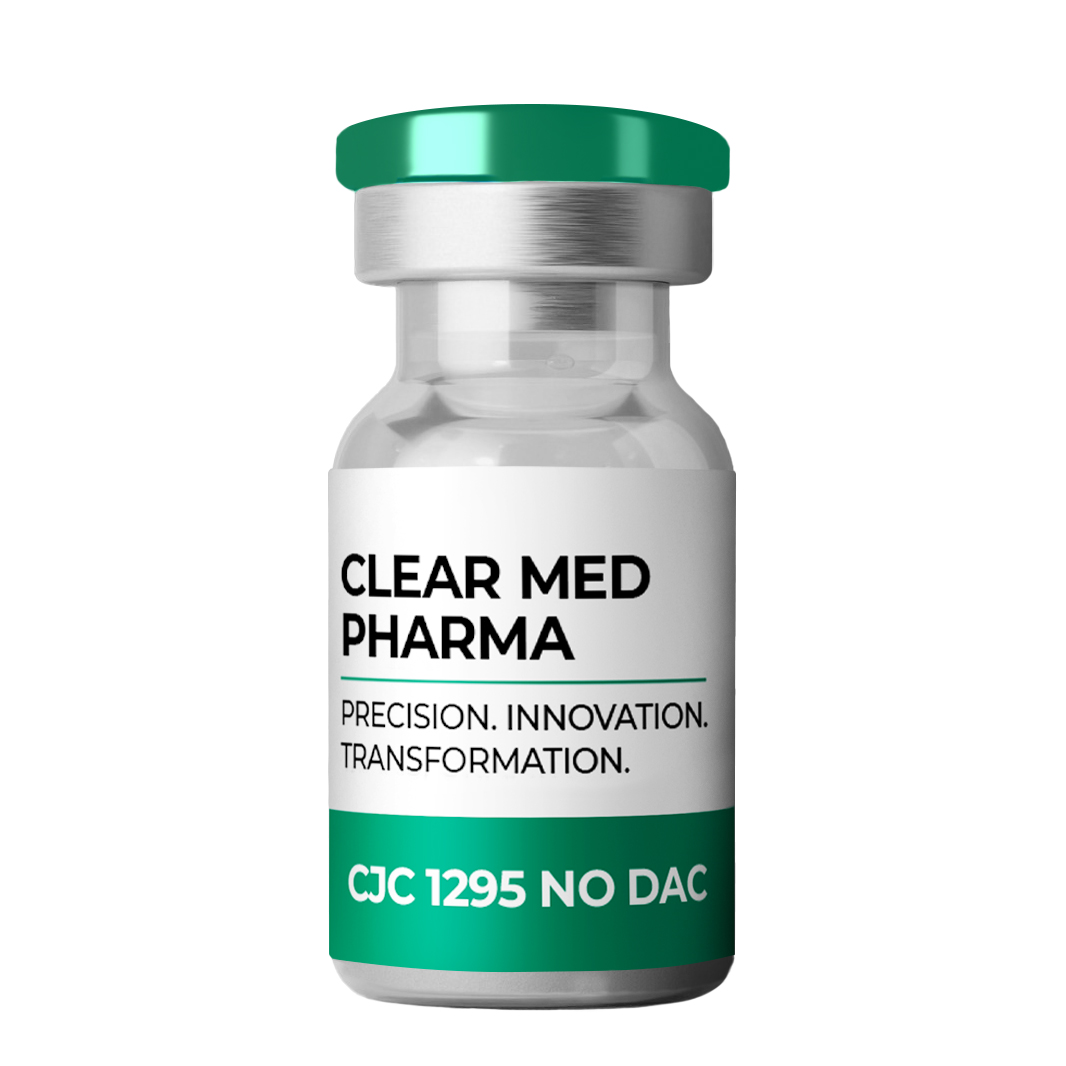
CJC1295 No DAC (10mg)
Login to view prices.
PT-141 (10mg)
Login to view prices.
NAD+ (1000mg) Biofermented
Login to view prices.
Login to view prices.
Existing research has found the following:
Supports Anti-Inflammatory Research – Studied for its potential to modulate inflammatory signaling and reduce cytokine activity in gut and skin tissue.
Explores Gastrointestinal Healing Mechanisms – Investigated for promoting intestinal integrity and supporting recovery in inflammation-related conditions.
Evaluates Skin Repair & Regeneration Pathways – Examined for accelerating epithelial healing and improving recovery from wounds or dermal irritation.
Anti-Inflammatory and Cytokine-Modulation Studies
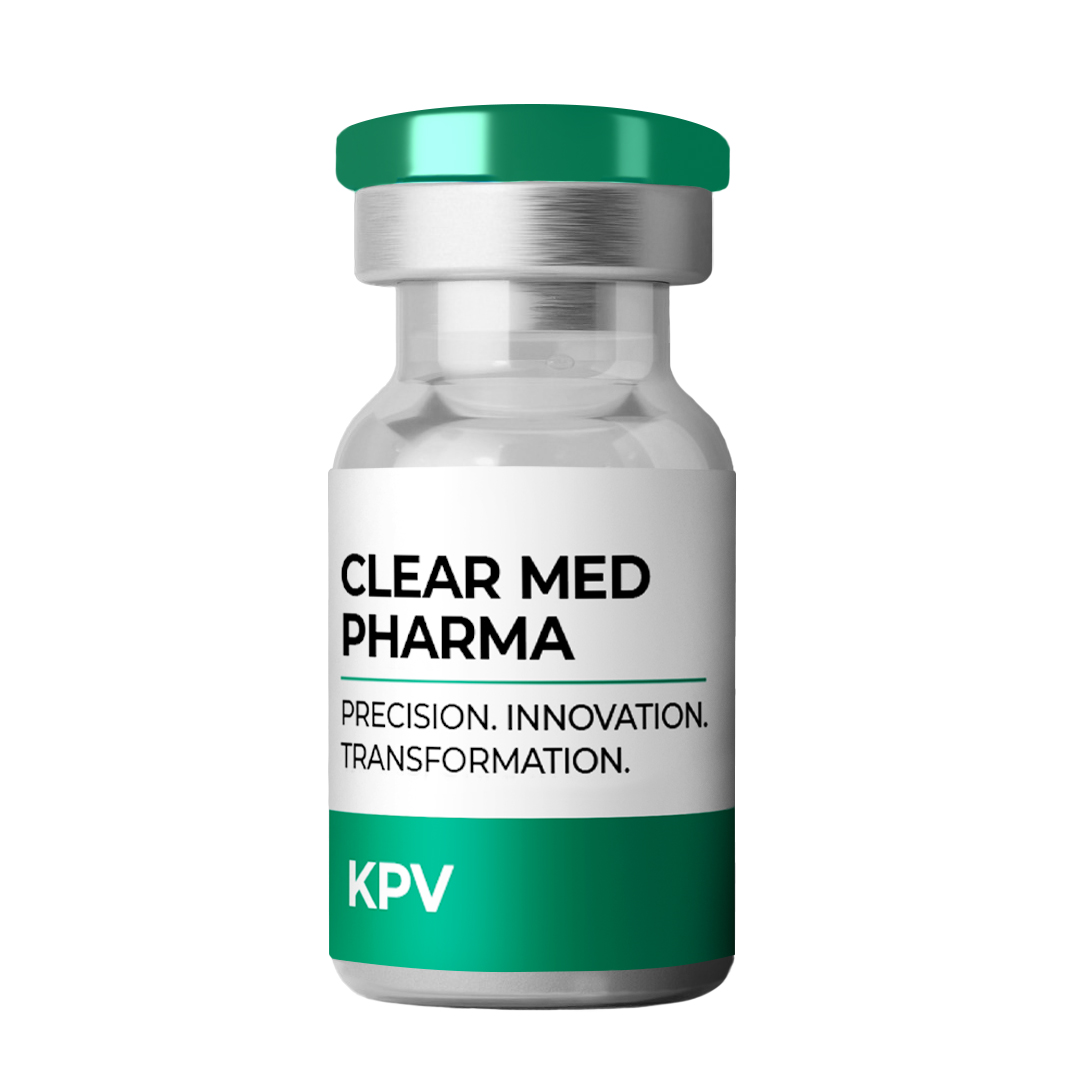
KPV, a naturally occurring tripeptide fragment of α-melanocyte-stimulating hormone (α-MSH), has been studied in pre-clinical and cellular systems for its strong anti-inflammatory activity, particularly through inhibition of pro-inflammatory cytokines such as TNF-α, IL-1β, and IL-6.
Gastrointestinal-Barrier and Gut-Healing Research
In animal and cell-culture models, KPV has been observed to protect intestinal epithelium, modulate immune signaling, and support epithelial regeneration, making it a useful compound for studying inflammatory bowel conditions and gut-mucosal integrity.
Dermal and Wound-Healing Pathway Studies
Pre-clinical literature reports accelerated keratinocyte migration, collagen remodeling, and reduced local inflammation in KPV-treated wound models, supporting its use in tissue-repair and dermatologic-healing research.
Immune-Regulation and Autoimmune Models
Experimental findings suggest that KPV can down-regulate excessive immune responses by modulating melanocortin receptors, providing insight into autoimmune-response control and immune-homeostasis mechanisms.
Digestive and Intestinal-Comfort Models
Laboratory research indicates that KPV may help maintain gastrointestinal permeability and reduce localized gut irritation, offering a basis for studying digestive comfort and microbiome-stability pathways.
Tissue-Regeneration and Recovery Research
KPV has been evaluated in non-clinical systems for its ability to promote fibroblast proliferation and angiogenesis, enabling examination of peptide-mediated tissue-repair and regenerative-signaling cascades.
Antimicrobial and Host-Defense Studies
Pre-clinical data show that KPV exhibits antimicrobial activity against several bacterial species while preserving beneficial microflora, allowing exploration of innate-defense and infection-prevention mechanisms.
Lyophilized KPV peptide is stable at room temperature for 90 days; however, it should NOT be stored below freezing for any extended period. After reconstitution, refrigerate at ≤36°F.
Appearance: Solid, white powder in 3mL glass ampule
Chemical Formula: C16H26N4O4
PubChem CID: (Specify if available)
CAS Number: 67727-97-3
Molecular Weight: 338.41 g/mol
Synonyms: KPV Tripeptide, α-MSH(11-13), 67727-97-3
Storage: Store at ≤6°C, sealed, away from heat, light, and moisture.
Concentration: ≥98%
Research Use Only (RUO). Not for human or animal use. Not for diagnostic, therapeutic, or clinical applications. No claims are made regarding inflammation reduction, gut healing, or antimicrobial effects in humans. End-user assumes responsibility for determining suitability for specific research protocols.

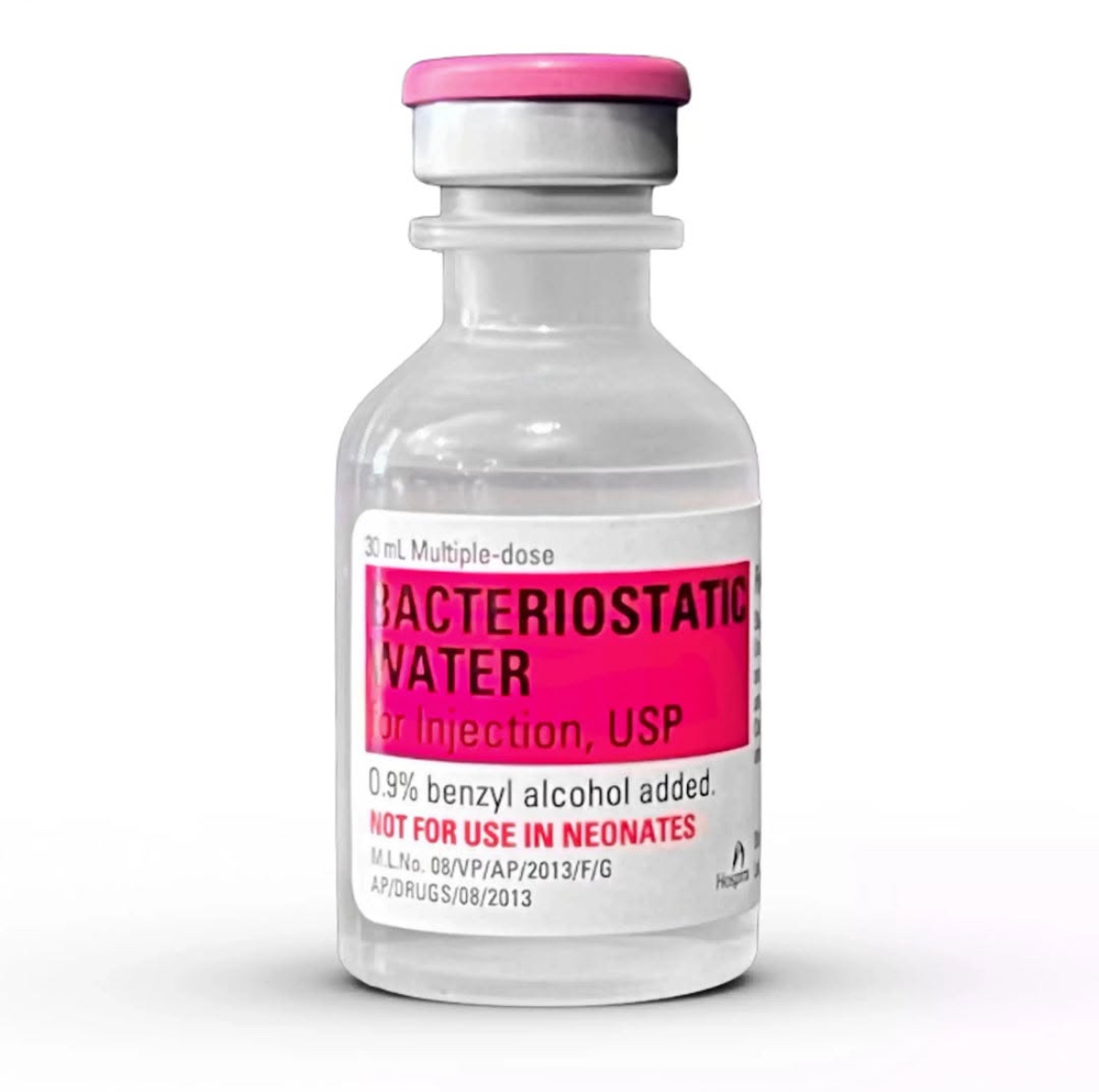
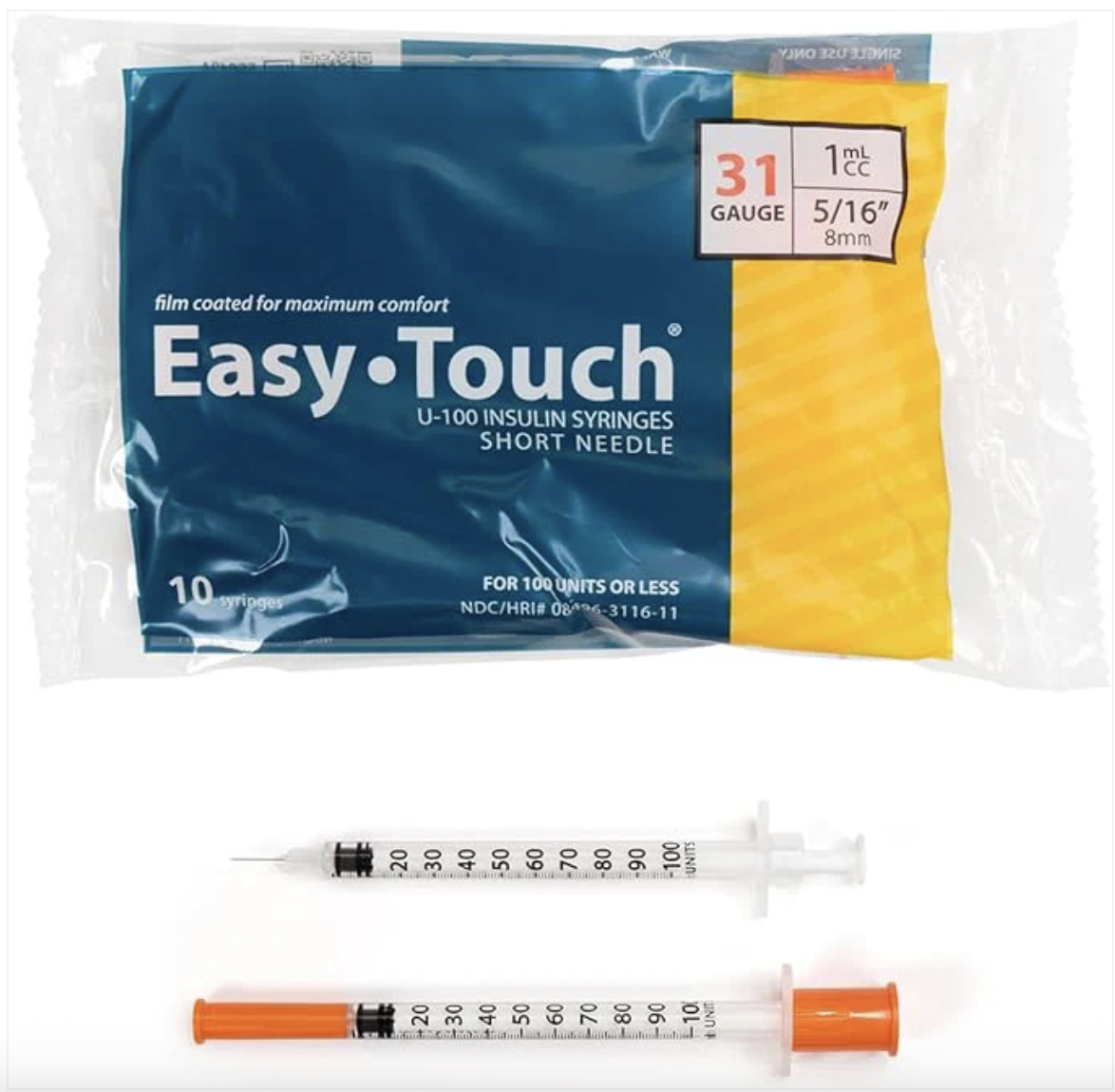
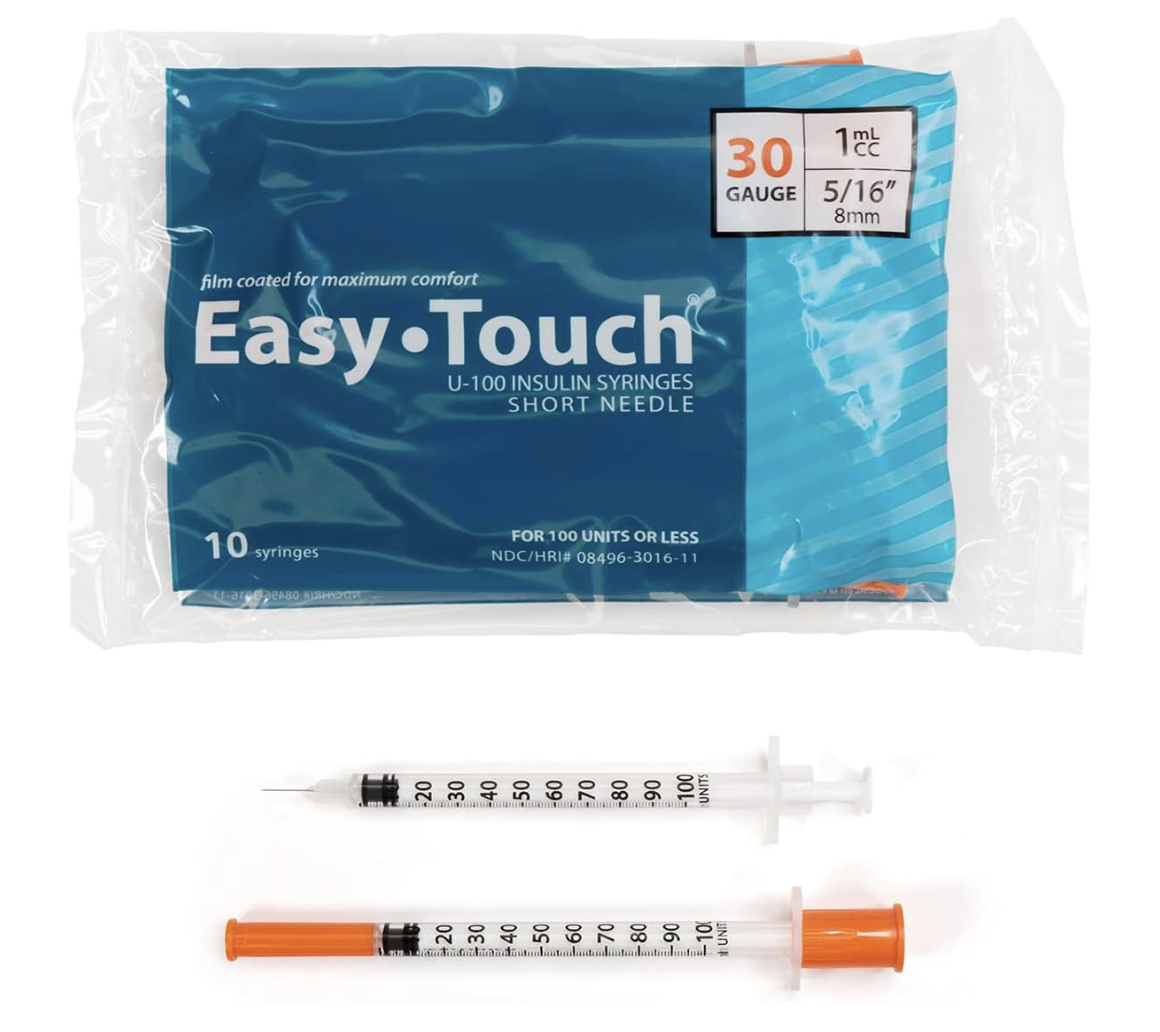
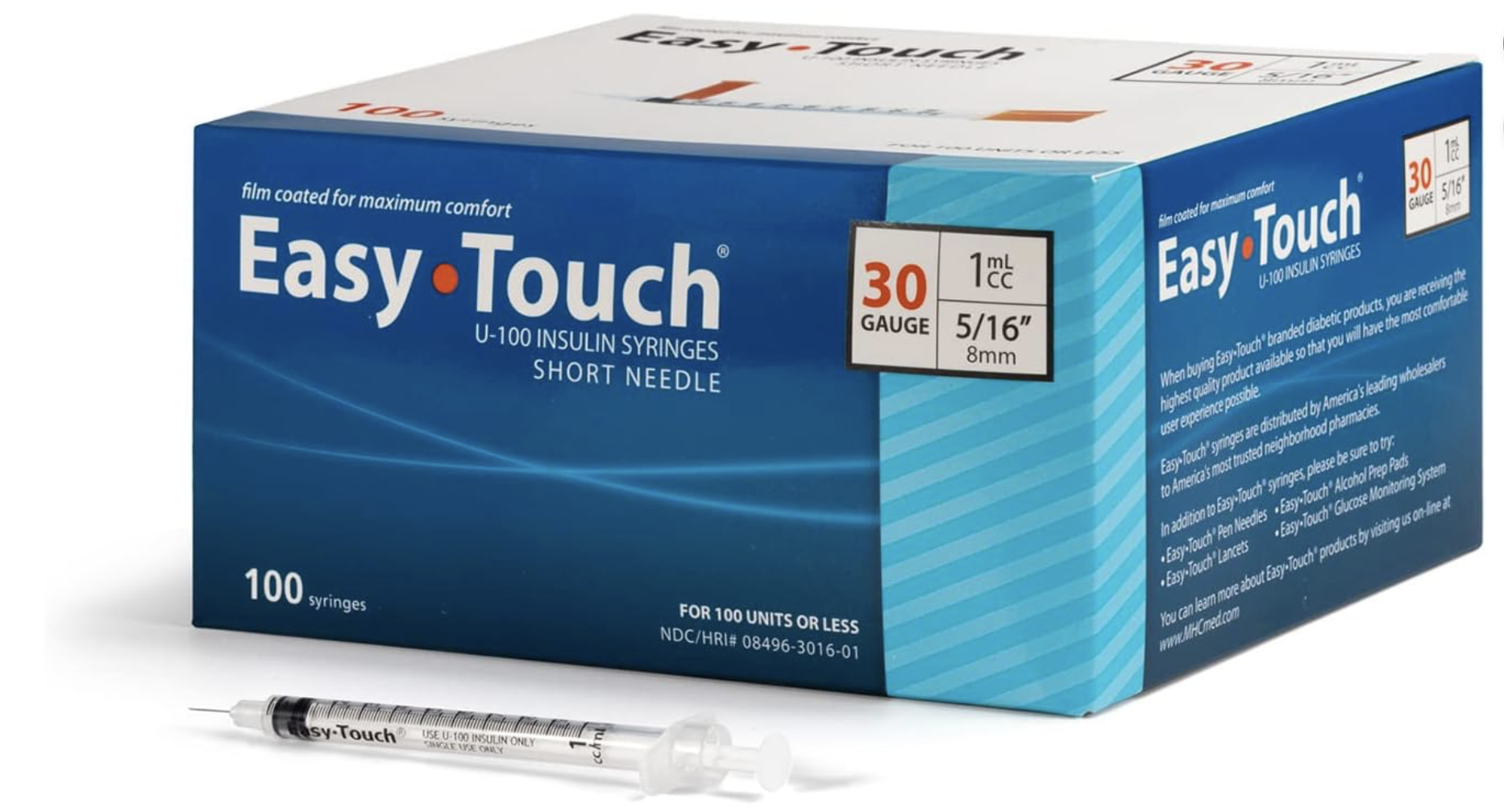
Bacteriostatic Water, Alcohol Pads, and Syringes are not included with orders. Please add them to your cart. If you are only purchasing topical solutions or tablets then these items are not necessary.