Curcumin (600mg)
Login to view prices.
BDNF (Brain-Derived Neurotrophic Factor) (10mg)
Login to view prices.
IGF-1LR3 (1mg)
Login to view prices.
GHK-Cu (100mg)
Login to view prices.
Login to view prices.
Existing research has found the following:
Supports Reproductive Hormone Research – Studied for its role in stimulating gonadotropin-releasing hormone (GnRH) and regulating reproductive signaling.
Explores Fertility & Endocrine Function – Investigated for influencing luteinizing hormone (LH) and follicle-stimulating hormone (FSH) activity in experimental models.
Evaluates Sex Hormone Regulation Mechanisms – Examined for its impact on natural testosterone and estrogen production pathways.
Gonadotropin and Reproductive Axis Regulation
Kisspeptin, a peptide encoded by the KISS1 gene, has been studied in pre-clinical and cell-based systems for its essential role in activating gonadotropin-releasing hormone (GnRH) neurons, forming the foundation for research on reproductive endocrinology and hypothalamic signaling.
Fertility and Reproductive Hormone Studies
In animal models, Kisspeptin administration has been shown to stimulate luteinizing hormone (LH) and follicle-stimulating hormone (FSH) secretion, supporting investigations into the hypothalamic-pituitary-gonadal (HPG) axis and fertility-regulation pathways.
Sex-Hormone Regulation Mechanisms
Experimental findings indicate that Kisspeptin influences downstream production of testosterone and estrogen through modulation of GnRH pulse frequency, providing a model for studying hormonal homeostasis and reproductive physiology.
Neuroendocrine and Behavioral Research
Kisspeptin has been used in non-clinical studies to explore central mechanisms involved in sexual motivation, affect regulation, and emotional-cognitive integration, enabling further understanding of reproductive neurobiology.
Puberty-Onset and Developmental Models
In pre-clinical systems, Kisspeptin signaling is critical for initiating puberty through hypothalamic activation and gonadotropin release, making it a useful compound for studying developmental endocrinology and maturation timing.
Mood and Cognitive-Function Research
Laboratory studies indicate that Kisspeptin interacts with limbic brain regions, offering a framework for examining its role in mood regulation, cognition, and neural signaling.
Metabolic and Energy-Homeostasis Studies
In metabolic-research models, Kisspeptin has been linked to appetite regulation and energy-expenditure pathways, providing insight into the intersection of reproduction and metabolic control.
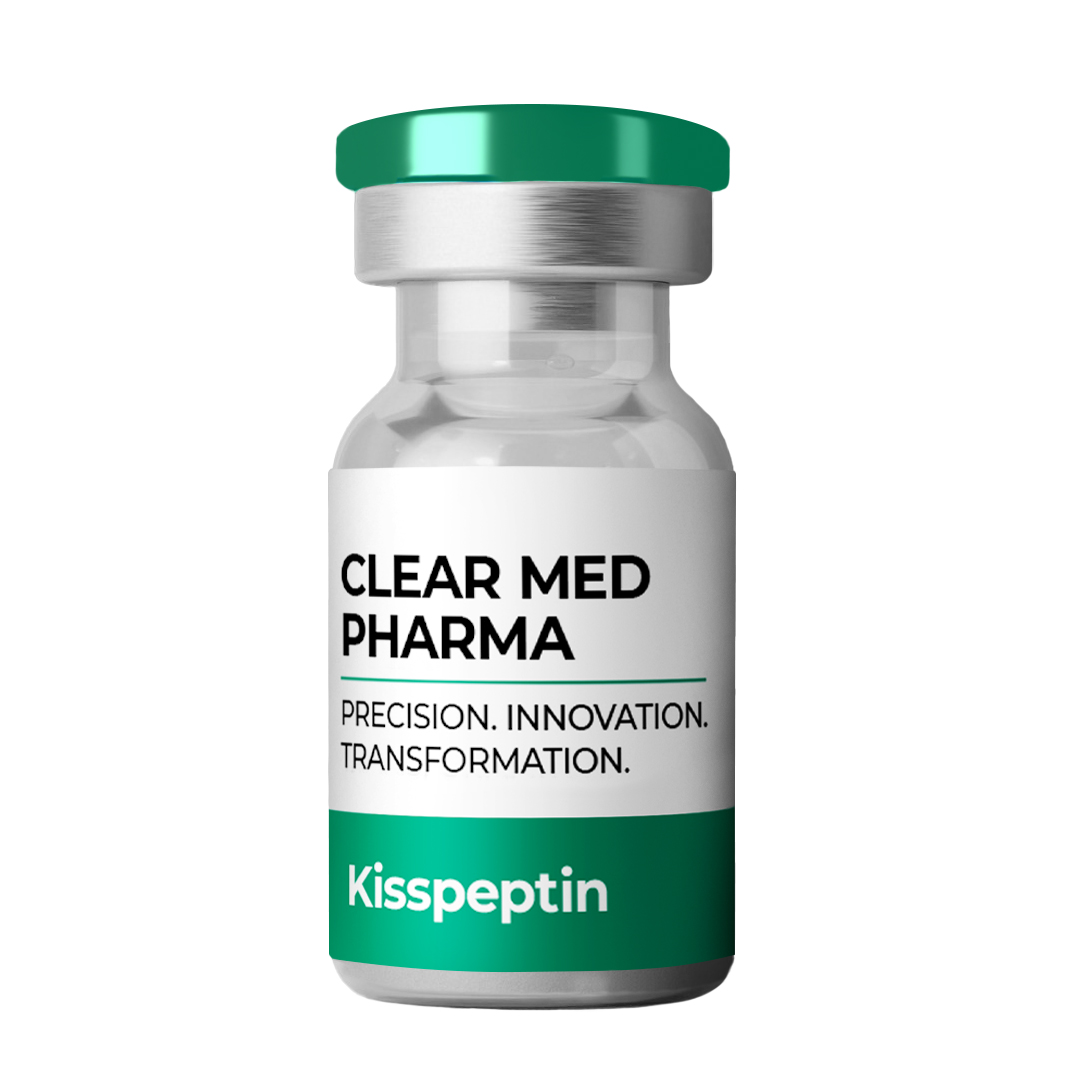
Lyophilized Kisspeptin peptide is stable at room temperature for 90 days; however, it should NOT be stored below freezing for any extended period. After reconstitution, refrigerate at ≤36°F.
Appearance: Solid, white powder in 3mL glass ampule
Chemical Formula: C63H83N17O14
PubChem CID: (Specify if available)
CAS Number: 374822-39-2
Molecular Weight: 1302.46 g/mol
Synonyms: Metastin, Kisspeptin-10, Kiss1, 374822-39-2
Storage: Store at ≤6°C, sealed, away from heat, light, and moisture.
Concentration: ≥98%
Research Use Only (RUO). Not for human or animal use. Not for diagnostic, therapeutic, or clinical applications. No claims are made regarding fertility, libido, or hormonal enhancement in humans. End-user assumes responsibility for determining suitability for specific research protocols.

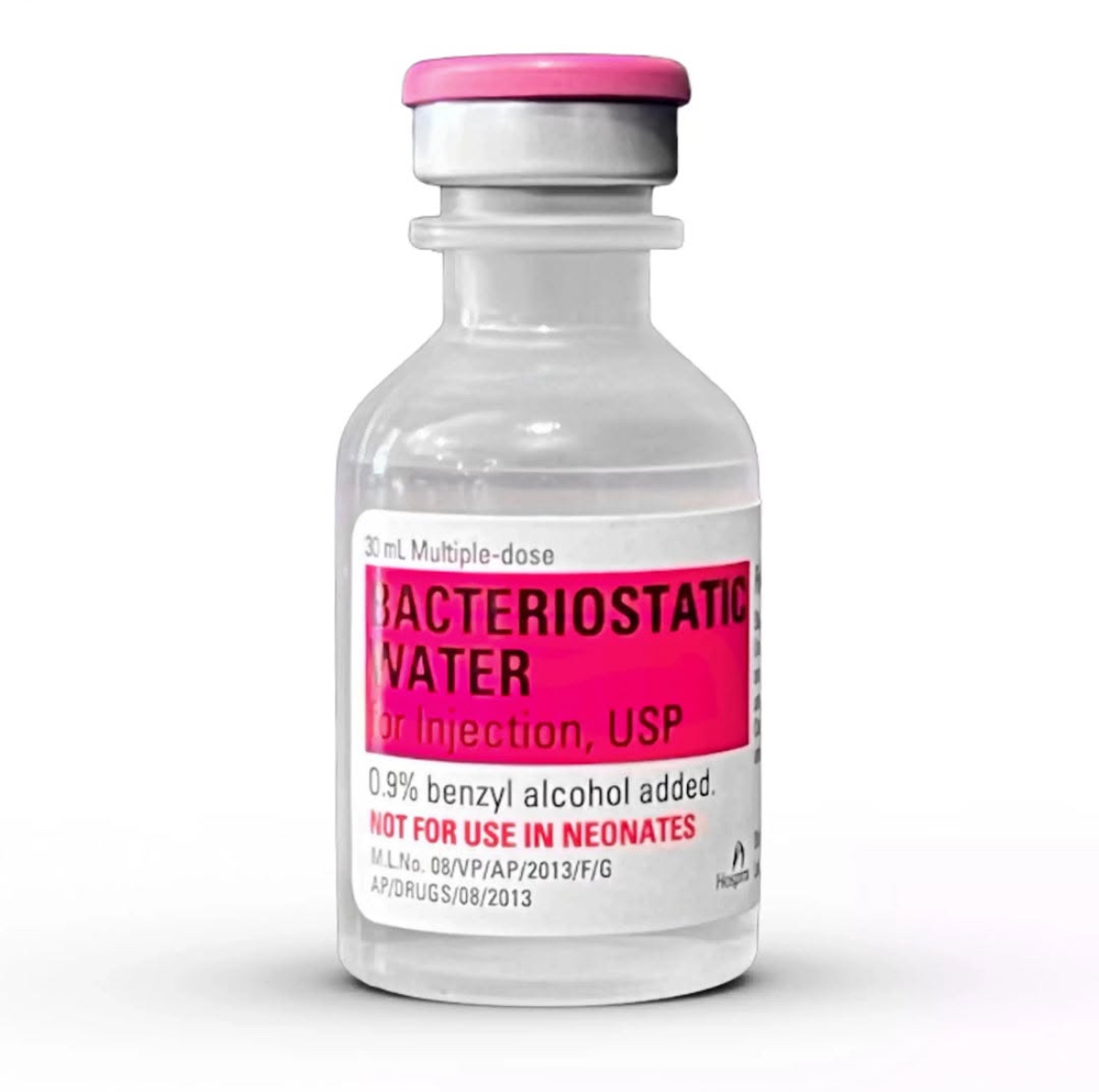
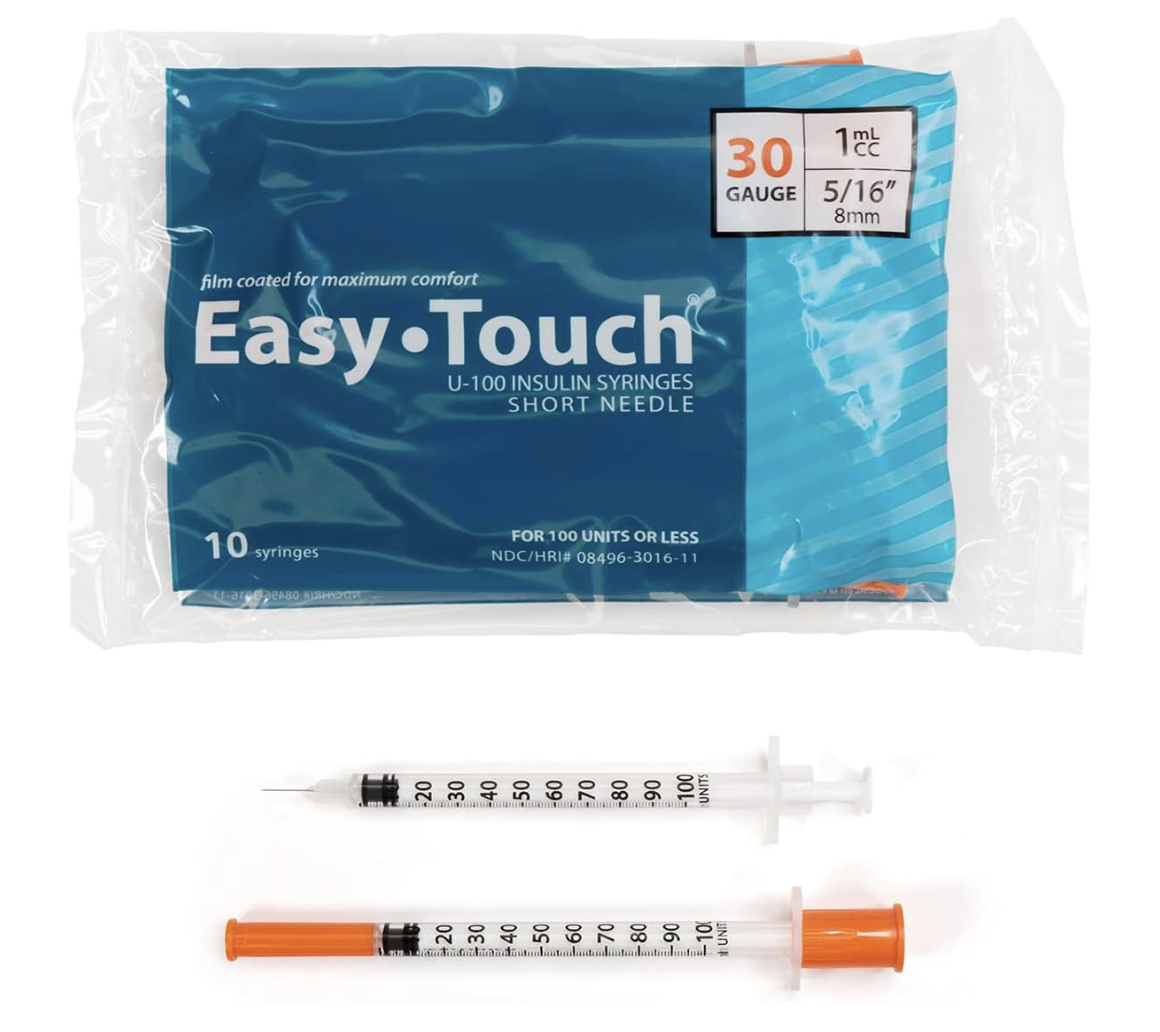
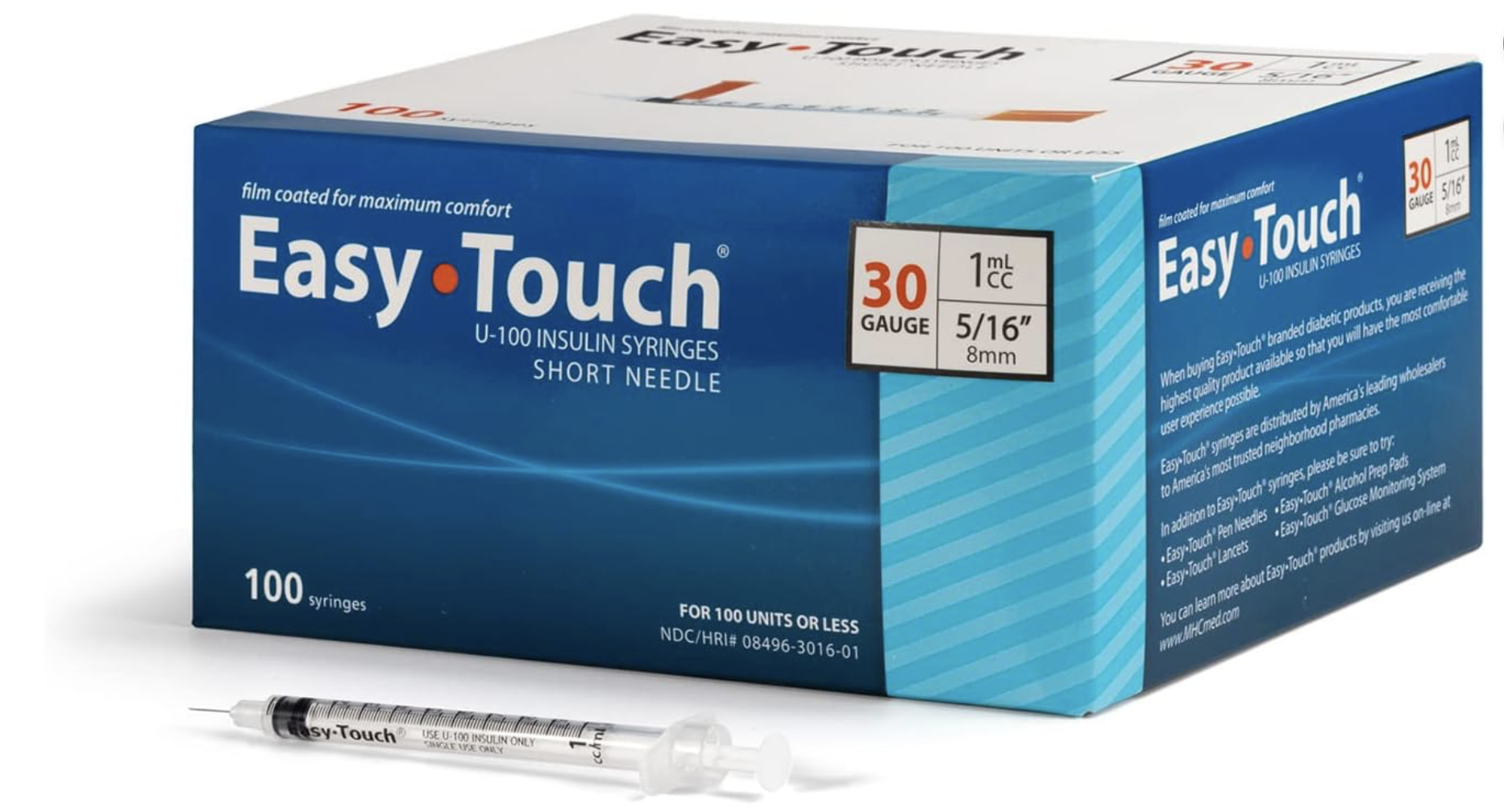
Bacteriostatic Water, Alcohol Pads, and Syringes are not included with orders. Please add them to your cart. If you are only purchasing topical solutions or tablets then these items are not necessary.