BDNF (Brain-Derived Neurotrophic Factor) (10mg)
Login to view prices.
Semax (30mg)
Login to view prices.
IGF-1LR3 (1mg)
Login to view prices.
Epithalon (50mg)
Login to view prices.
Login to view prices.
Existing research has found the following:
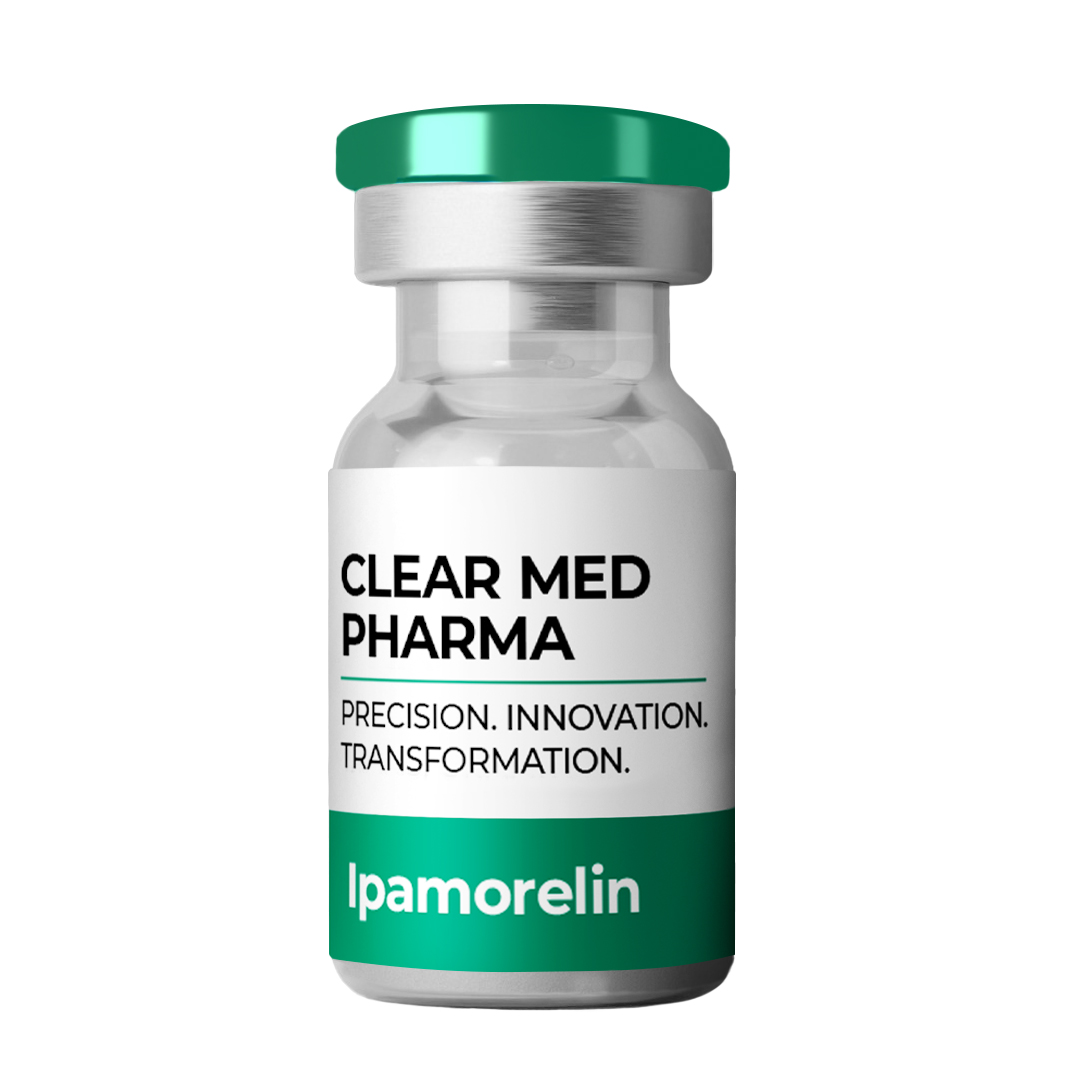
Supports Growth Hormone Secretagogue Research – Studied for its potential to stimulate endogenous GH release through selective ghrelin receptor activation.
Explores Muscle Growth & Recovery Mechanisms – Investigated for promoting lean tissue development and enhancing post-exertion repair.
Evaluates Metabolic & Lipolytic Effects – Examined for its influence on fat metabolism and energy balance in research settings.
Growth Hormone Secretagogue Activity
Ipamorelin is a selective ghrelin-receptor agonist (GHSR-1a) that has been studied in pre-clinical and cell-basedsystems for its ability to stimulate pituitary growth hormone (GH) release via physiological, non-androgenic pathways.
Muscle-Growth and Recovery Research
In animal models, Ipamorelin has been shown to promote myogenic signaling, muscle-fiber regeneration, and protein synthesis following tissue injury or mechanical overload, supporting its use in studies of muscle recovery and adaptation.
Adipose and Metabolic Function Studies
Experimental data indicate that Ipamorelin may influence lipid oxidation and metabolic-rate pathways through GH-mediated mechanisms, allowing researchers to examine its potential role in fat-mobilization and metabolic-efficiency models.
Cellular Repair and Regeneration Models
GH-axis activation by Ipamorelin has been associated with increased fibroblast proliferation and collagen synthesis in in-vitro systems, providing a platform for tissue-repair and wound-healing research.
Sleep and Neuroendocrine Function Research
Pre-clinical studies suggest that Ipamorelin can enhance pulsatile GH release during sleep cycles without significant cortisol elevation, making it useful for investigating neuroendocrine feedback and circadian-hormone modulation.
Joint, Tendon, and Ligament Studies
Laboratory evidence supports Ipamorelin’s inclusion in studies of connective-tissue regeneration, where growth-factor–mediated repair and vascularization are key parameters.
Energy, Vitality, and Recovery Mechanisms
Non-clinical findings indicate improved cellular energy metabolism and recovery markers in GH-stimulated models, making Ipamorelin applicable for exploring fatigue, resilience, and post-exertion recovery processes.
Lyophilized Ipamorelin peptide is stable at room temperature for 90 days; however, it should NOT be stored below freezing for any extended period. After reconstitution, refrigerate at ≤36°F.
Appearance: Solid, white powder in 3mL glass ampule
Chemical Formula: C38H49N9O5
PubChem CID: (Specify if available)
CAS Number: 170851-70-4
Molecular Weight: 711.86 g/mol
Synonyms: Ipamorelin Acetate, 170851-70-4
Storage: Store at ≤6°C, sealed, away from heat, light, and moisture.
Concentration: ≥98%
Research Use Only (RUO). Not for human or animal use. Not for diagnostic, therapeutic, or clinical applications. No claims are made regarding growth hormone stimulation, fat loss, or recovery enhancement in humans. End-user assumes responsibility for determining suitability for specific research protocols.

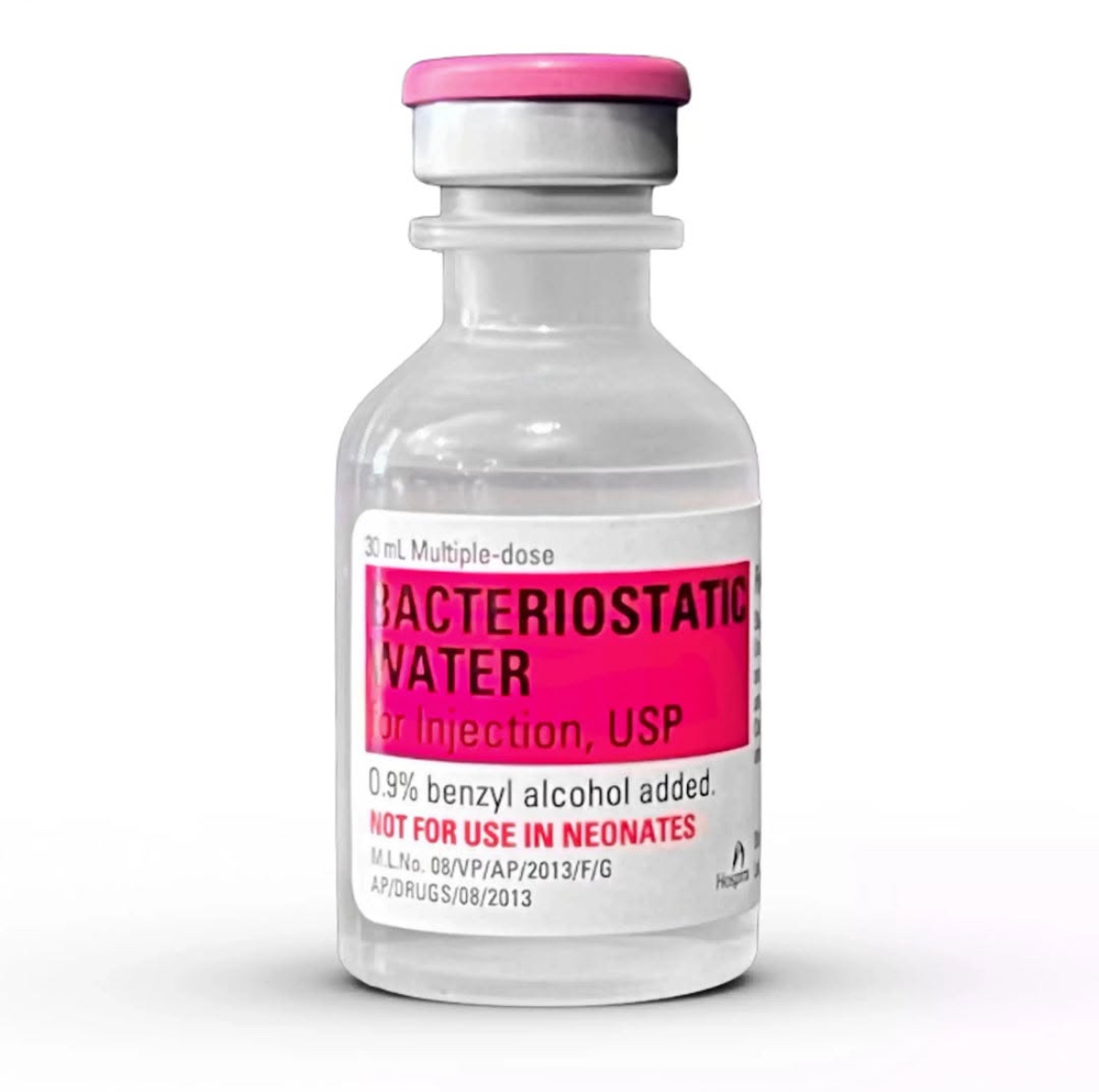
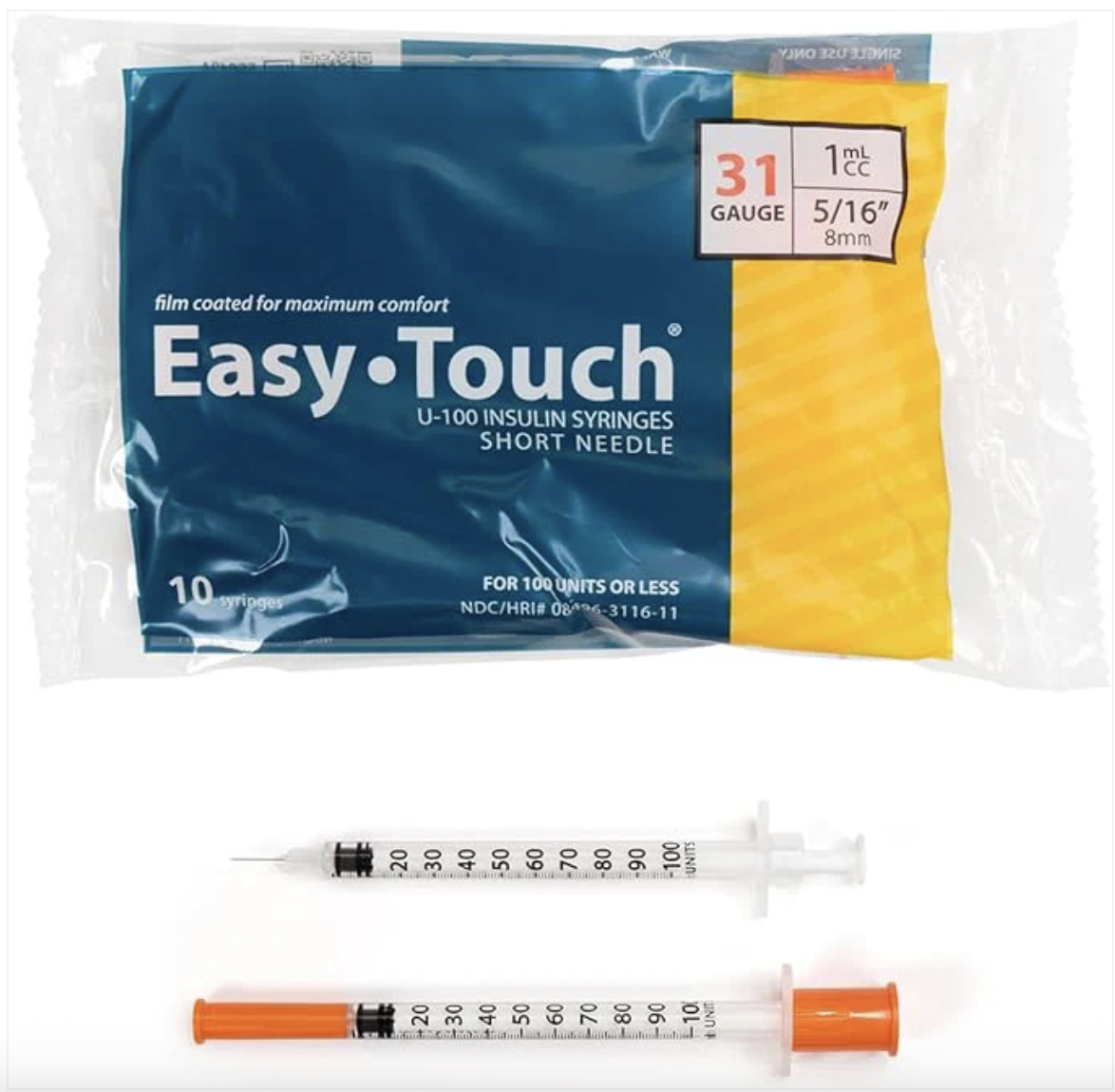
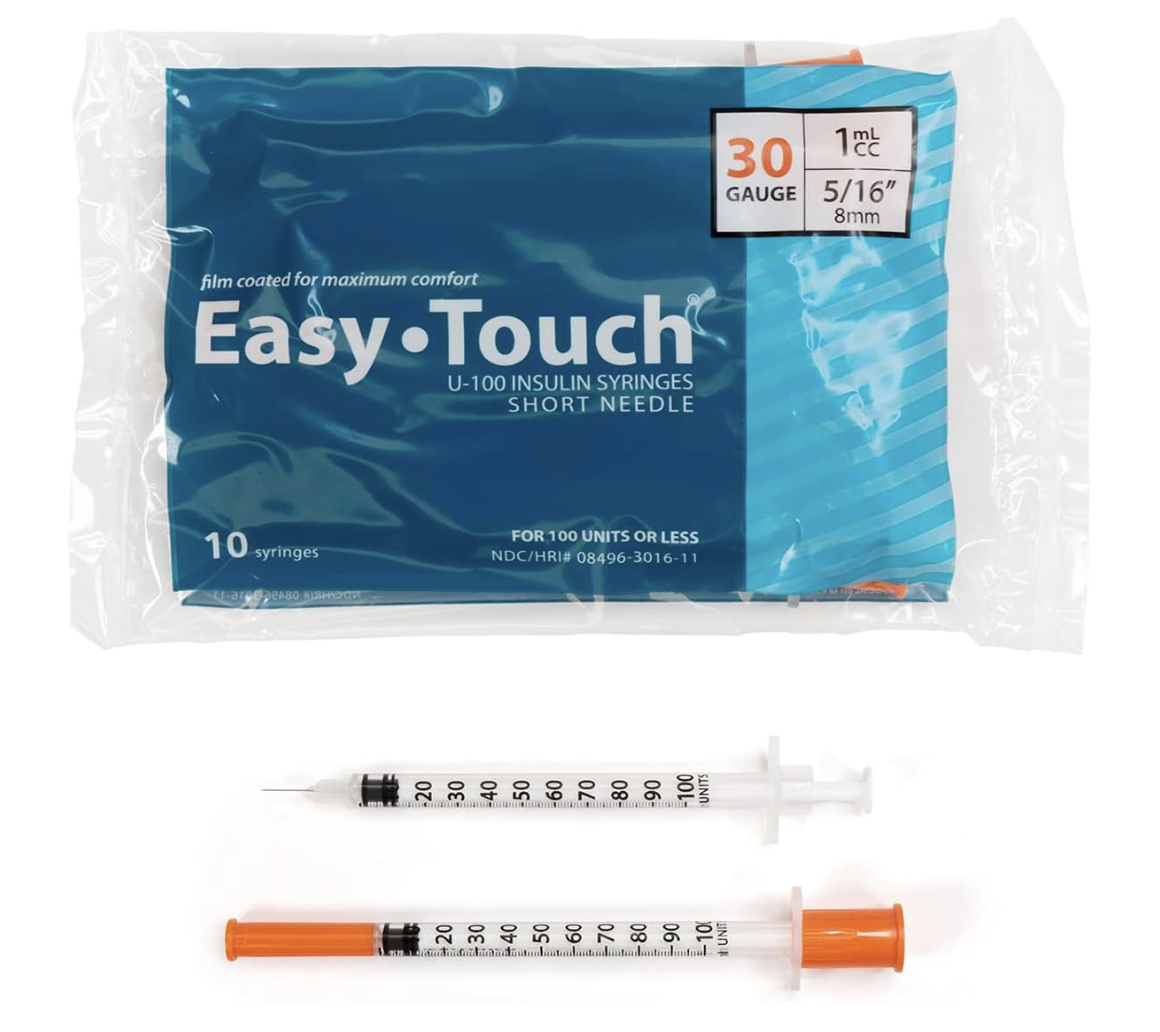
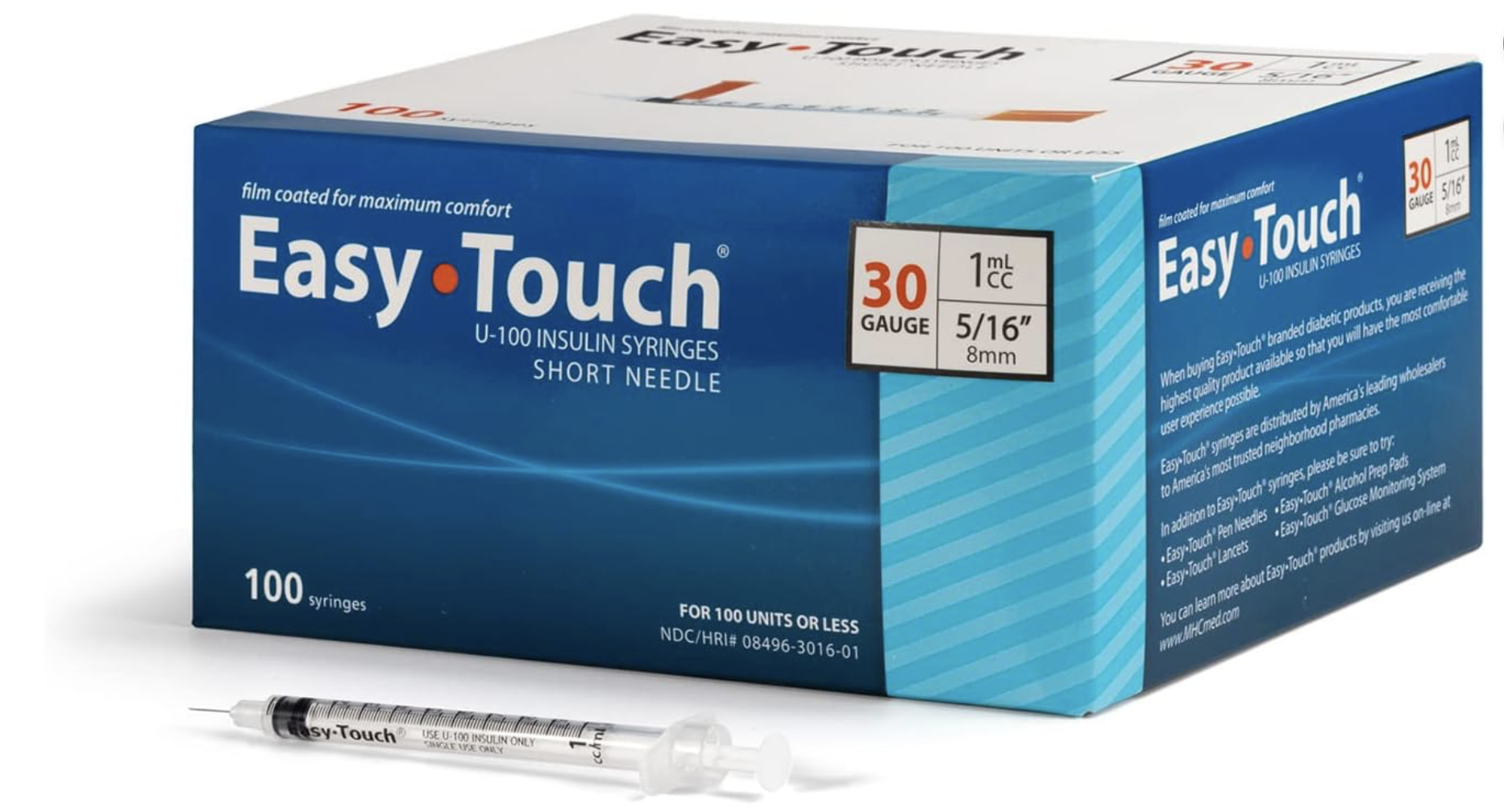
Bacteriostatic Water, Alcohol Pads, and Syringes are not included with orders. Please add them to your cart. If you are only purchasing topical solutions or tablets then these items are not necessary.