BDNF (Brain-Derived Neurotrophic Factor) (10mg)
Login to view prices.
Tesamorelin (10mg)
Login to view prices.
SLU-PP-332 (5mg)
Login to view prices.
Melanotan 2 (10mg)
Login to view prices.
Login to view prices.
Existing research has found the following:
Supports Muscle Growth & Regeneration Research – Studied for its potential to stimulate myoblast proliferation, differentiation, and tissue repair.
Explores Metabolic & Lipolytic Pathways – Investigated for enhancing fat metabolism while maintaining lean muscle mass in experimental models.
Evaluates Strength, Recovery, & Performance Mechanisms – Examined for improving cellular repair, endurance, and anabolic activity following exertion.
Cellular-Growth and Muscle-Development Studies
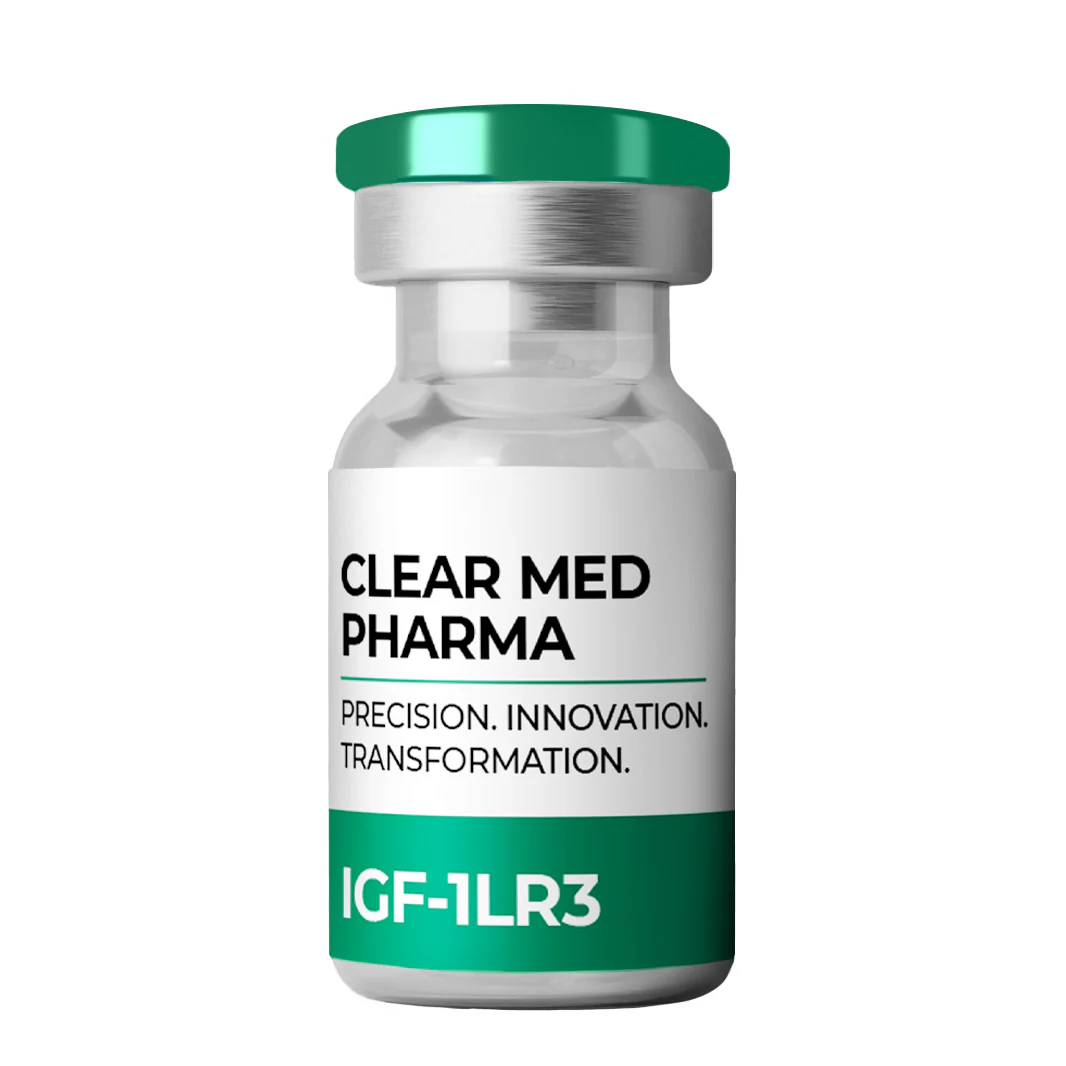
IGF-1 LR3 (Long Arg3 Insulin-Like Growth Factor-1) is a recombinant peptide analog studied in cellular and pre-clinical systems for its ability to stimulate myoblast proliferation and differentiation. It is used to investigate anabolic pathways involved in muscle hypertrophy and tissue regeneration.
Fat-Metabolism and Energy-Balance Research
In animal models, IGF-1 LR3 has been shown to modulate lipid oxidation and energy utilization, supporting studies on metabolic regulation and body-composition dynamics.
Tissue-Repair and Recovery Models
Laboratory data indicate that IGF-1 LR3 enhances fibroblast and satellite-cell activation, accelerating repair of muscle, tendon, and connective tissue, making it suitable for wound-healing and regenerative-biology studies.
Strength, Performance, and Endurance Research
Pre-clinical evidence suggests IGF-1 LR3 can increase muscle-fiber density and contractile strength through enhanced protein synthesis, aiding research into performance physiology and neuromuscular efficiency.
Cellular-Regeneration and Longevity Studies
IGF-1 signaling has been associated with cellular renewal, mitochondrial function, and DNA-repair mechanisms. IGF-1 LR3’s prolonged bioactivity allows sustained observation of these pathways in aging and regenerative models.
Bone-Density and Joint-Health Investigations
In in-vitro and animal studies, IGF-1 LR3 promotes osteoblast differentiation and cartilage formation, providing a model for skeletal-system development and bone-mineralization research.
Metabolic and Insulin-Sensitivity Studies
Research demonstrates IGF-1 LR3’s ability to enhance glucose uptake and insulin sensitivity in cultured cells, supporting its role in studies of carbohydrate metabolism and energy homeostasis.
Pharmacokinetic and Stability Studies
The substitution of arginine for glutamic acid at position 3 and the extended N-terminal sequence confer a longer half-life compared to native IGF-1, making IGF-1 LR3 a valuable tool for sustained signaling and receptor-kinetic research.
Concentration: ≥98%
Research Use Only (RUO). Not for human or animal use. Not for diagnostic, therapeutic, or clinical applications. No claims are made regarding muscle growth, fat loss, or performance enhancement in humans. End-user assumes responsibility for determining suitability for specific research protocols.

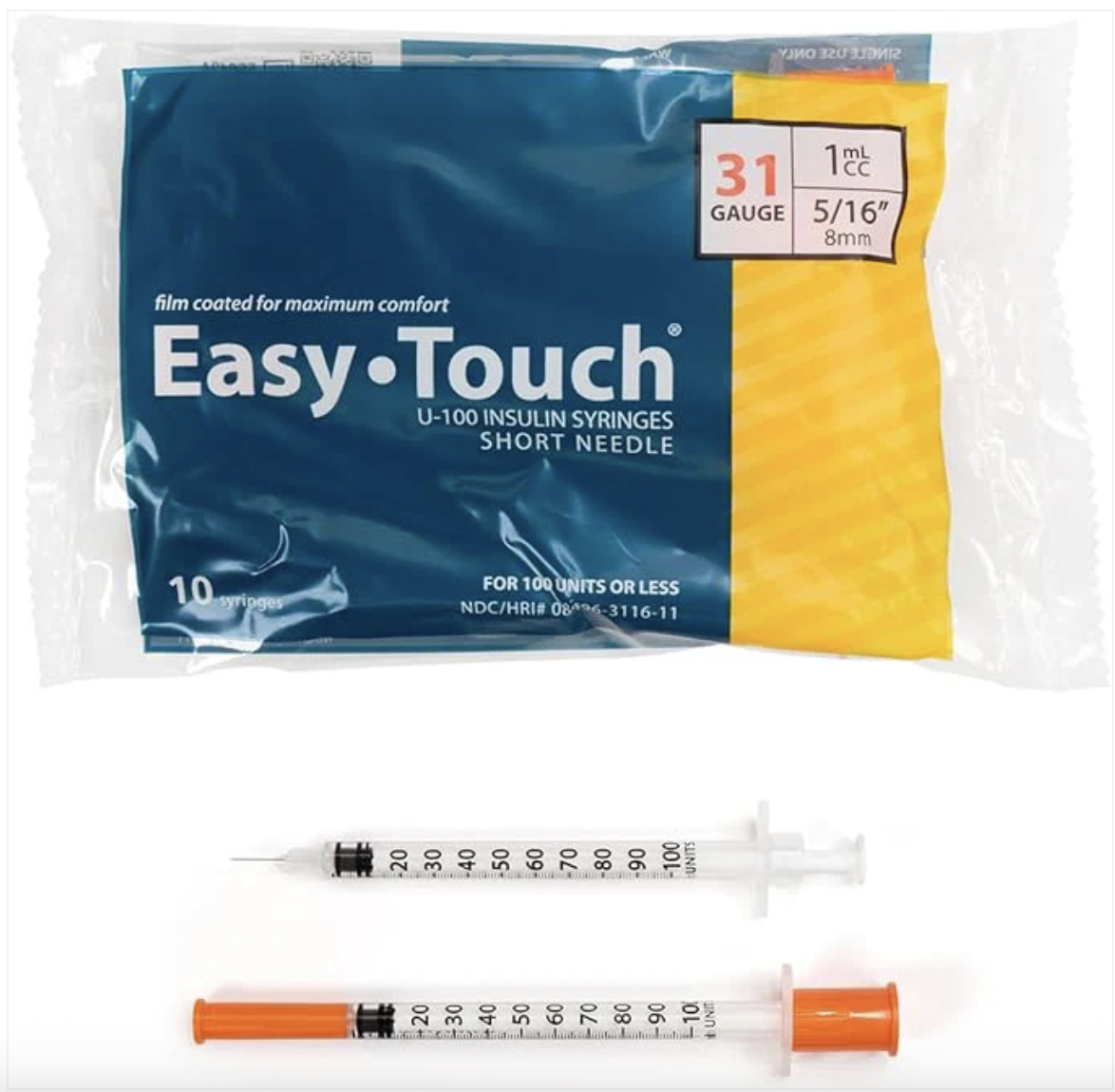
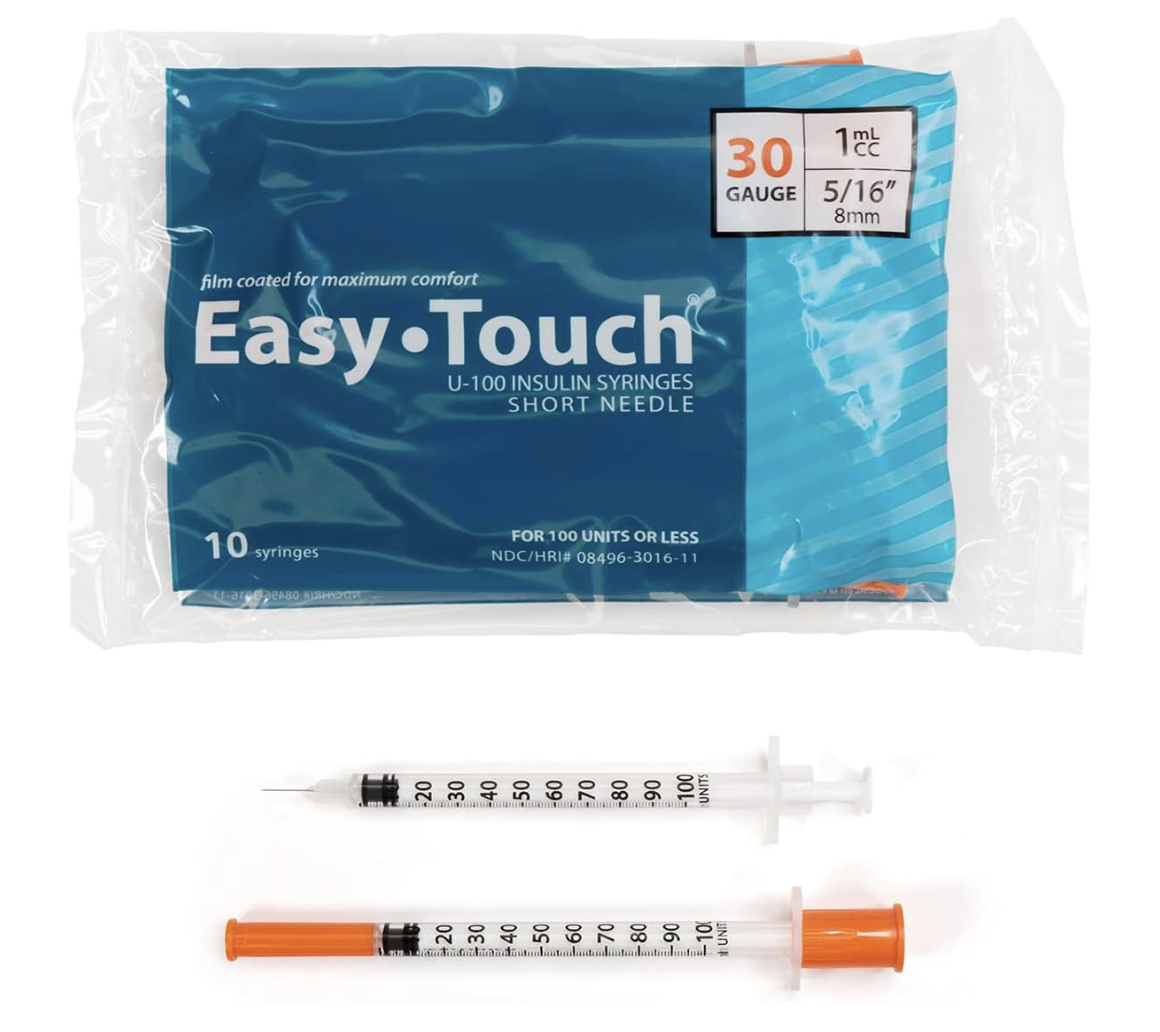
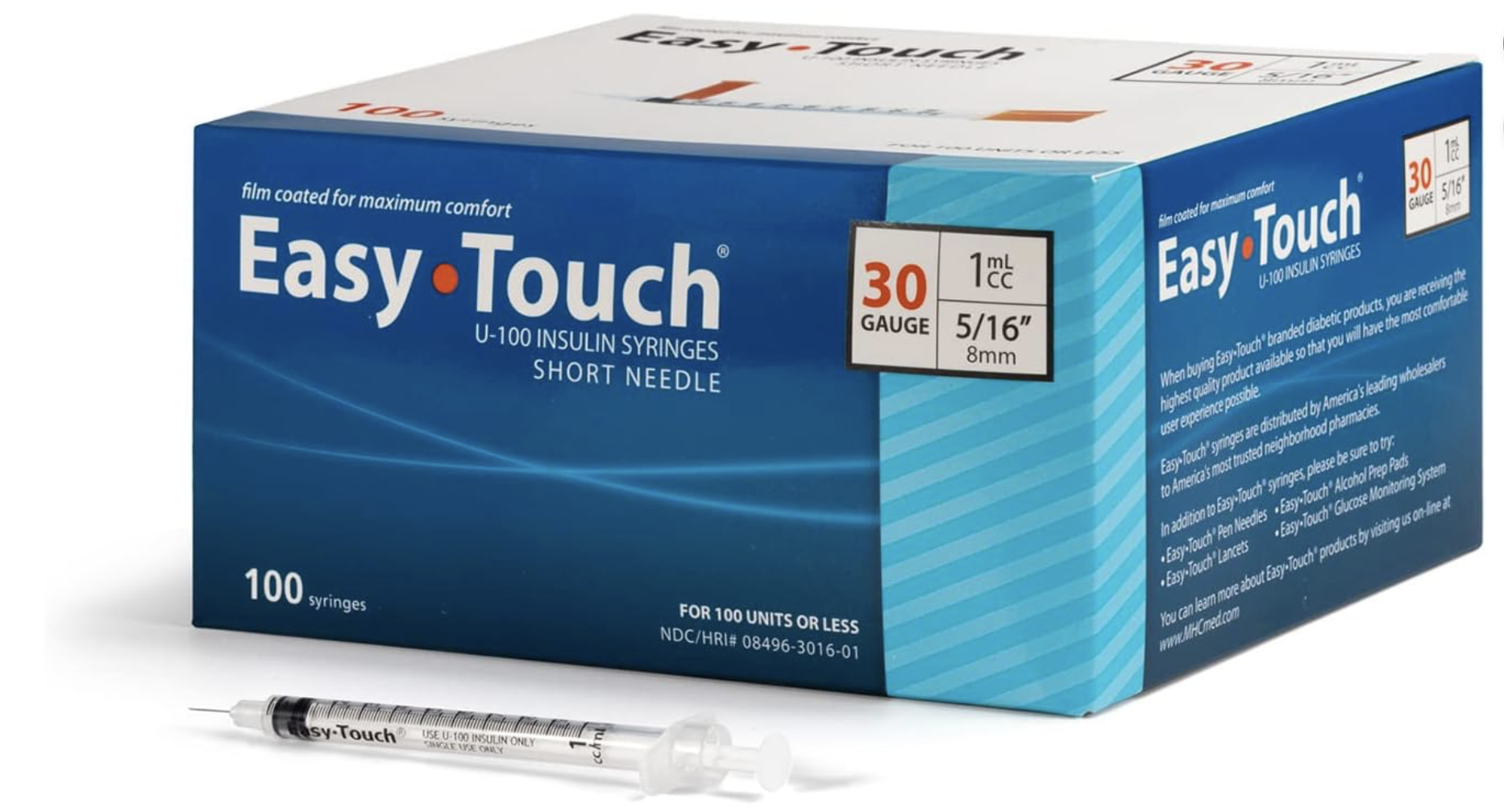
Bacteriostatic Water, Alcohol Pads, and Syringes are not included with orders. Please add them to your cart. If you are only purchasing topical solutions or tablets then these items are not necessary.