DSIP (5mg)
Login to view prices.
Curcumin (600mg)
Login to view prices.
CJC1295 No DAC (10mg)
Login to view prices.
NAD+ (1000mg) Biofermented
Login to view prices.
Login to view prices.
Existing research has found the following:
Supports Endocrine & Reproductive Research – Studied for its ability to stimulate luteinizing hormone (LH)-like activity and regulate reproductive hormone signaling.
Explores Fertility & Gonadal Function Pathways – Investigated for promoting spermatogenesis in males and inducing ovulation in females in experimental models.
Endocrine and Gonadotropin-Signaling Research
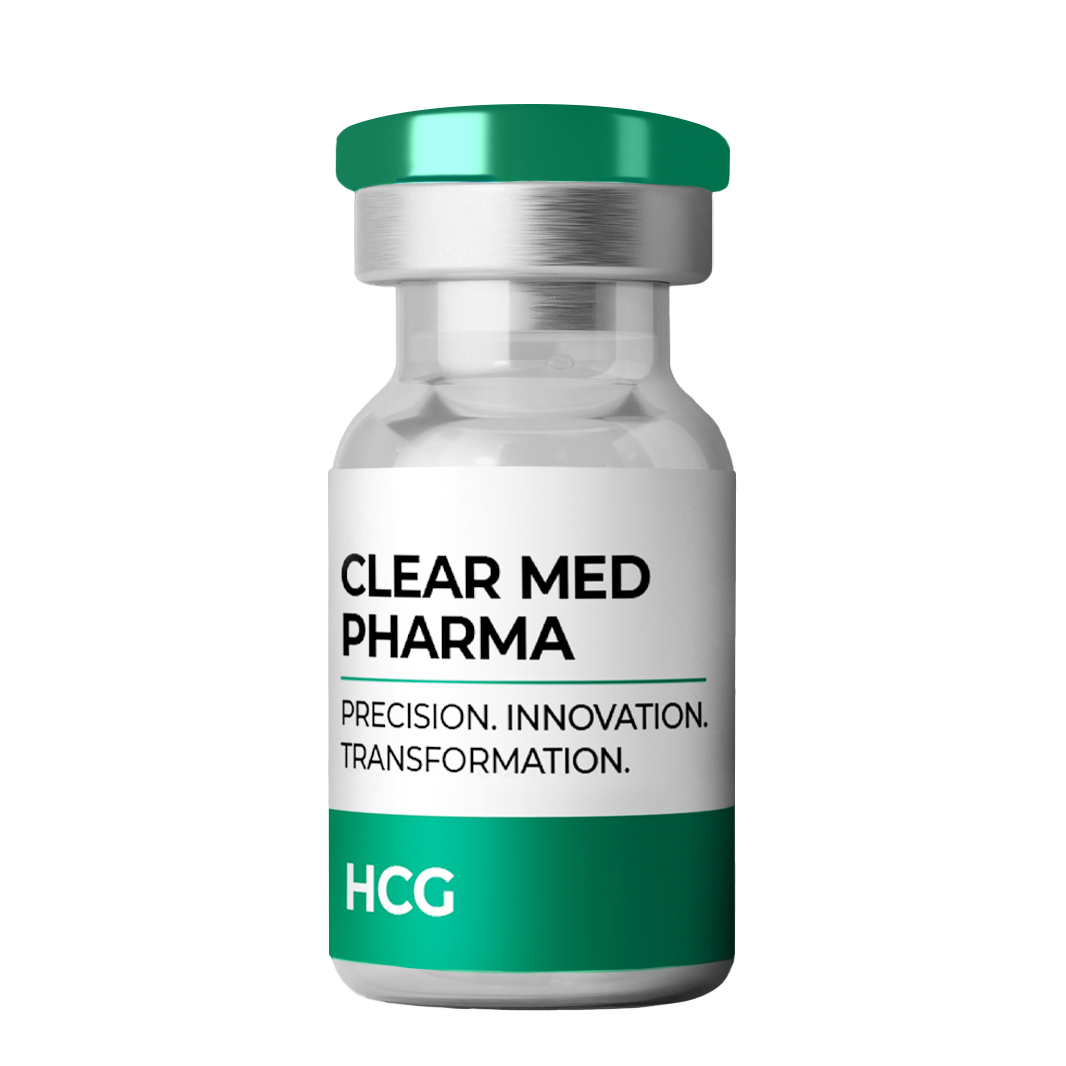
Human Chorionic Gonadotropin (HCG) is a glycoprotein hormone studied in pre-clinical systems for its ability to activate luteinizing hormone (LH) receptors, allowing researchers to model gonadal signaling pathways and hormonal feedback mechanisms.
Reproductive and Fertility Studies
In in-vitro and animal models, HCG has been utilized to examine ovarian follicle maturation, corpus luteum maintenance, and testicular steroidogenesis, supporting its use in reproductive endocrinology and gametogenesis research.
Leydig and Sertoli Cell Function Models
Experimental findings indicate HCG can stimulate testosterone biosynthesis in Leydig cells, aiding investigations into testicular physiology, endocrine regulation, and hormone-receptor dynamics.
Hormonal-Homeostasis and Feedback Pathway Research
HCG serves as a model compound for studying hypothalamic-pituitary-gonadal (HPG) axis feedback, including how LH-mimetic agents influence gonadotropin secretion and endocrine equilibrium in controlled research systems.
Metabolic and Lipid-Mobilization Studies
Pre-clinical literature has examined HCG’s potential effects on lipid metabolism, providing a framework for evaluating metabolic responses to hormonal stimuli in non-clinical assays.
Endocrine-Recovery and Regulatory Research
In cellular models, HCG has been studied for its role in restoring normal gonadotropin signaling following exogenous hormone suppression, making it a valuable agent for post-intervention hormonal recovery studies.
Pregnancy and Placental-Biology Research
HCG has been widely used as a biomarker and research compound in studies of placental development, trophoblast differentiation, and progesterone signaling during early embryogenesis.
Energy and Mitochondrial Function Studies
Emerging research explores HCG’s secondary effects on mitochondrial biogenesis and metabolic efficiency, providing insight into endocrine-linked energy regulation.
Concentration: ≥98%
Research Use Only (RUO). Not for human or animal use. Not for diagnostic, therapeutic, or clinical applications. No claims are made regarding testosterone enhancement, fertility, or weight loss in humans. End-user assumes responsibility for determining suitability for specific research protocols.

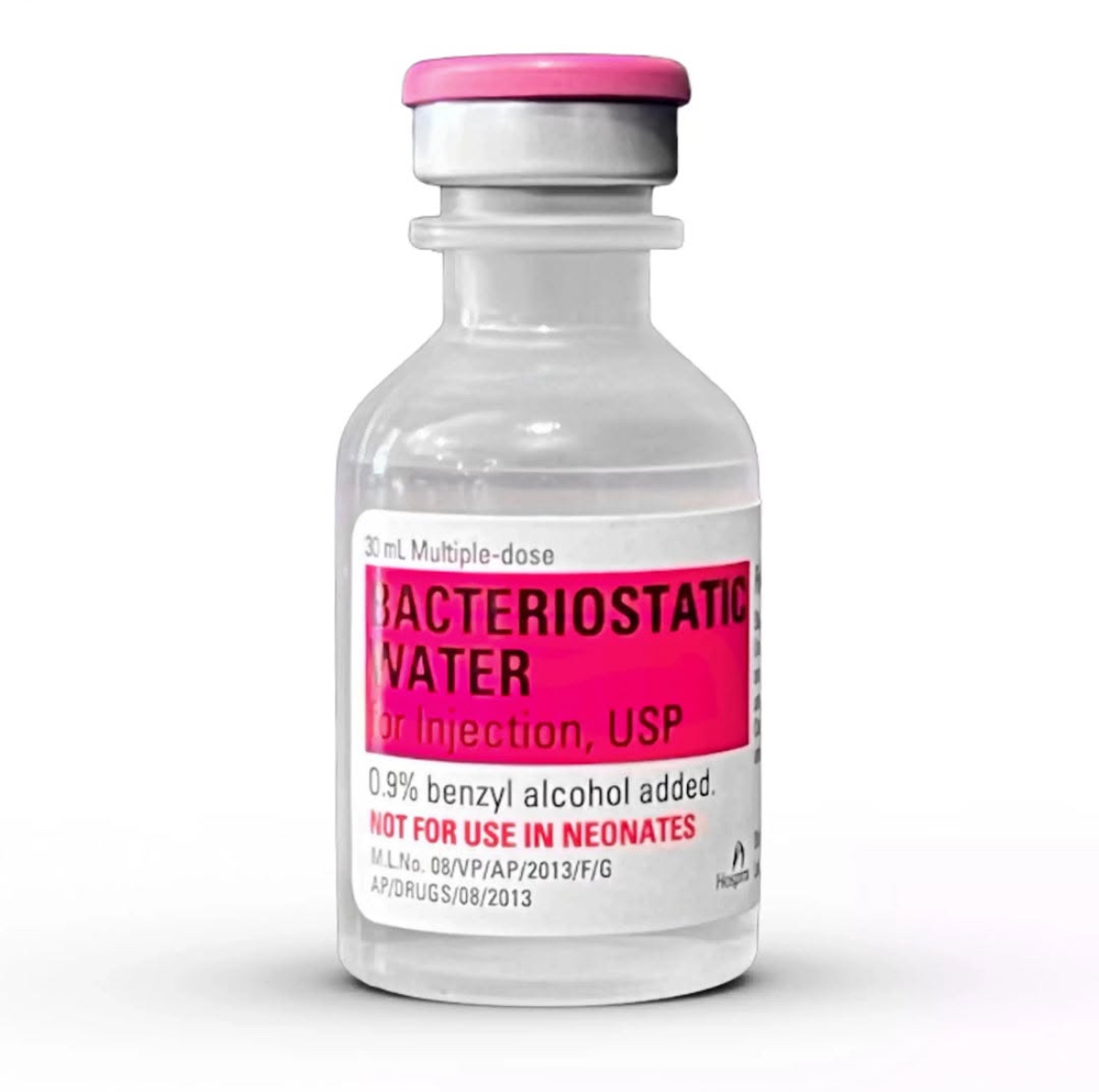
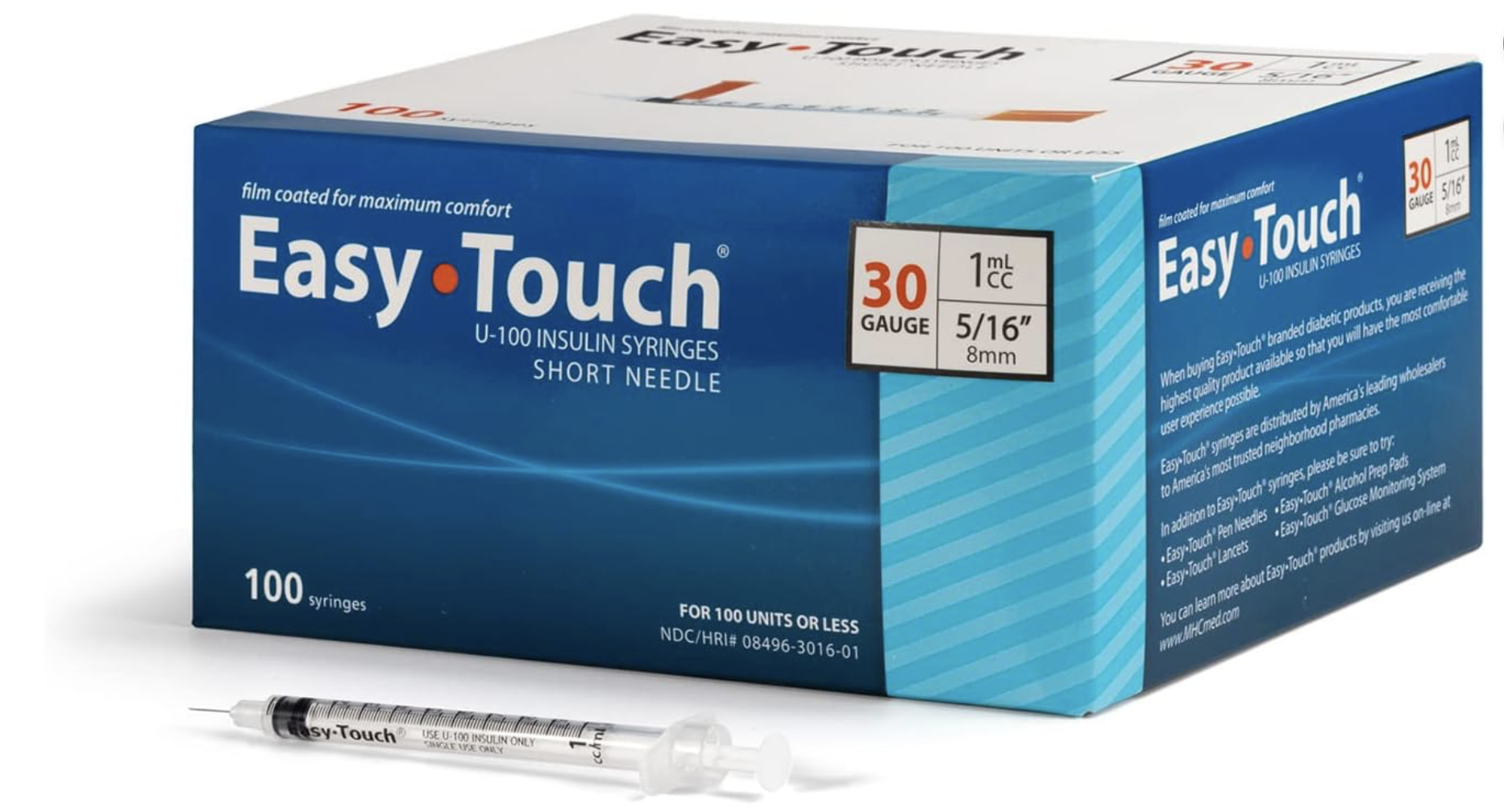
Bacteriostatic Water, Alcohol Pads, and Syringes are not included with orders. Please add them to your cart. If you are only purchasing topical solutions or tablets then these items are not necessary.