GHK-Cu (50mg) / BPC-157 (10mg) / TB500 (10mg) - GLOW Blend
Login to view prices.
CJC1295 No DAC (10mg)
Login to view prices.
SLU-PP-332 (5mg)
Login to view prices.
Ipamorelin/CJC 1295 No DAC (10mg /10mg) - DualCore Blend
Login to view prices.
Login to view prices.
Existing research has found the following:
Supports Reproductive Hormone Research – Studied for its potential to stimulate the release of luteinizing hormone (LH) and follicle-stimulating hormone (FSH), leading to downstream testosterone and estrogen production.
Explores Fertility Regulation Mechanisms – Investigated for its effects on ovulatory function in females and spermatogenic activity in males.
Evaluates Endocrine Recovery Pathways – Examined for maintaining hormonal balance and pituitary responsiveness in post-suppression research models.
Reproductive-Endocrine Axis Research
Gonadorelin (synthetic Gonadotropin-Releasing Hormone, or GnRH) is used in cellular and pre-clinical studies to model hypothalamic–pituitary–gonadal (HPG) axis signaling. It stimulates the release of luteinizing hormone (LH) and follicle-stimulating hormone (FSH) from the pituitary gland in experimental systems.
Testosterone and Estrogen Regulation Studies
In animal models, Gonadorelin is used to investigate LH/FSH-mediated steroidogenesis, supporting research into the regulation of testosterone and estrogen synthesis and the downstream effects on reproductive tissues.
Fertility and Ovulatory Function Research
Laboratory data show Gonadorelin can induce LH surges that mimic the ovulatory signal, making it a valuable tool in research related to ovulation, spermatogenesis, and gonadal development.
Post-Cycle and Hormone-Suppression Studies
Gonadorelin is used in endocrine-model research to study pituitary responsiveness and the restoration of HPG function following exogenous hormone exposure, providing insight into feedback-loop recovery mechanisms.
Hypogonadism and Hormonal-Imbalance Research
Pre-clinical studies explore Gonadorelin’s ability to normalize gonadotropin levels, enabling mechanistic studies of hypogonadism, delayed puberty, and other hormone-deficiency models.
Testicular-Function and Leydig-Cell Models
In male endocrine research, Gonadorelin is utilized to stimulate LH release and testicular Leydig-cell activation, helping to map testosterone synthesis pathways and gonadal resilience mechanisms.
Female Reproductive and Ovulatory Models
Gonadorelin serves as an experimental control for investigating follicular maturation, ovulation, and corpus luteum function, allowing insight into female reproductive hormone dynamics.
Neuroendocrine and Feedback Pathway Studies
Research shows that Gonadorelin plays a role in exploring hypothalamic feedback, GnRH receptor sensitivity, and neuroendocrine rhythm regulation in circadian and reproductive studies.
Lyophilized Gonadorelin peptide is stable at room temperature for 90 days; however, it should NOT be stored below freezing for any extended period. After reconstitution, refrigerate at ≤36°F.
Appearance: Solid, white powder in 3mL glass ampule
Chemical Formula: C55H75N17O13
PubChem CID: 638793
CAS Number: 33515092
Molecular Weight: 1182.311 g/mol
Synonyms: Luteinizing hormone-releasing hormone, Gonadoliberin, Dirigestran, Factrel, Fertagyl, Hypocrine, Gonadorelin hydrochloride
Storage: Store at ≤6°C, sealed, away from heat, light, and moisture.
Concentration: ≥98%
Research Use Only (RUO). Not for human or animal use. Not for diagnostic, therapeutic, or clinical applications. No claims are made regarding testosterone enhancement, fertility improvement, or hormonal therapy in humans. End-user assumes responsibility for determining suitability for specific research protocols.

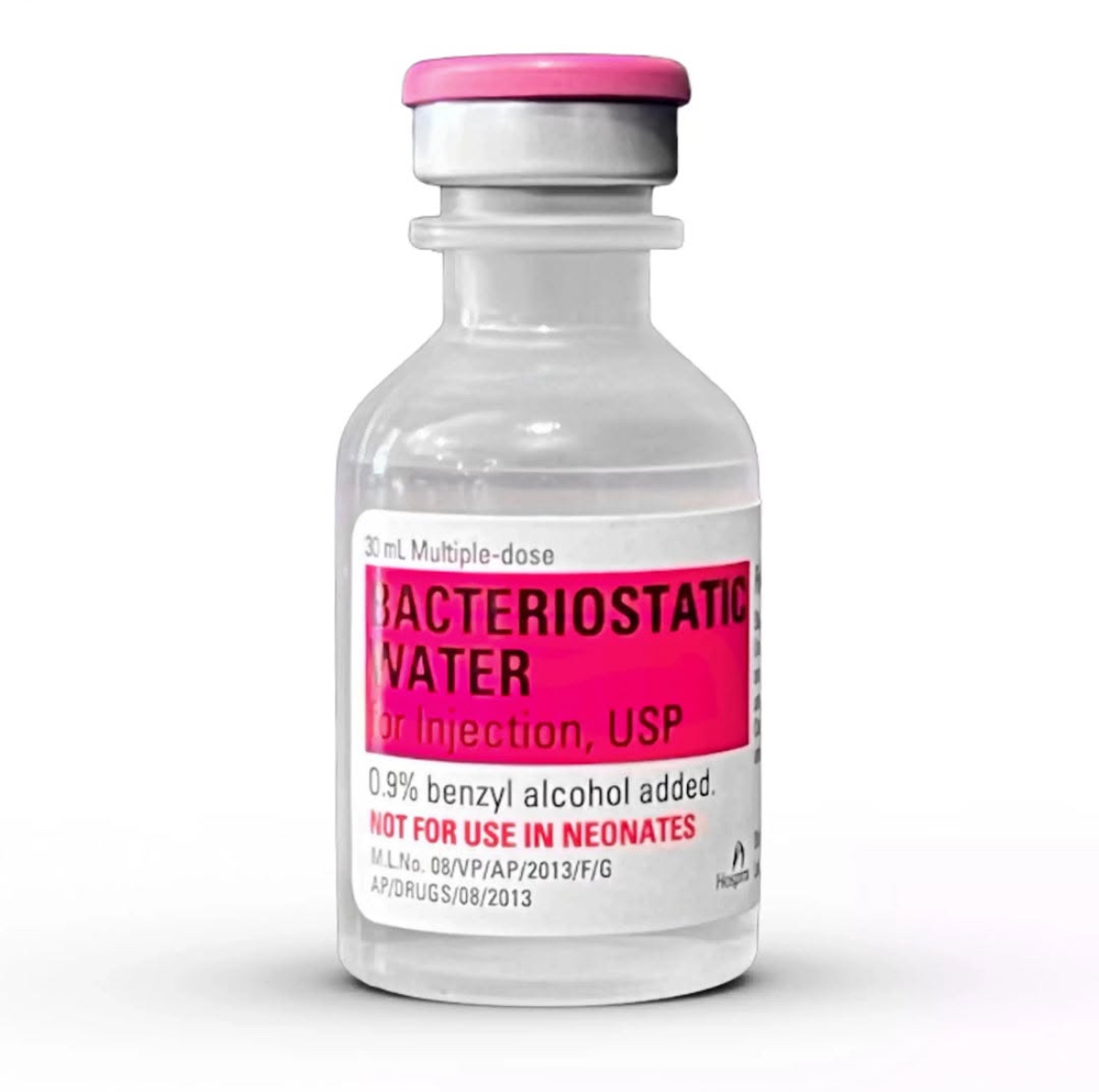
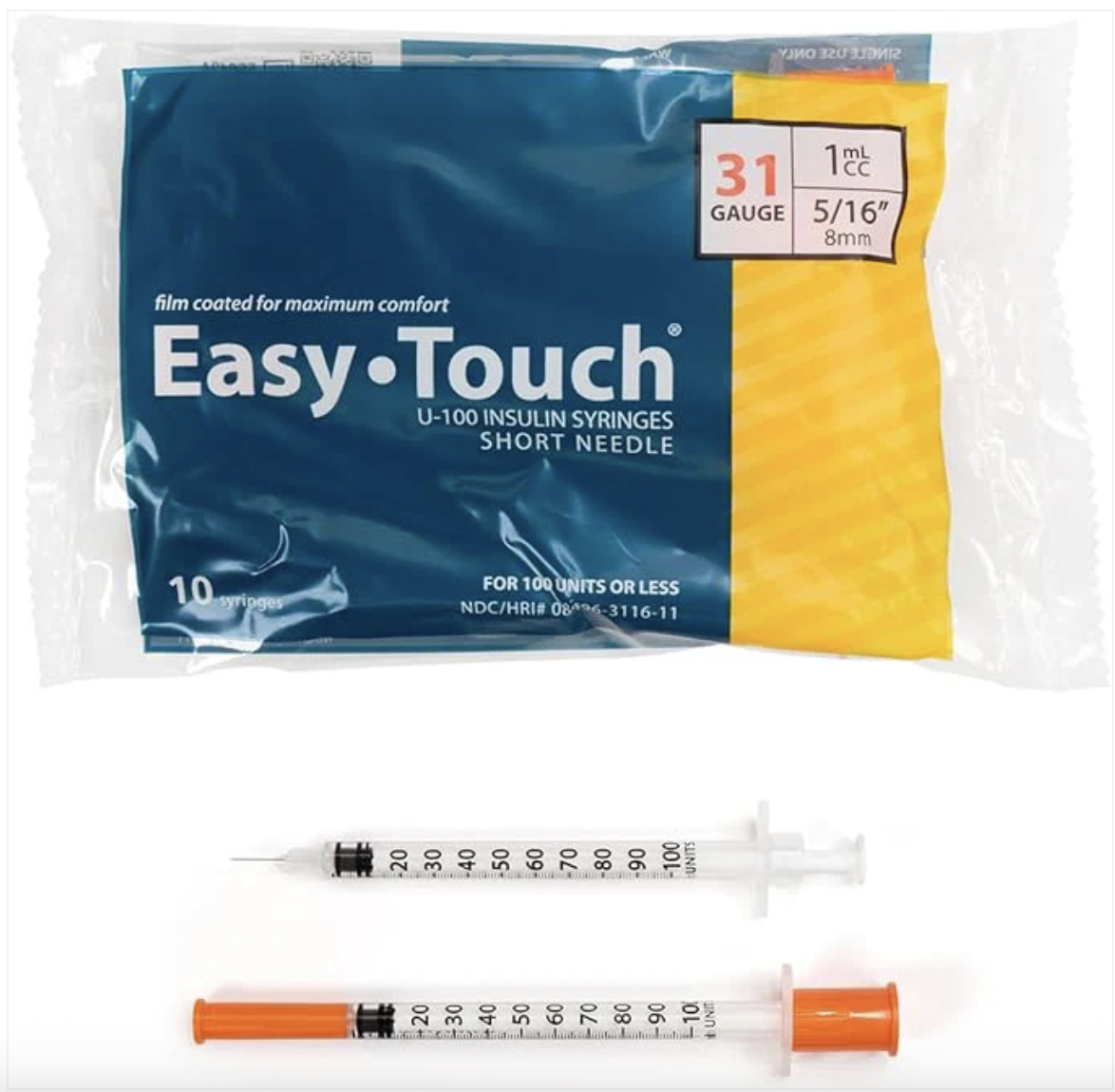
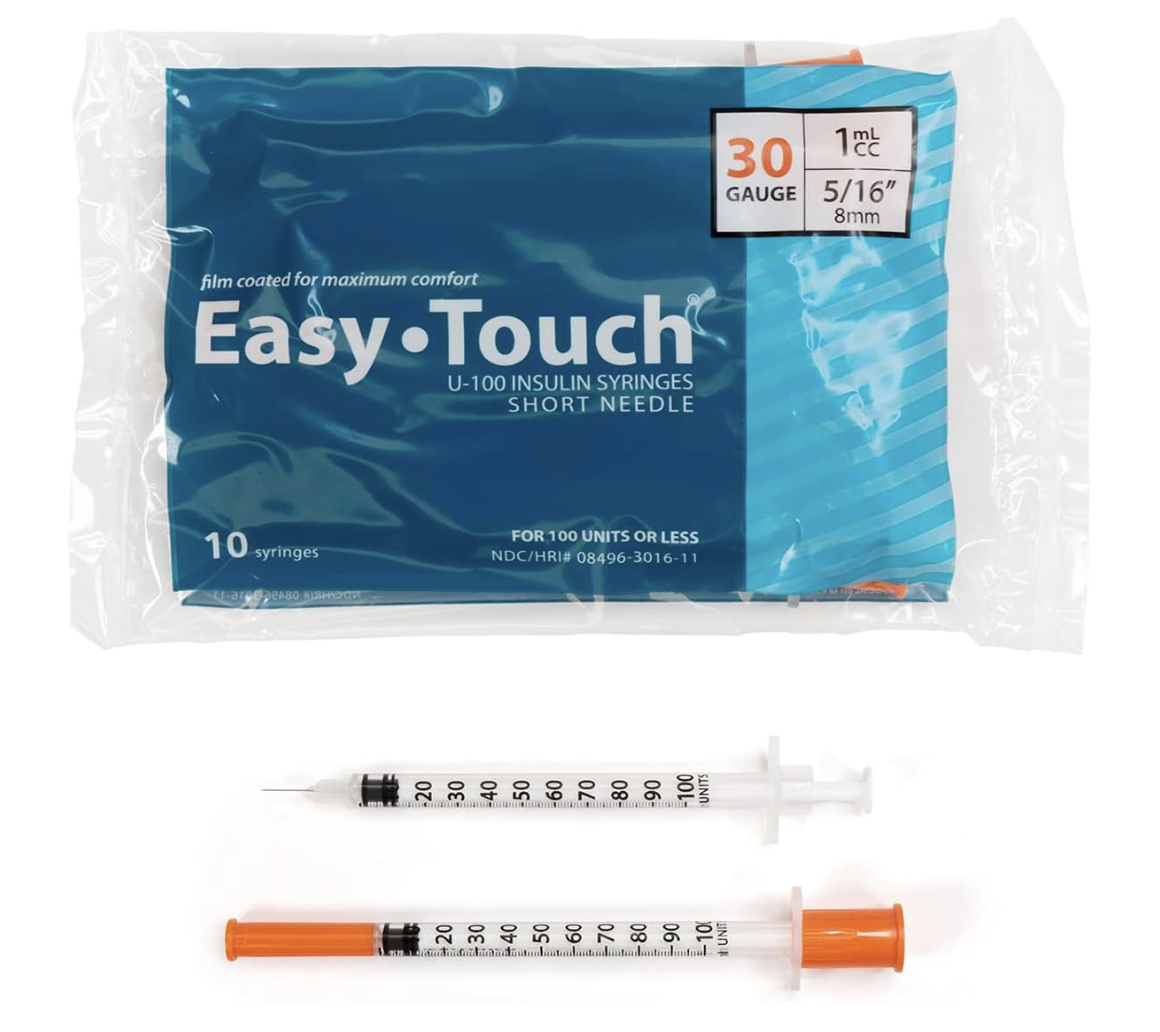
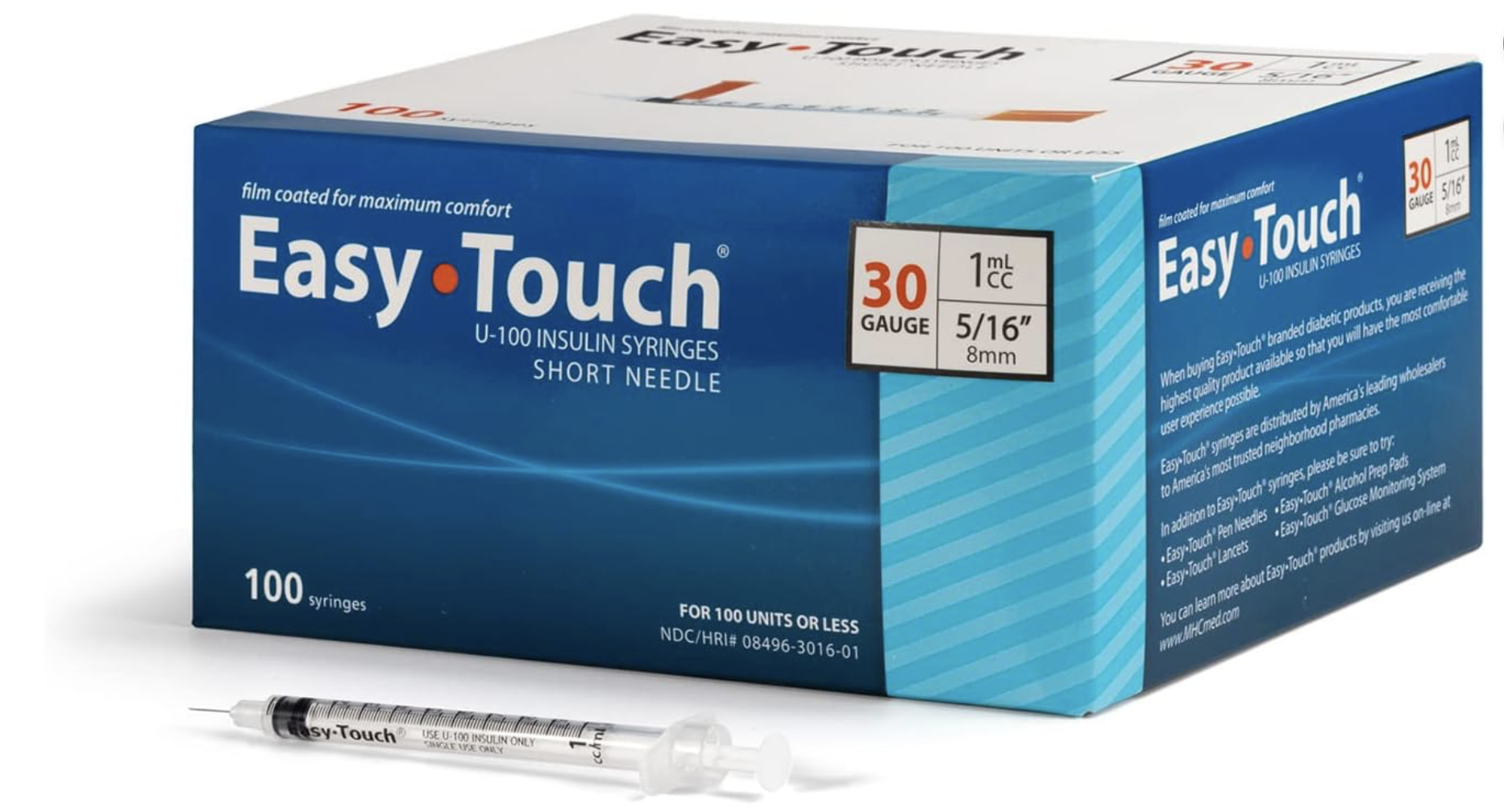
Bacteriostatic Water, Alcohol Pads, and Syringes are not included with orders. Please add them to your cart. If you are only purchasing topical solutions or tablets then these items are not necessary.