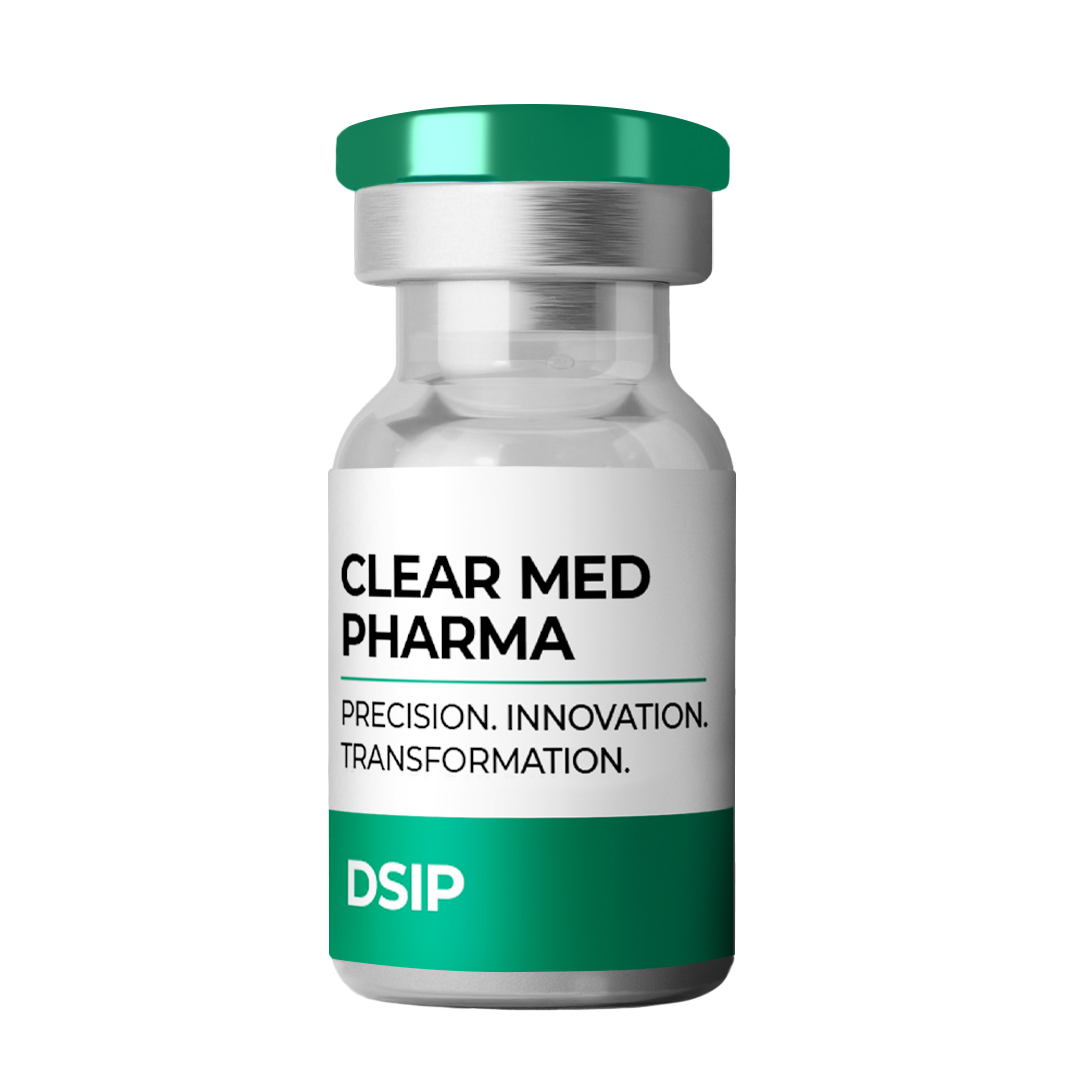
DSIP (5mg)
Login to view prices.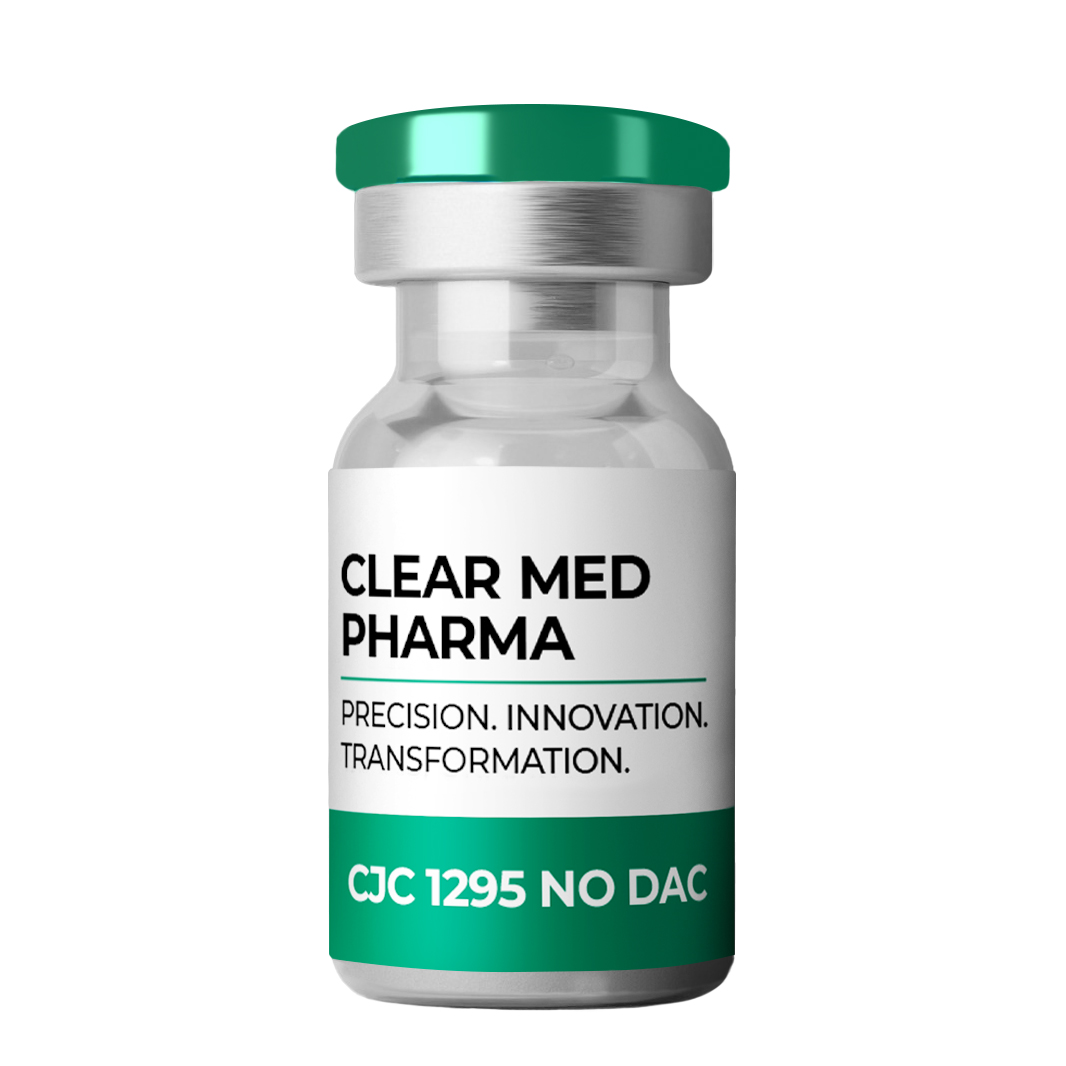
CJC1295 No DAC (10mg)
Login to view prices.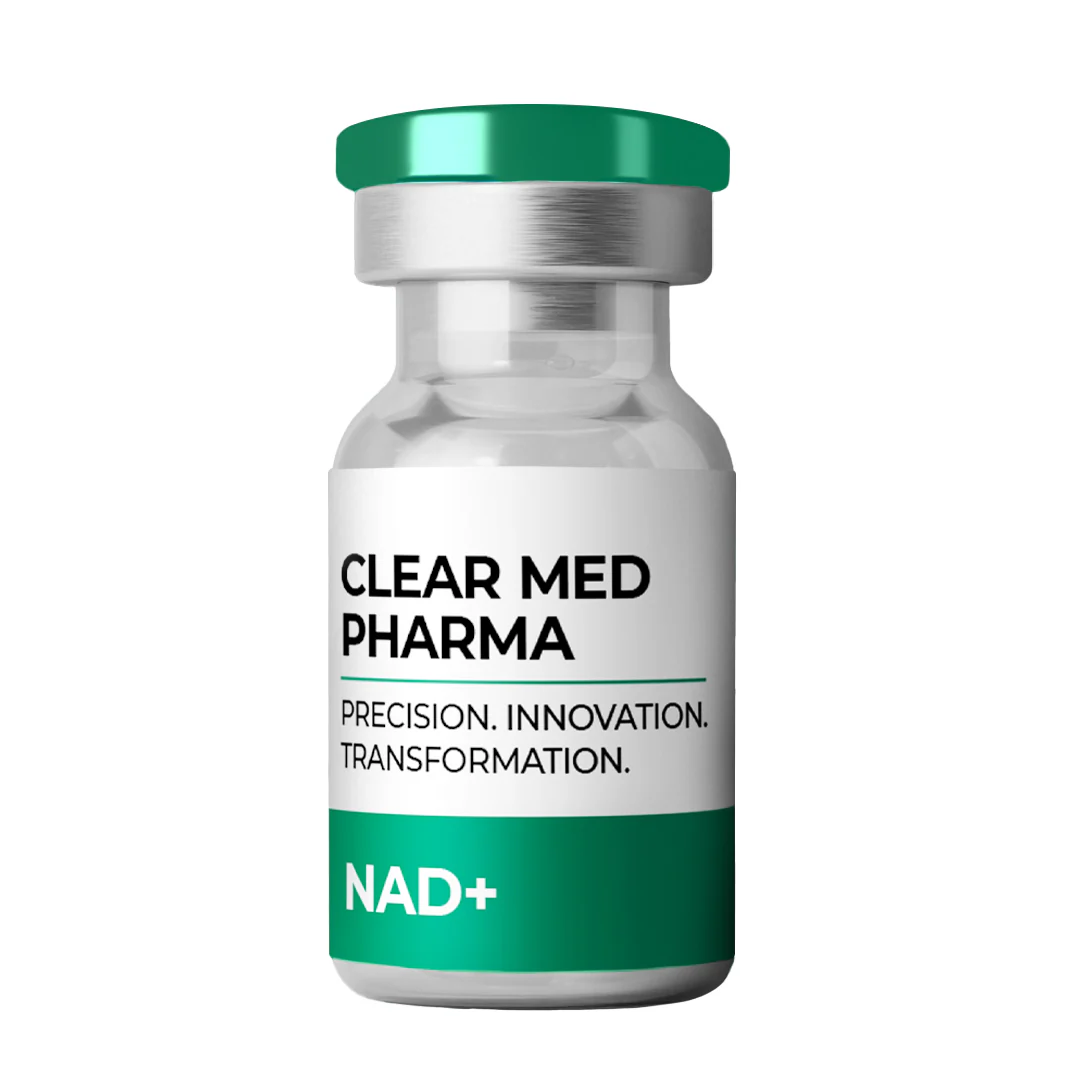
NAD+ (1000mg)
Login to view prices.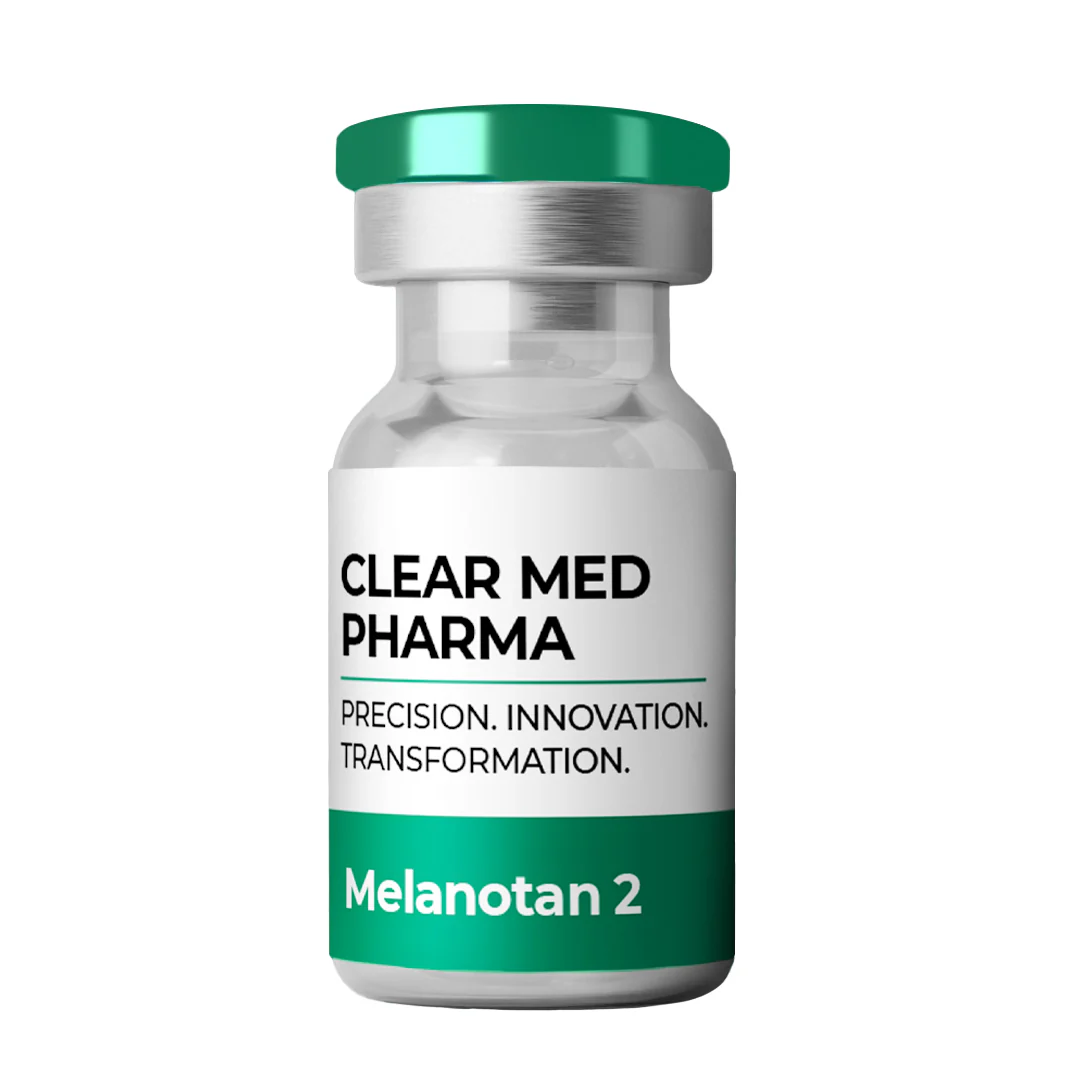
Melanotan 2 (10mg)
Login to view prices.
Login to view prices.
Existing research has found the following:
Supports Skin Regeneration Research – Studied for its potential to stimulate collagen and elastin synthesis, improving dermal structure and firmness.
Explores Wound Healing & Tissue Repair Mechanisms – Investigated for accelerating epithelial regeneration and reducing fibrotic scarring.
Evaluates Structural Protein & Cellular Renewal Pathways – Examined for enhancing extracellular matrix integrity and promoting balanced tissue remodeling.
Collagen and Extracellular-Matrix Research
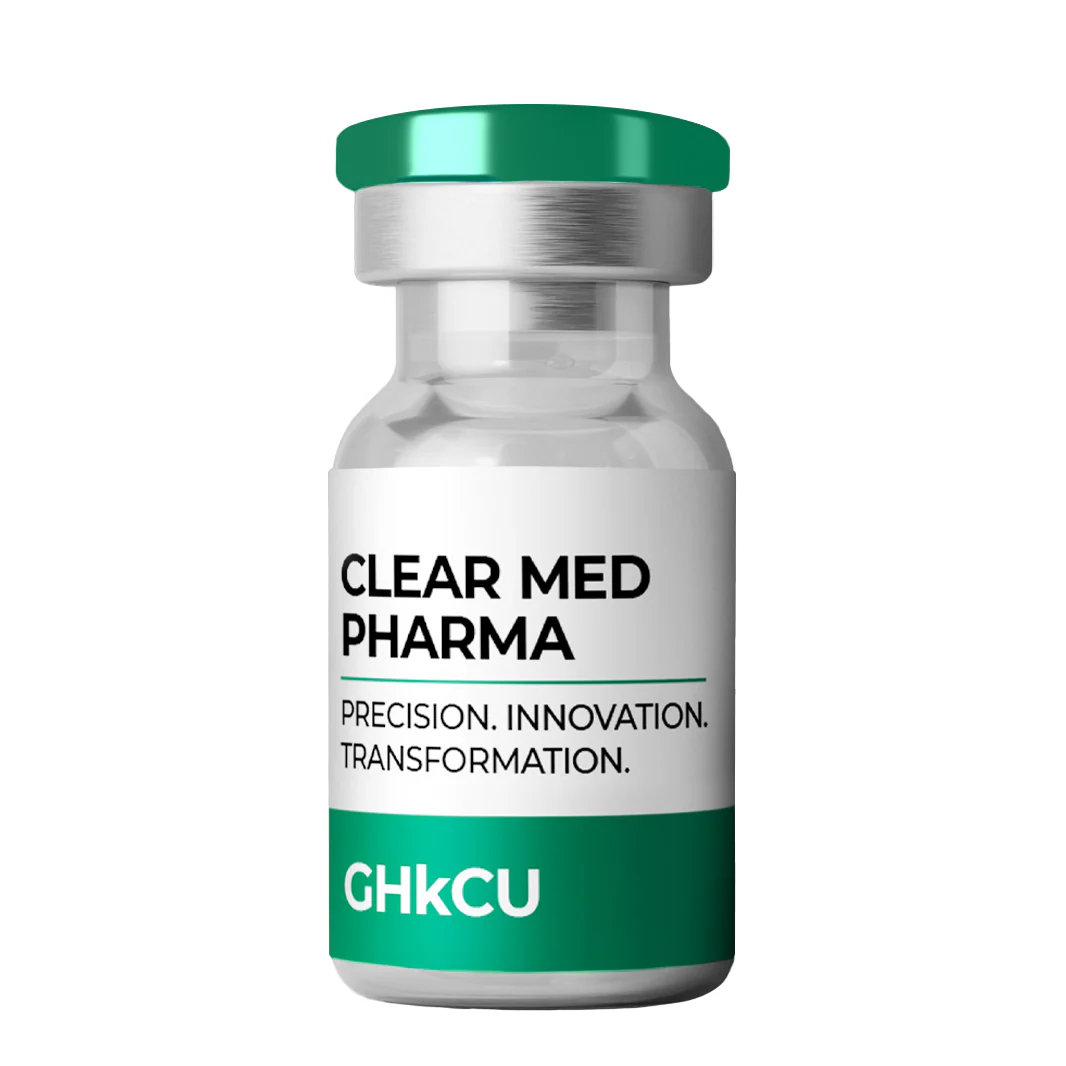
GHK-Cu (Copper Tripeptide-1) is a naturally occurring copper-binding peptide widely studied in cellular and pre-clinical systems for its role in stimulating collagen synthesis, elastin production, and glycosaminoglycan assembly, making it a key molecule in extracellular-matrix biology research.
Wound-Healing and Tissue-Repair Models
In animal and cell-culture studies, GHK-Cu has been shown to accelerate wound closure, angiogenesis, and tissue remodeling, supporting investigations into regenerative-medicine and dermal-repair mechanisms.
Anti-Inflammatory and Antioxidant Activity
Laboratory research demonstrates that GHK-Cu modulates oxidative stress pathways, reducing reactive oxygen species (ROS) and inflammatory cytokine expression, contributing to studies in redox balance and cellular protection.
Skin-Health and Cellular-Aging Research
GHK-Cu has been explored for its ability to restore gene expression patterns associated with youthful skin phenotype, providing a model for studying epigenetic rejuvenation and anti-aging signaling at the cellular level.
Hair-Follicle and Dermal-Papilla Studies
Pre-clinical data indicate that GHK-Cu promotes follicular-cell proliferation and angiogenesis in scalp tissue, supporting its use in research on hair-growth and dermal-regeneration mechanisms.
DNA-Repair and Regenerative-Pathway Research
GHK-Cu has been associated with DNA-repair enzyme upregulation and cellular-regeneration processes, offering potential insights into studies of aging, oxidative DNA damage, and cellular longevity.
Barrier-Function and Hydration Models
Experimental systems show GHK-Cu improves keratinocyte cohesion and lipid-barrier integrity, making it valuable for investigations into skin hydration, trans-epidermal water loss, and barrier repair.
Joint, Muscle, and Connective-Tissue Studies
In non-clinical models, GHK-Cu has been observed to influence fibroblast proliferation and inflammatory modulation in connective tissues, supporting its inclusion in musculoskeletal and tendon-healing research.
Environmental and UV-Stress Research
Studies show GHK-Cu can mitigate damage from UV radiation, pollutants, and toxic exposures, enabling research into cellular resilience and environmental-stress responses.
Lyophilized GHK-CU is stable at room temperature for 90 days; however, it should NOT be stored below freezing for any extended period. After reconstitution, refrigerate at ≤36°F.
Product Specifications
Application: Research peptide evaluated in anti-aging and wound healing studies.
Appearance: Solid, blue powder in 3mL glass ampule
Chemical Formula: C14H24N6O4S2Cu
PubChem CID: 15939950
CAS Number: 49557-75-7
Molecular Weight: 405.00 g/mol
Synonyms: Copper peptide, Gly-His-Lys, GHK-Copper
Storage: Store at ≤25°C, sealed, away from heat, light, and moisture.
Concentration: ≥98%
Research Use Only (RUO). Not for human or animal use. Not for diagnostic, therapeutic, cosmetic, or clinical applications. No claims are made regarding skin rejuvenation, hair growth, or anti-aging benefits in humans. End-user assumes responsibility for determining suitability for specific research protocols.
To shop with us, you’ll just need to request an account. It takes a minute, and once you’re approved you’ll have full access to the catalog and checkout.
Request Account Access