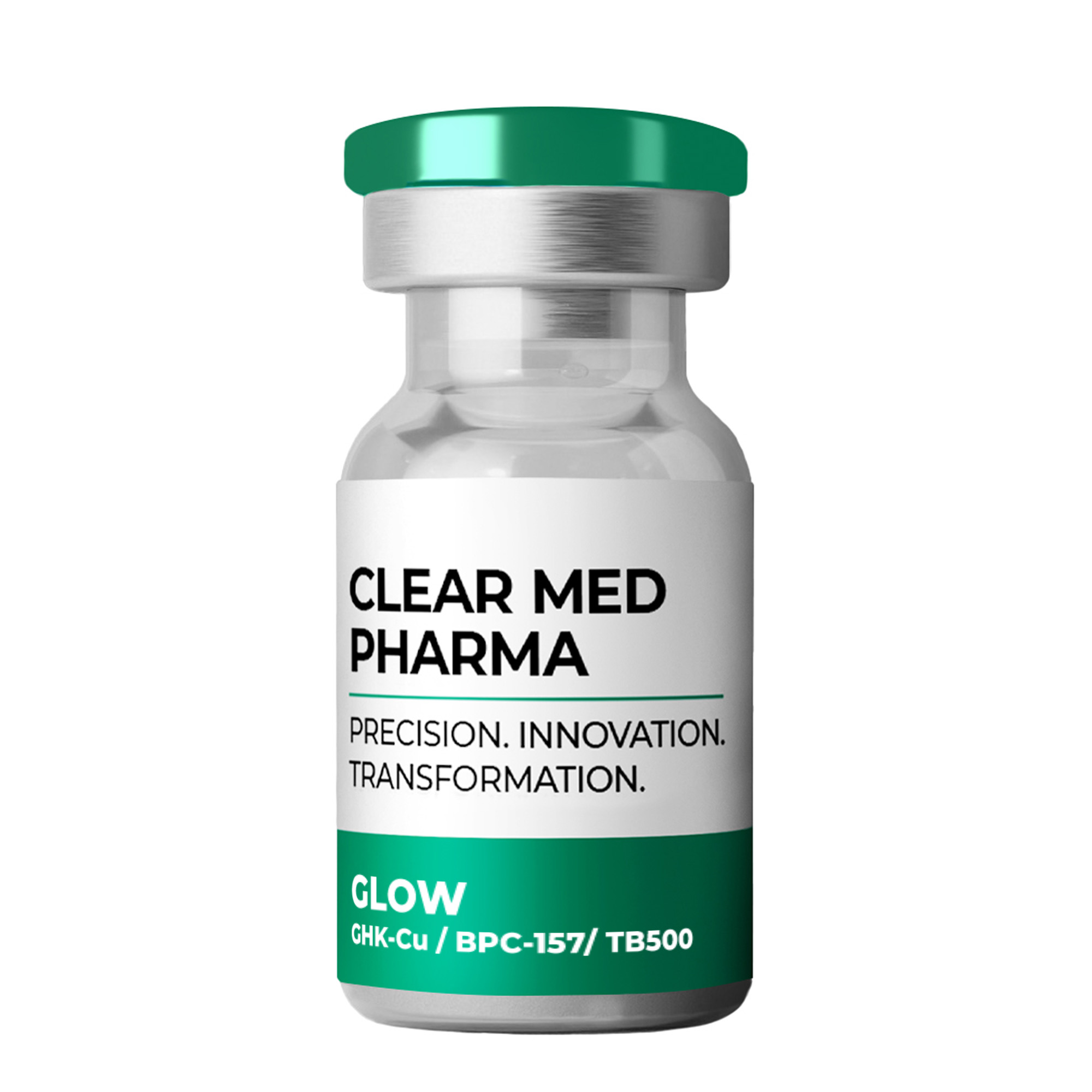
GHK-Cu (50mg) / BPC-157 (10mg) / TB500 (10mg) - GLOW Blend
Login to view prices.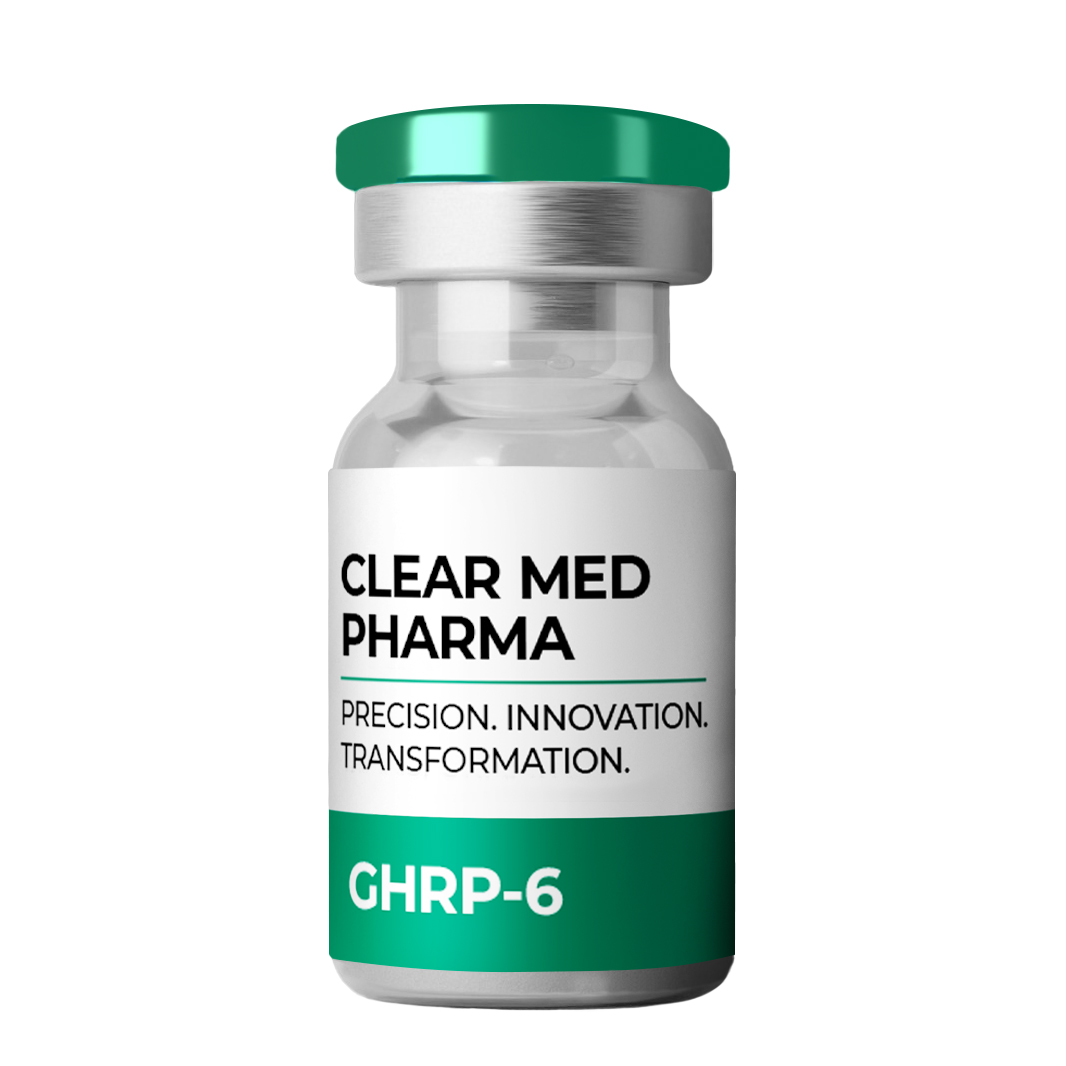
GHRP-6 (5mg)
Login to view prices.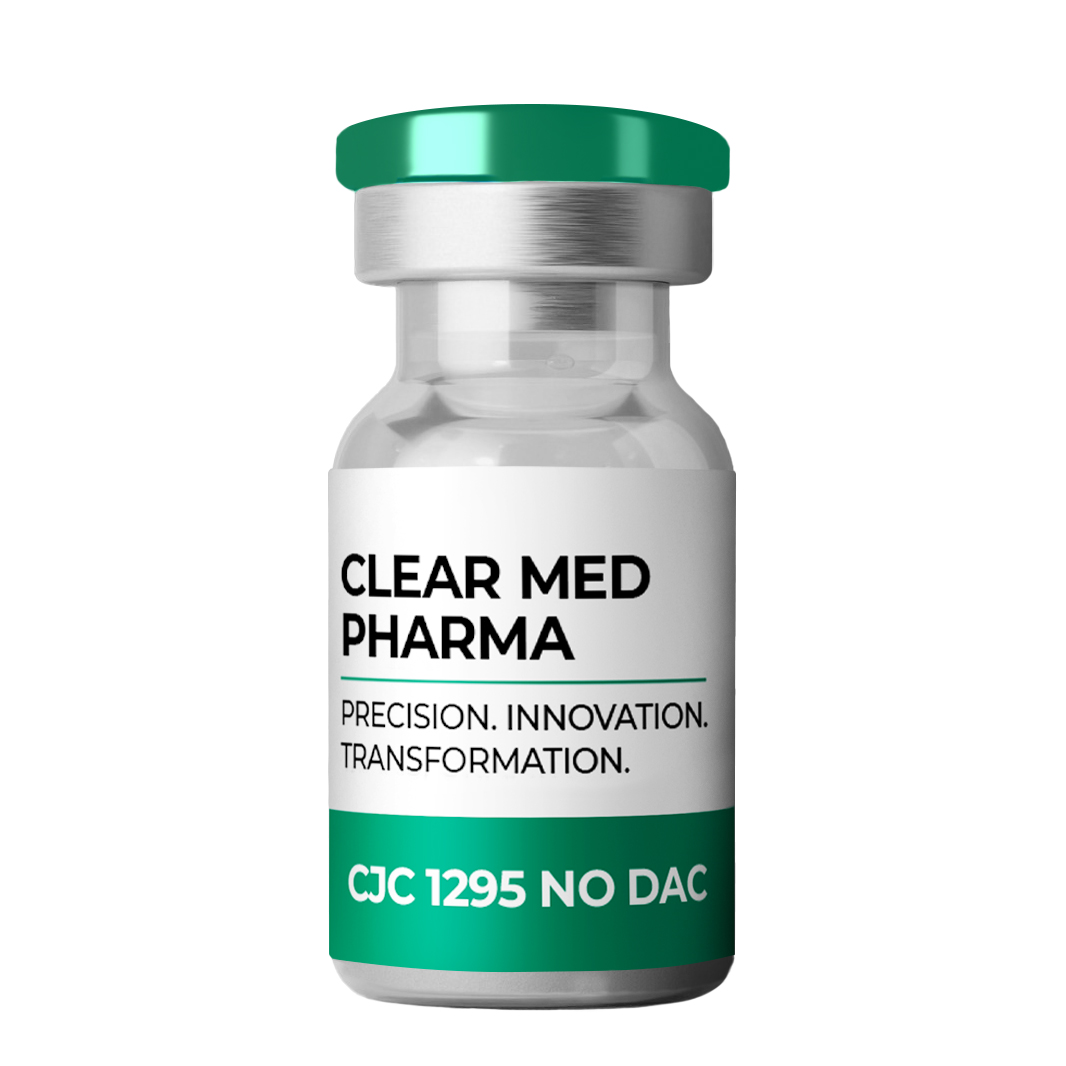
CJC1295 No DAC (10mg)
Login to view prices.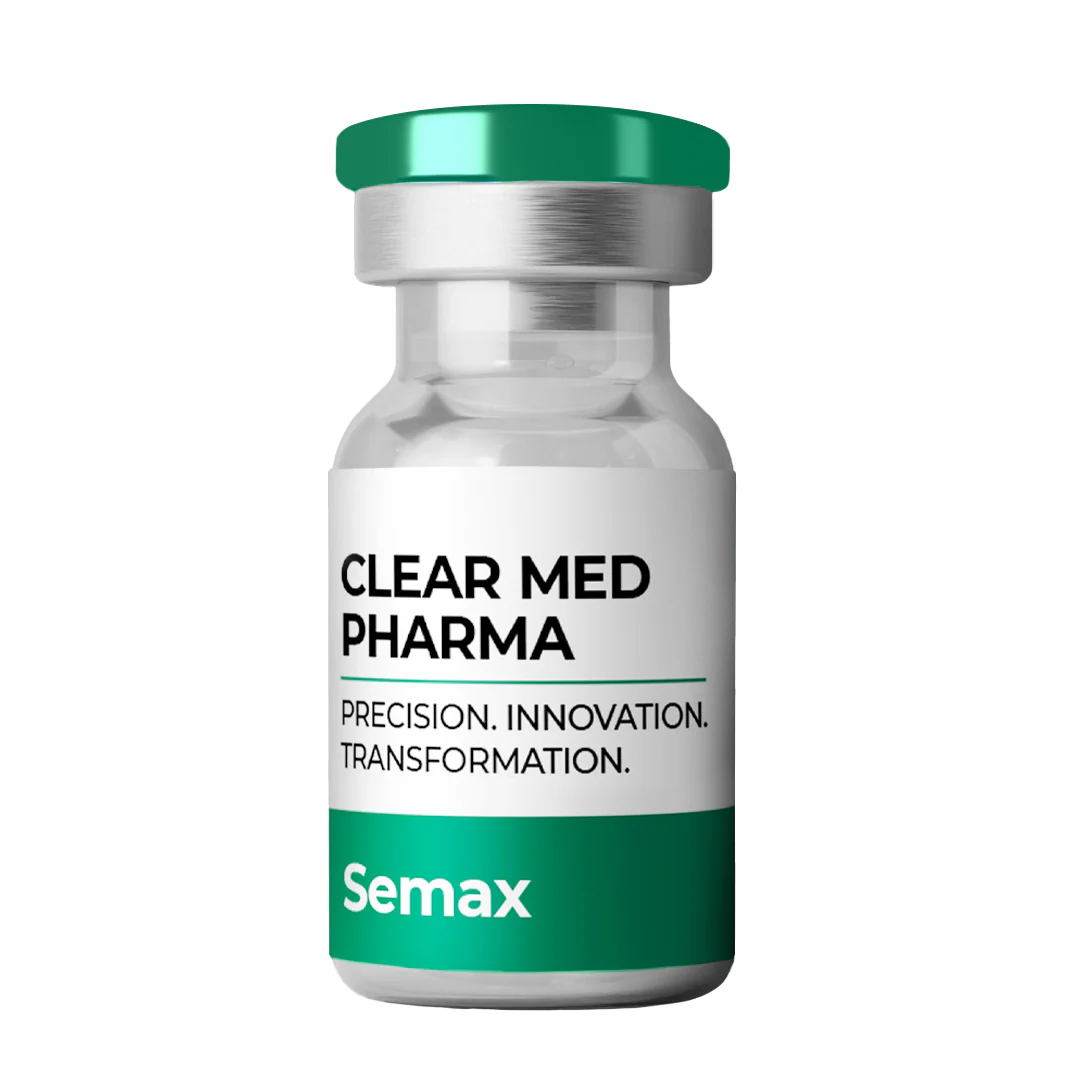
Semax (30mg)
Login to view prices.
Login to view prices.
Existing research has found the following:
Supports Telomere & Cellular Aging Research – Studied for its potential to activate telomerase and maintain telomere length in cellular models.
Explores DNA Repair & Regeneration Pathways – Investigated for enhancing genomic stability and supporting overall cellular renewal.
Evaluates Sleep & Circadian Rhythm Regulation – Examined for its influence on melatonin secretion and biological rhythm synchronization.
Assesses Immune System Modulation – Studied for its role in supporting immune response and physiological resilience in experimental research.
Telomerase and Cellular-Longevity Research
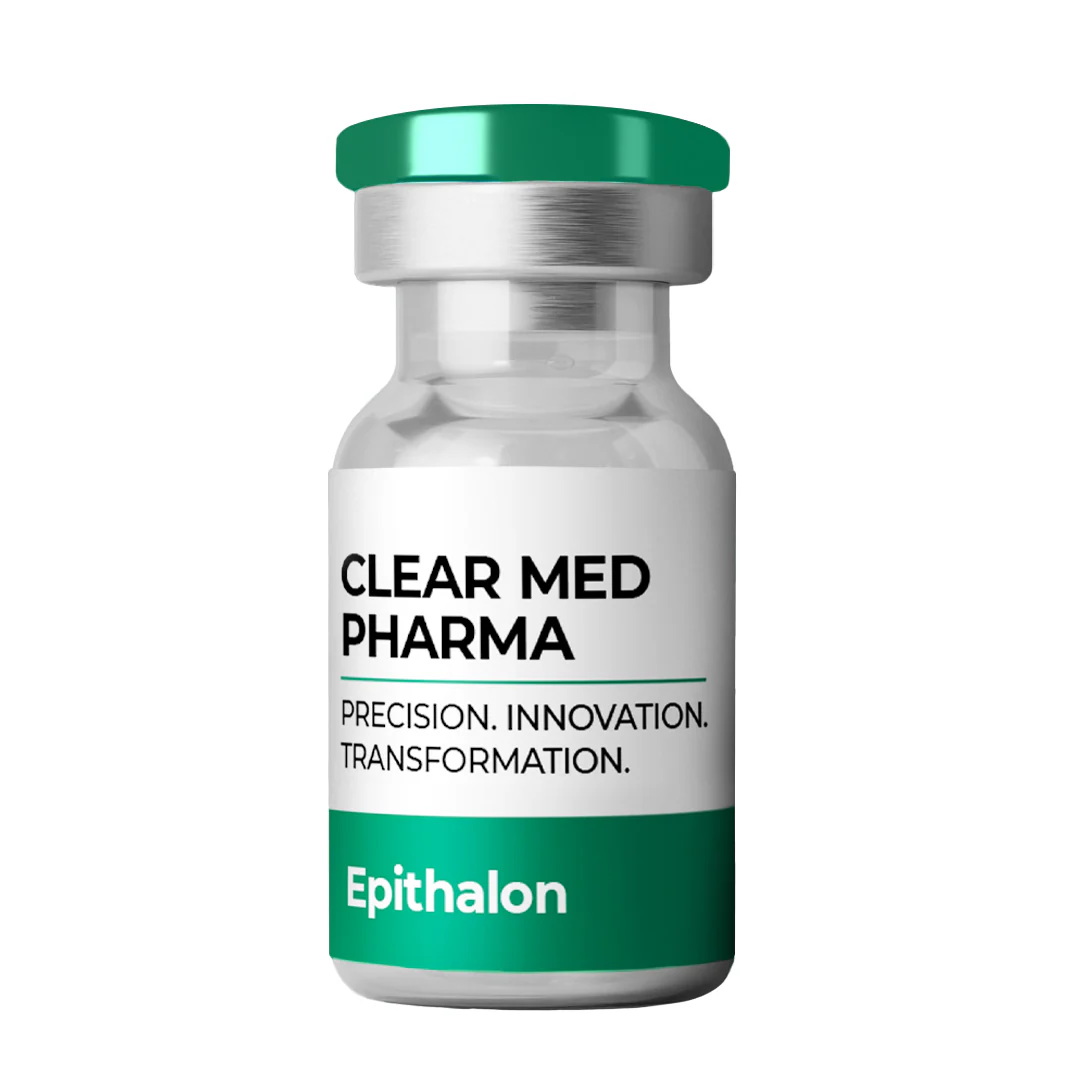
Epithalon (Epitalon) is a synthetic tetrapeptide (Ala-Glu-Asp-Gly) derived from the natural pineal peptide Epithalamin, used in pre-clinical and cellular studies exploring its ability to activate telomerase—the enzyme responsible for maintaining telomere length and genomic stability.
DNA-Repair and Cellular-Regeneration Models
Laboratory data show Epithalon promotes DNA repair enzyme activity and cellular resilience under oxidative stress, making it a key molecule for studying genomic protection and anti-senescence mechanisms.
Circadian and Melatonin-Regulation Studies
Research indicates Epithalon may modulate pineal function and melatonin secretion, supporting investigations into circadian rhythm regulation, sleep biology, and endocrine–neural signaling.
Immune-Modulation and Oxidative-Stress Research
In animal studies, Epithalon has been observed to reduce oxidative stress markers and enhance immune-cell activity, facilitating its use in models of immune aging and redox balance.
Dermal and Extracellular-Matrix Regeneration
Pre-clinical data suggest that Epithalon promotes collagen synthesis, skin elasticity, and fibroblast function, enabling research into cutaneous aging and dermal repair.
Neuroprotection and Cognitive Function Studies
Epithalon has been evaluated in in-vitro and animal models for its potential to protect neurons from oxidative and age-related degeneration, aiding research in memory, synaptic plasticity, and neuroendocrine function.
Endocrine and Hormone-Regulation Research
The peptide is studied for its role in pineal–hypothalamic signaling and hormone homeostasis, contributing to investigations into aging-related endocrine decline.
Cardiovascular and Metabolic Models
Epithalon has shown preliminary benefits in vascular integrity and lipid metabolism studies, supporting exploration into cardiovascular health and blood-pressure regulation in aging systems.
Inflammation and Cellular-Stress Studies
Experimental data show downregulation of pro-inflammatory cytokines and improved cellular antioxidant response, making Epithalon useful in chronic inflammation and oxidative-damage models.
Cell-Proliferation and Oncogenesis Mechanisms
Some in-vitro research explores Epithalon’s potential to normalize cell-cycle regulation and modulate apoptosis, making it valuable in tumor-suppression and cell-proliferation studies.
Concentration: ≥98%
Research Use Only (RUO). Not for human or animal use. Not for diagnostic, therapeutic, or clinical applications. No claims are made regarding longevity, hormone regulation, or anti-aging effects in humans. End-user assumes responsibility for determining suitability for specific research protocols.

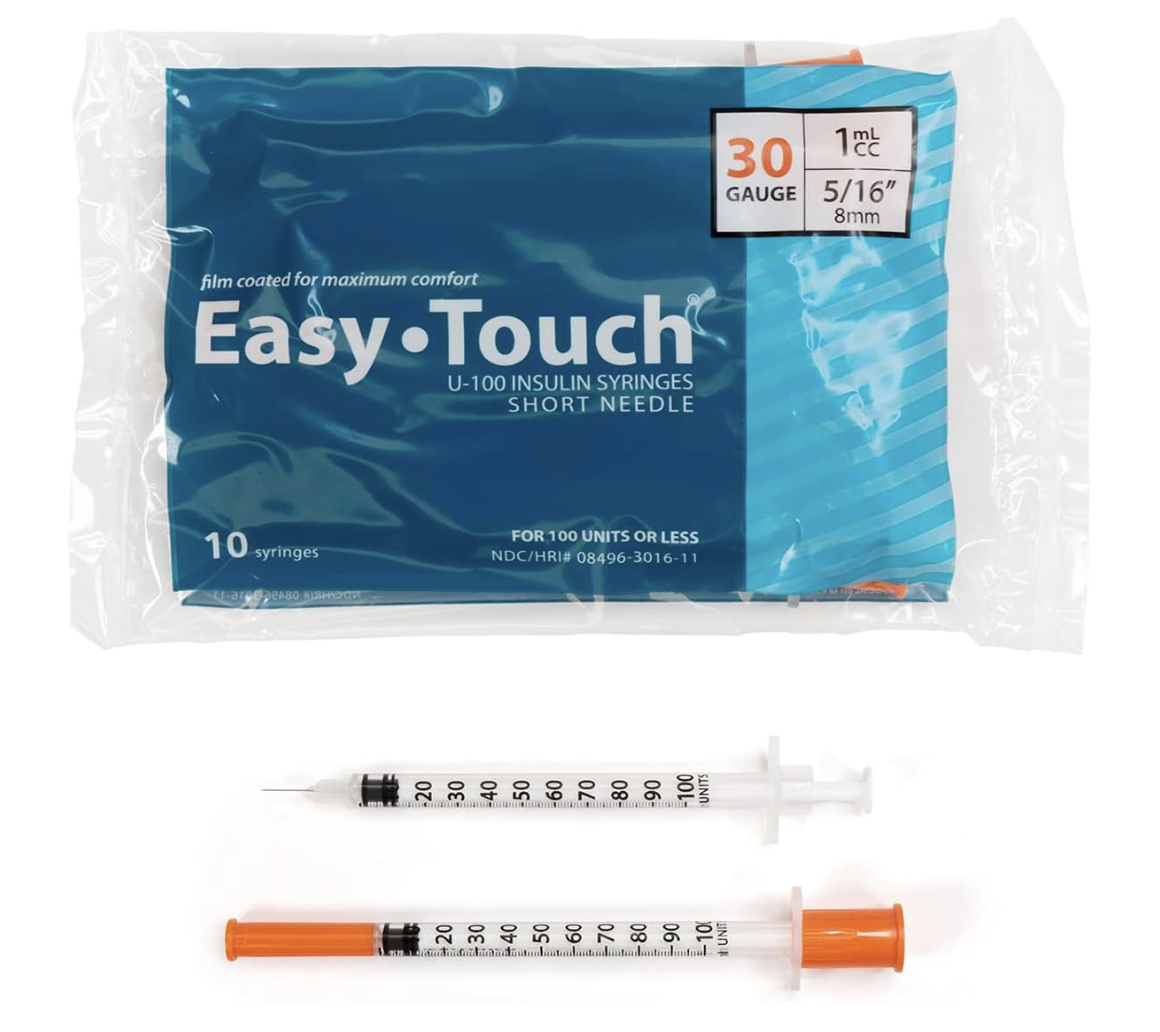
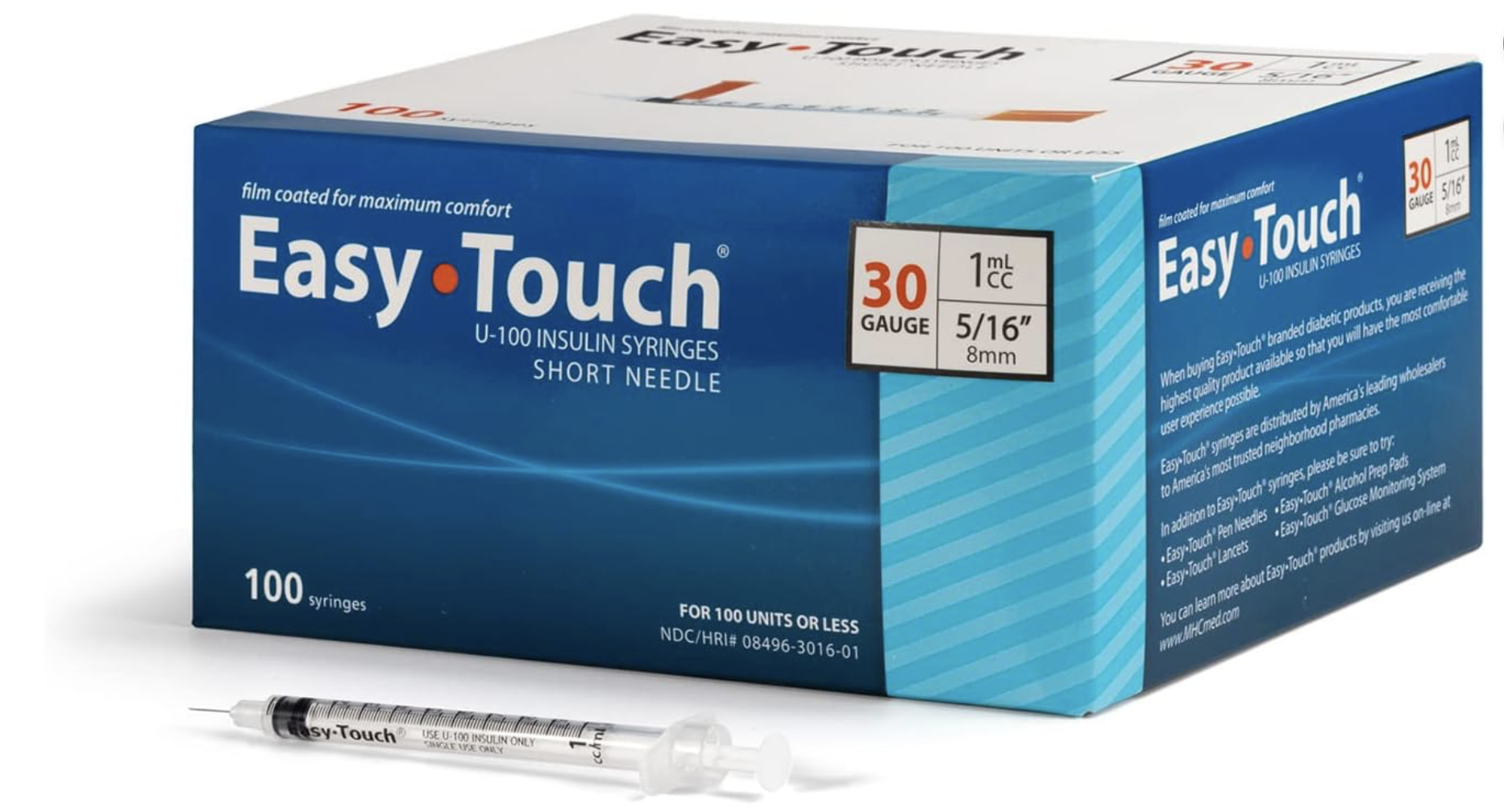
Bacteriostatic Water, Alcohol Pads, and Syringes are not included with orders. Please add them to your cart. If you are only purchasing topical solutions or tablets then these items are not necessary.