CJC1295 DAC (10mg)
Login to view prices.
CJC1295 No DAC (10mg)
Login to view prices.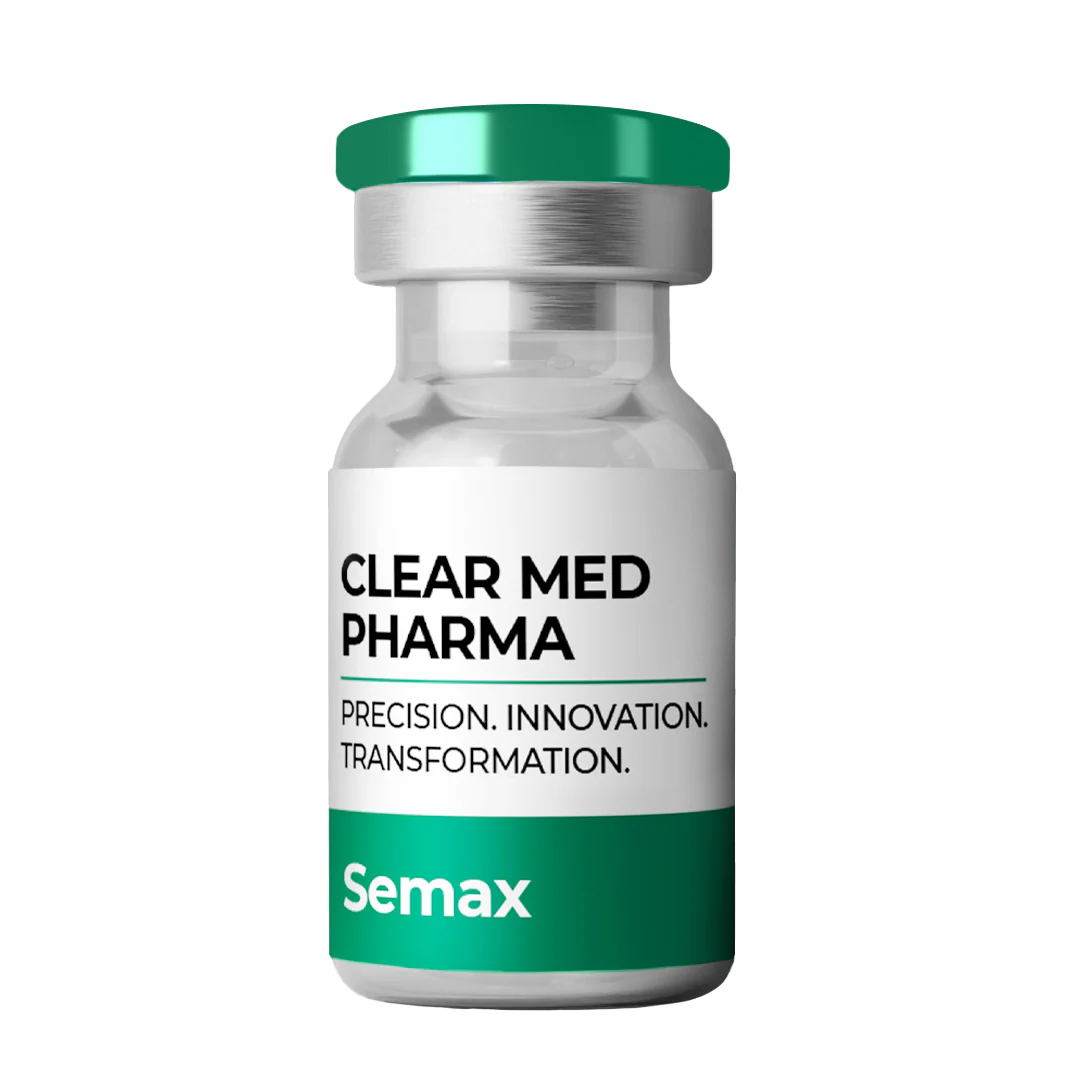
Semax (30mg)
Login to view prices.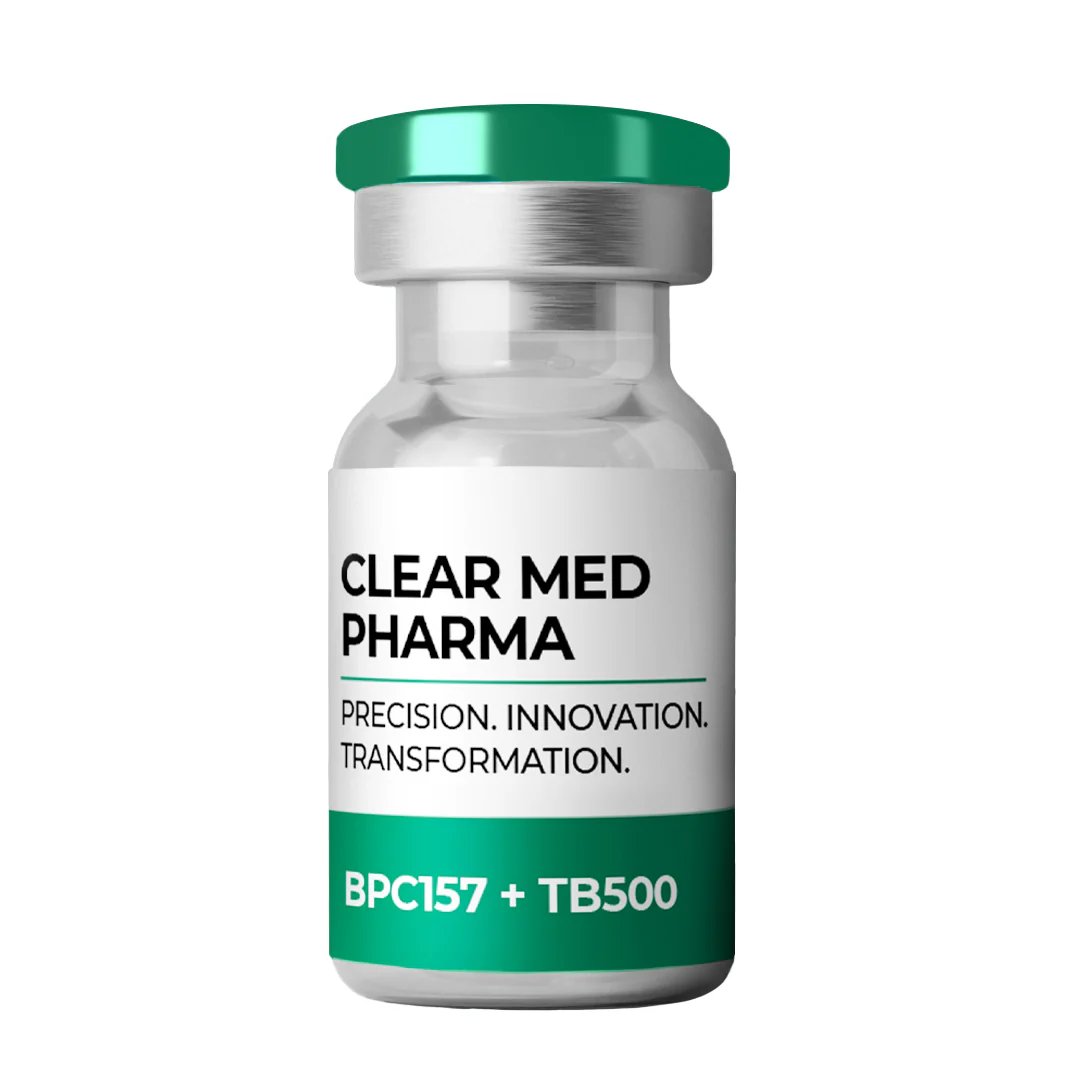
BPC-157 (10mg) / TB500 (10mg) - Wolverine Blend
Login to view prices.
Login to view prices.
Existing research has found the following:
Supports Antioxidant & Redox Research – Studied for its potential to neutralize free radicals and mitigate oxidative stress in cellular models.
Explores Inflammatory Modulation Pathways – Investigated for regulating cytokine activity and supporting balanced inflammatory signaling.
Evaluates Neuroprotective & Cognitive Mechanisms – Examined for its influence on neuronal health, memory, and cognitive performance in research environments.
Antioxidant and Redox-Balance Research
Curcumin, a polyphenolic compound derived from Curcuma longa (turmeric), has been widely studied in cellularand pre-clinical models for its potent free-radical scavenging properties and ability to modulate oxidative-stress–related pathways such as NRF2 and HO-1 activation.
Anti-Inflammatory Pathway Studies
In in-vitro and animal systems, Curcumin has been observed to regulate NF-κB, COX-2, and cytokine expression, supporting its use in research involving inflammatory signaling, immune balance, and tissue homeostasis.
Neuroprotection and Cognitive Function Research
Pre-clinical findings suggest that Curcumin may influence neuronal health by modulating amyloid aggregation, neurotrophic factors, and mitochondrial function, providing a foundation for studies on neuroprotection and memory processes.
Joint, Muscle, and Mobility Models
Experimental data demonstrate Curcumin’s ability to regulate inflammatory mediators in connective tissue, aiding investigations into muscle recovery, joint resilience, and cartilage health.
Cardiovascular and Circulatory Studies
In non-clinical models, Curcumin has been linked to endothelial nitric-oxide regulation, lipid balance, and reduction of oxidative plaque formation, allowing exploration of vascular and cardiac-function pathways.
Immunomodulation and Host-Defense Research
Laboratory studies have shown Curcumin to influence immune signaling via macrophage activation and cytokine modulation, making it a valuable compound for immune-response and host-defense research.
Liver Detoxification and Xenobiotic-Metabolism Studies
Curcumin has been examined in hepatocyte models for its ability to induce phase II detoxification enzymes and glutathione-related pathways, providing a tool for liver-function and toxin-clearance research.
Oncology and Cell-Health Models
Pre-clinical studies indicate that Curcumin can modulate cell-cycle checkpoints, apoptosis signaling, and tumor-suppressor gene expression, supporting its use in early-stage cancer biology and chemoprevention research.
Gastrointestinal and Microbiome Studies
Curcumin has been investigated for its impact on gut-barrier integrity, microbial diversity, and inflammation within the intestinal mucosa, aiding research on digestion, microbiota balance, and gastrointestinal resilience.
Lyophilized Curcumin is stable at room temperature for 90 days; however, it should NOT be stored below freezing for any extended period of time. After reconstituting, Curcumin should be refrigerated at temperatures not to exceed 36°F.
Appearance: Solid, yellow-orange powder in 3mL glass ampule
Chemical Formula: C21H20O6
PubChem CID: 969516
CAS Number: 458-37-7
Molecular Weight: 368.39 g/mol
Synonyms: Diferuloylmethane, Curcumin, 458-37-7
Storage: Store at ≤6°C, sealed, away from heat, light, and moisture.
Concentration: ≥98%
Research Use Only (RUO). Not for human or animal use. Not for diagnostic, therapeutic, or clinical applications. No claims are made regarding antioxidant, anti-inflammatory, or disease-prevention benefits in humans. End-user assumes responsibility for determining suitability for specific research protocols.

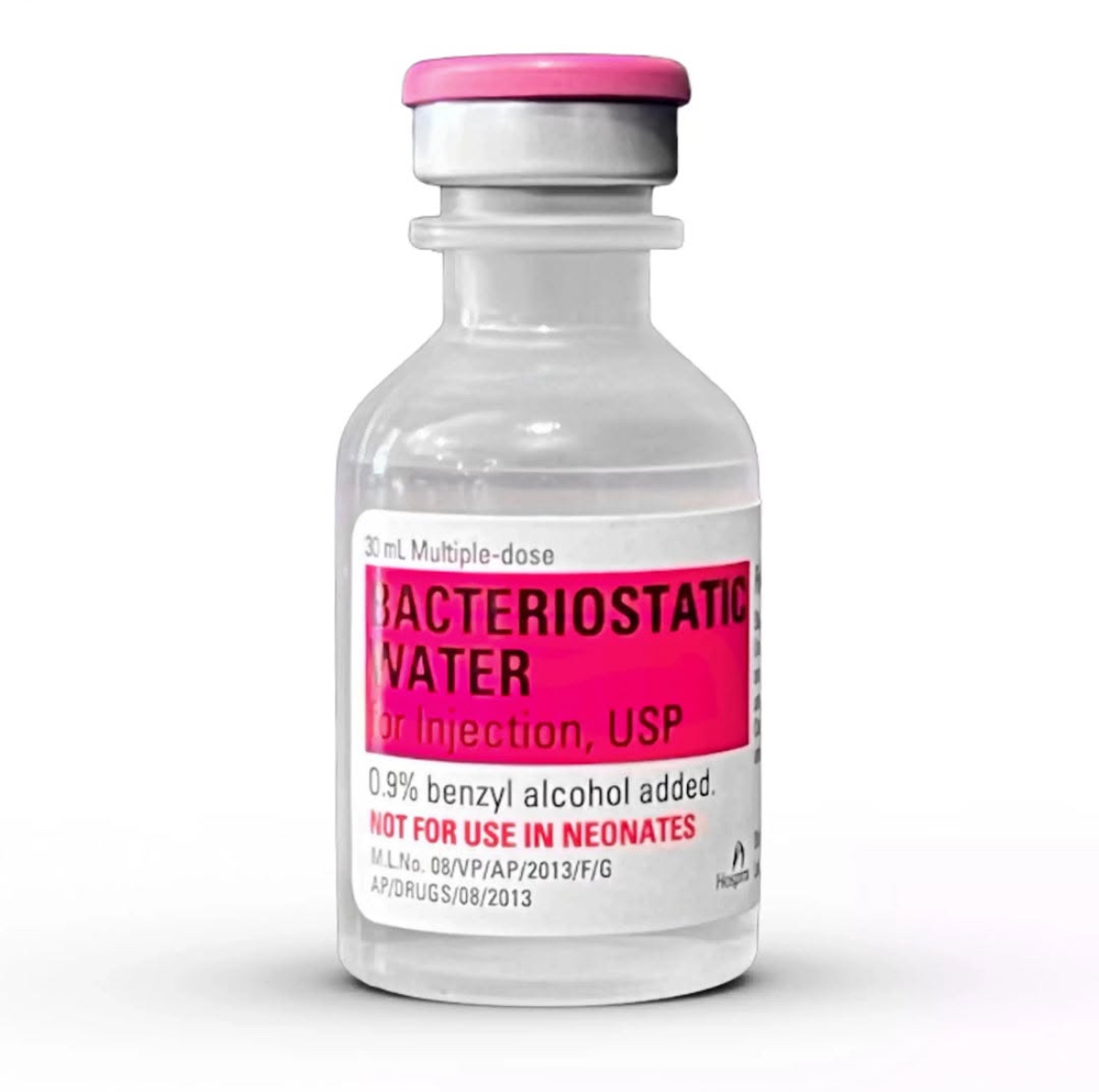
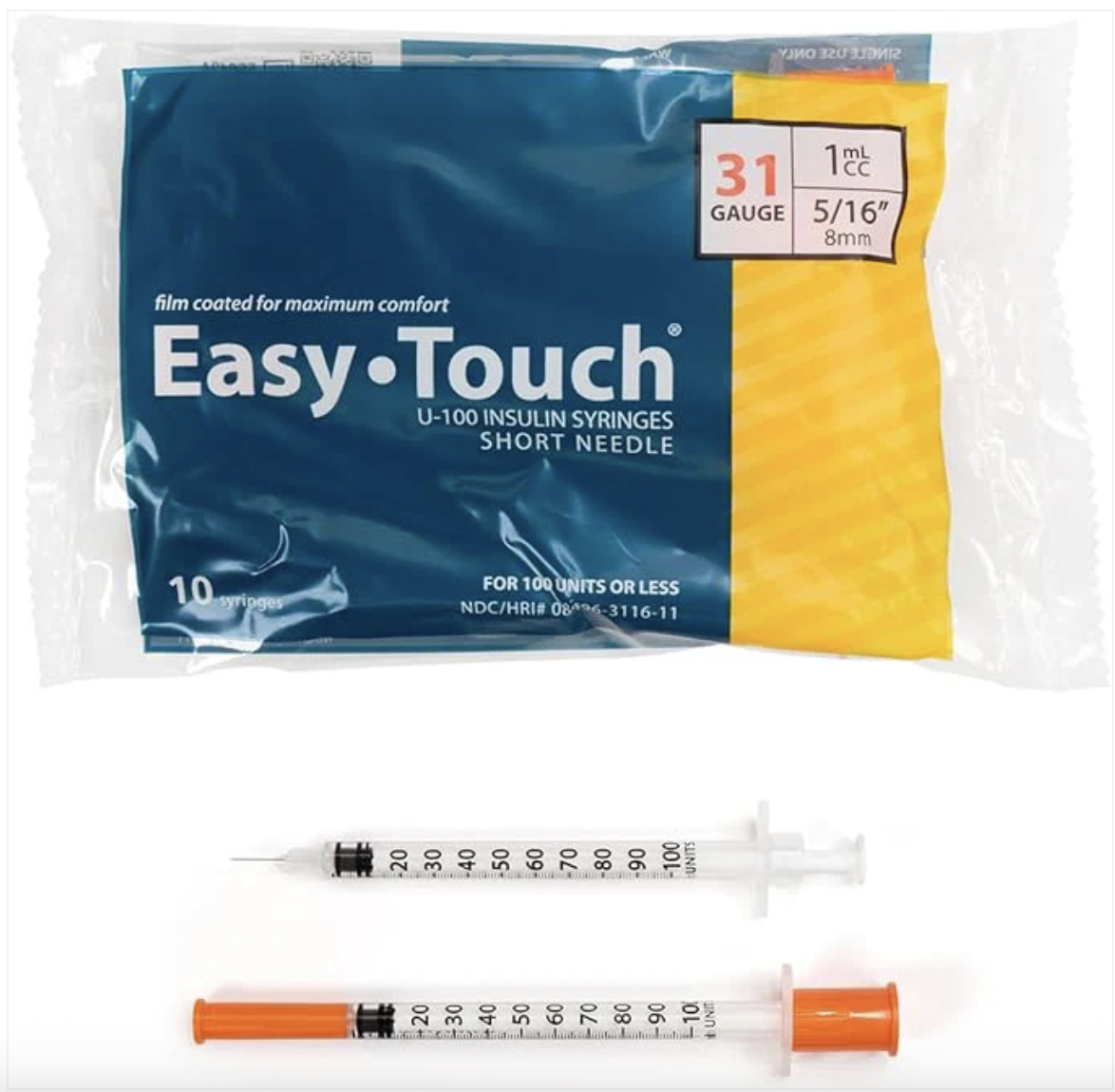
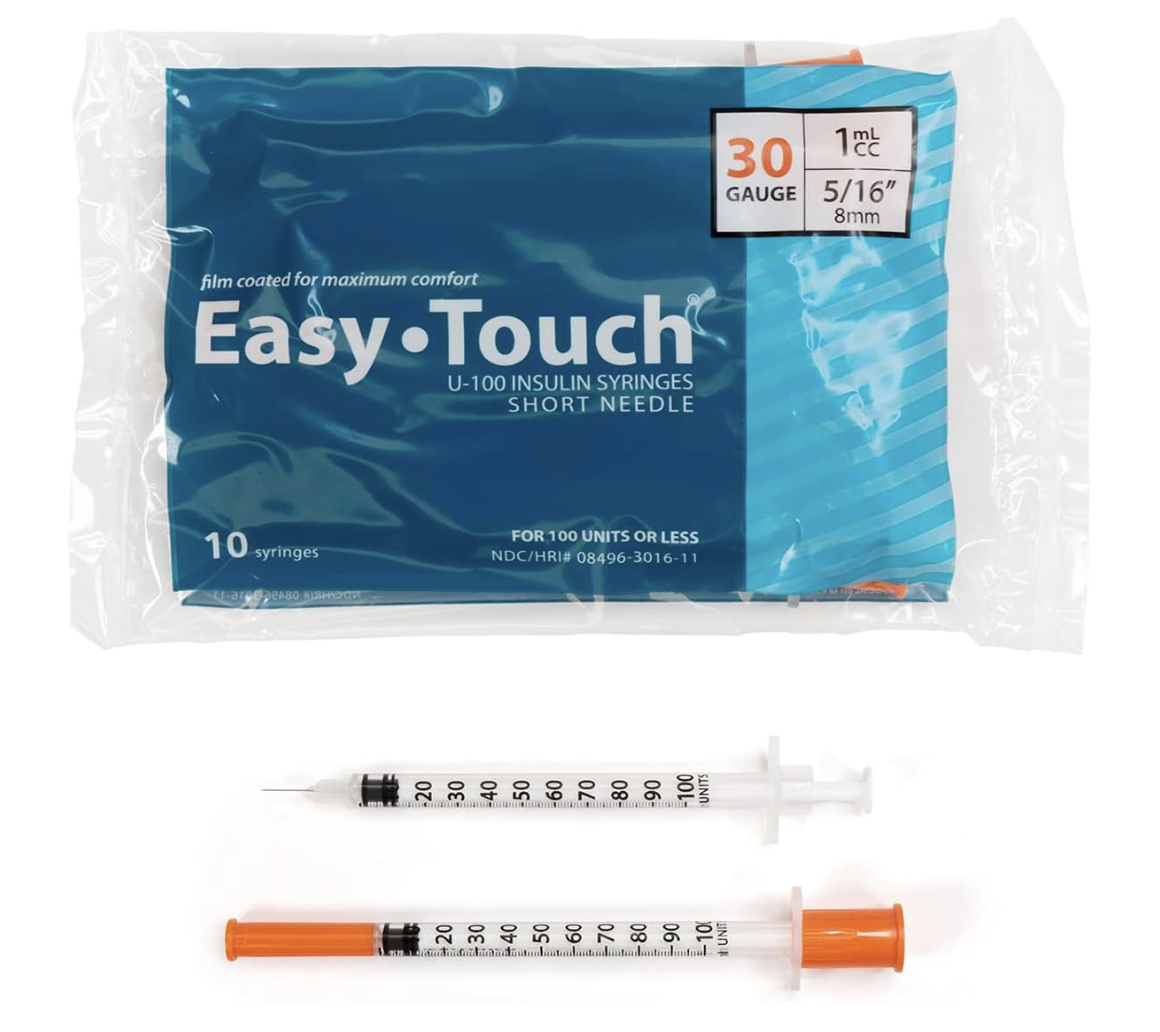
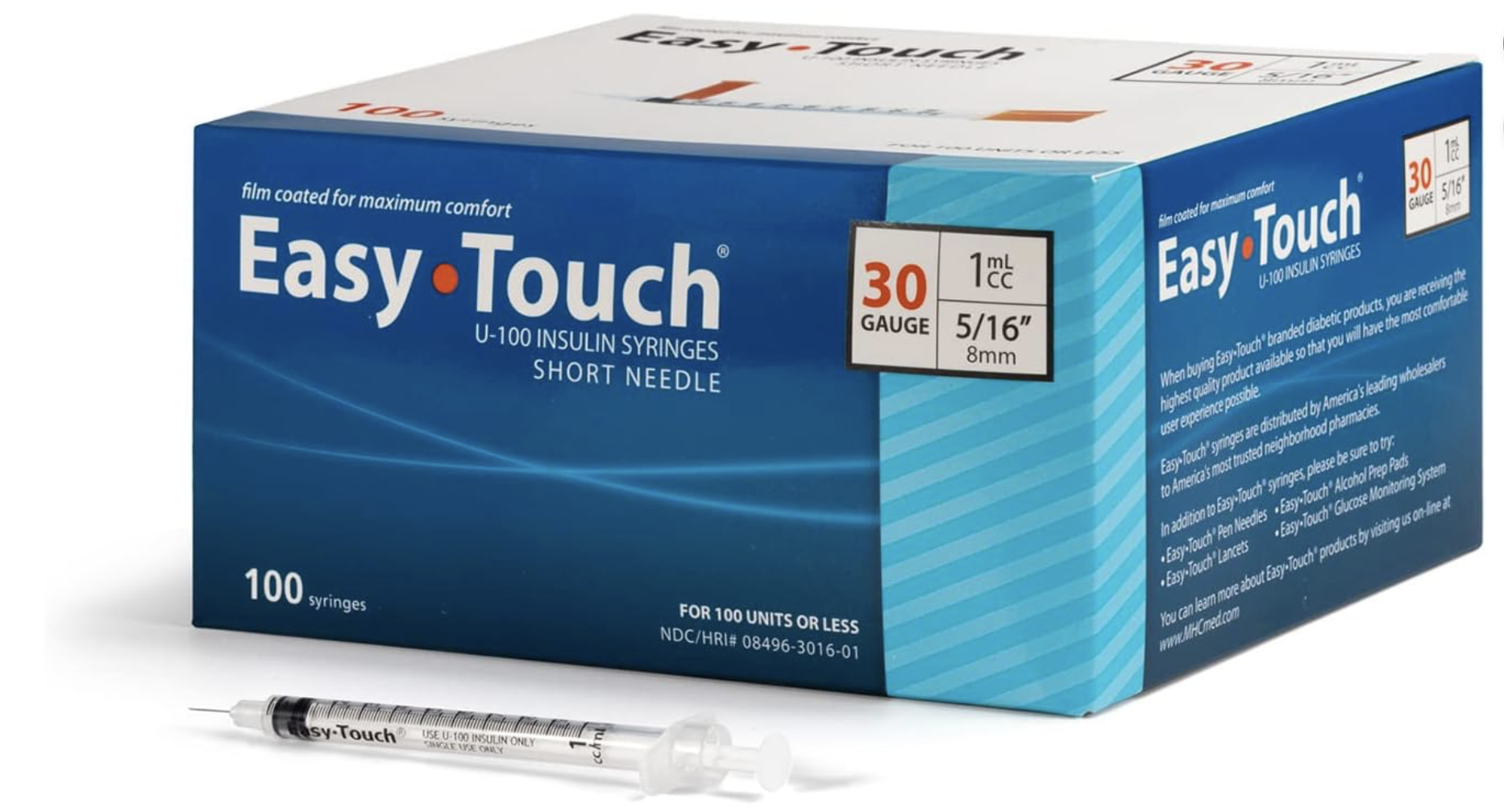
Bacteriostatic Water, Alcohol Pads, and Syringes are not included with orders. Please add them to your cart. If you are only purchasing topical solutions or tablets then these items are not necessary.