KPV (10mg)
Login to view prices.
GHRP-2 (10mg)
Login to view prices.
Ipamorelin/CJC 1295 No DAC (10mg /10mg) - DualCore Blend
Login to view prices.
IGF-1LR3 (1mg)
Login to view prices.
Login to view prices.
Existing research has found the following:
Supports Appetite Regulation Research – Studied for its potential to activate amylin receptors involved in satiety and food intake control.
Explores Metabolic & Glycemic Pathways – Investigated for improving glucose regulation and enhancing insulin sensitivity in experimental models.
Evaluates Cardiometabolic Health Effects – Examined for its influence on lipid metabolism and potential reduction of cardiovascular risk markers.
Appetite Regulation and Energy-Balance Research
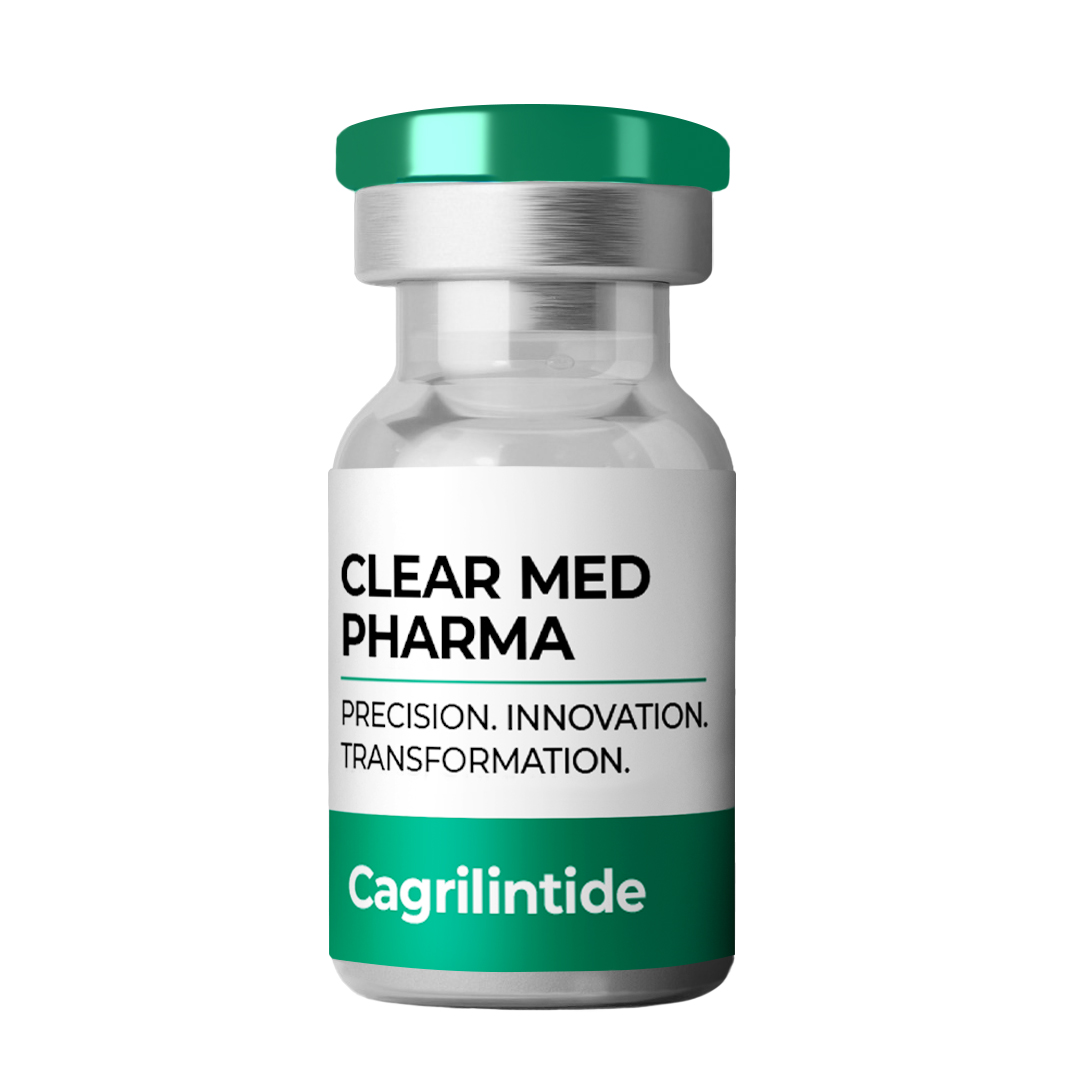
Cagrilintide is a long-acting amylin analog studied in pre-clinical and cellular models for its ability to modulate satiety signaling via amylin and calcitonin receptors in the central nervous system, providing a framework for research into appetite control and energy-balance mechanisms.
Metabolic-Function and Insulin-Sensitivity Studies
In animal and in-vitro systems, Cagrilintide has been observed to improve insulin sensitivity and glucose homeostasis, making it a useful model for studying peptide-regulated metabolic control and glycemic balance.
Cardiometabolic and Vascular-Health Models
Experimental data suggest that Cagrilintide may influence cardiovascular biomarkers and lipid metabolism, supporting its use in studies of cardiometabolic risk reduction and vascular-function regulation.
Energy-Expenditure and Lipid-Metabolism Research
Pre-clinical findings indicate Cagrilintide enhances energy expenditure while modulating lipid oxidation, allowing detailed examination of adipose-tissue regulation and systemic metabolic efficiency.
Type 2 Diabetes and Glucose-Regulation Models
Cagrilintide has been evaluated for its impact on glucose control and pancreatic hormone dynamics in non-clinicaldiabetes research models, contributing to the understanding of amylin receptor pharmacology and insulin secretion.
Synergistic Research with GLP-1 Receptor Agonists
Laboratory studies frequently examine Cagrilintide in combination with GLP-1 analogs such as Semaglutide, investigating synergistic pathways in satiety regulation, glycemic control, and weight-management mechanisms.
Gastrointestinal and Motility Studies
Experimental models have demonstrated Cagrilintide’s ability to delay gastric emptying and modulate gut motility, supporting its use in digestive-system and nutrient-absorption research.
Neuroprotective and Cognitive Function Research
Emerging pre-clinical evidence suggests amylin analogs may influence neuronal energy metabolism and synaptic plasticity, providing a potential research tool for studying neurodegeneration and cognitive-function pathways.
Lyophilized Cagrilintide peptide is stable at room temperature for 90 days; however, it should NOT be stored below freezing for any extended period of time. After reconstituting, Cagrilintide should be refrigerated at temperatures not to exceed 36°F.
Appearance: Solid, white powder in 3mL glass ampule
Chemical Formula: C277H434N76O83
PubChem CID: (Specify if available)
CAS Number: 2249740-17-6
Molecular Weight: ~6117.07 g/mol
Synonyms: Cagrilintide, 2249740-17-6, AM833
Storage: Store at ≤6°C, sealed, away from heat, light, and moisture.
Concentration: ≥98%
Research Use Only (RUO). Not for human or animal use. Not for diagnostic, therapeutic, or clinical applications. No claims are made regarding appetite suppression, glucose control, or cardiovascular benefits in humans. End-user assumes responsibility for determining suitability for specific research protocols.

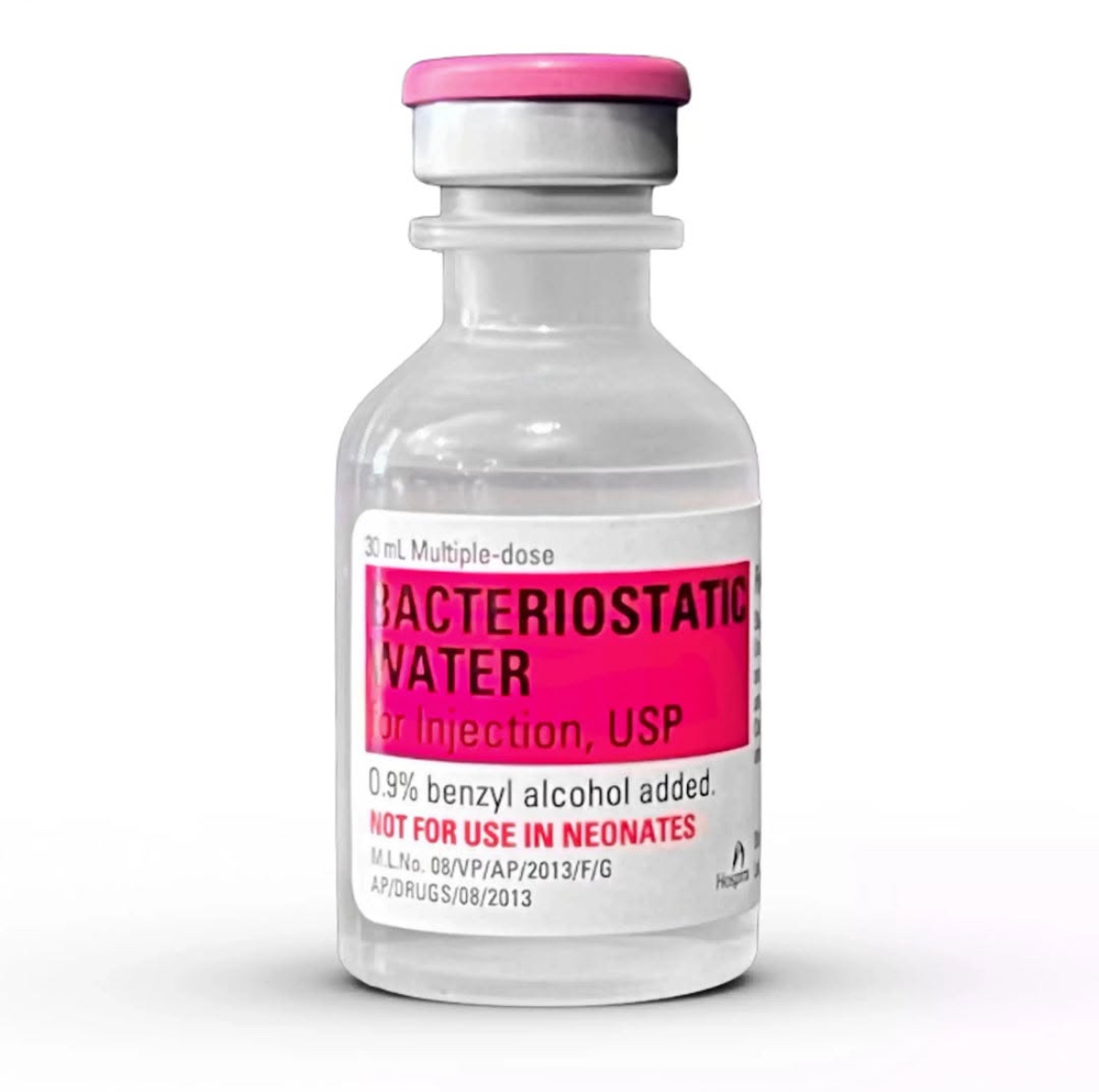
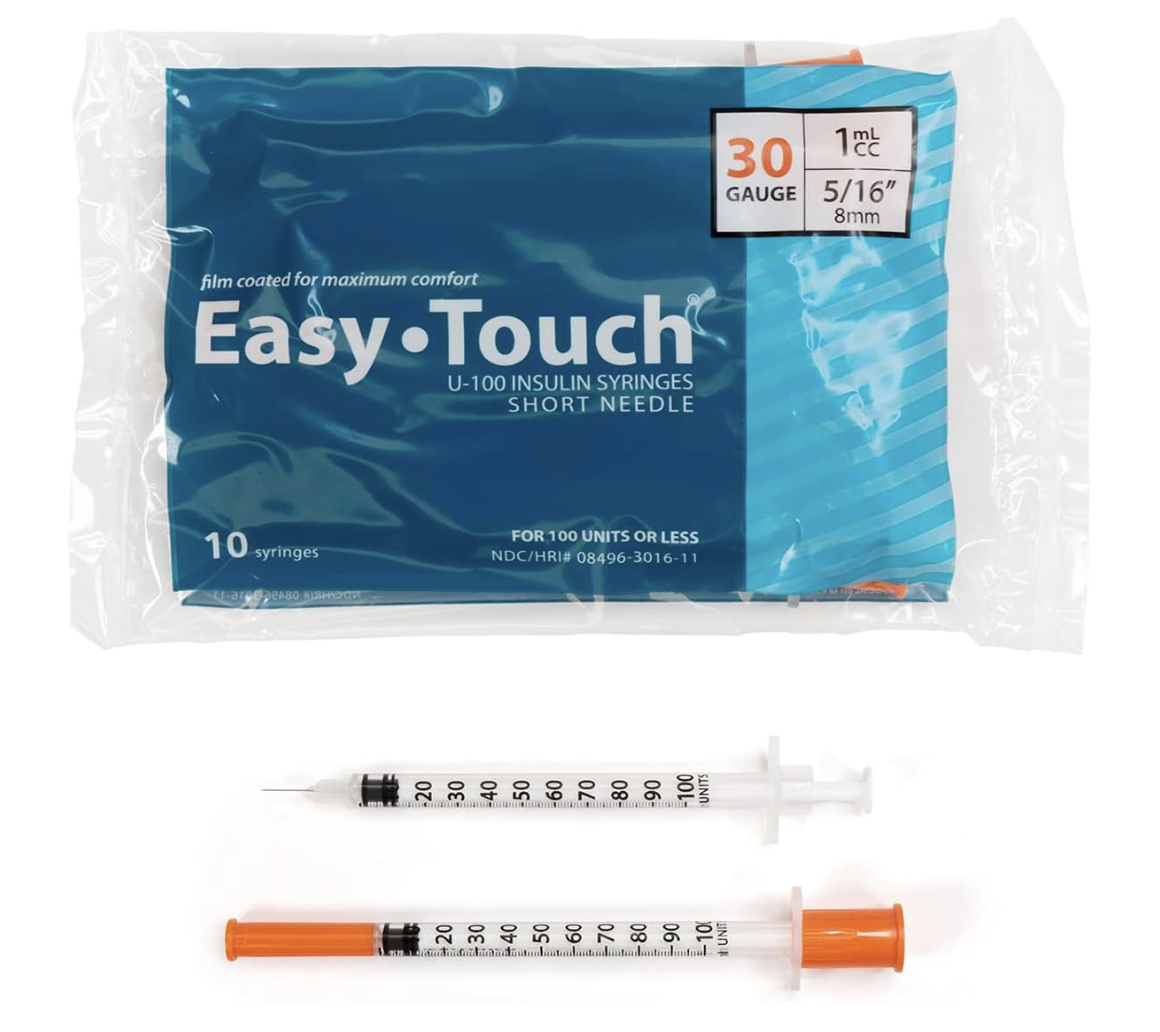
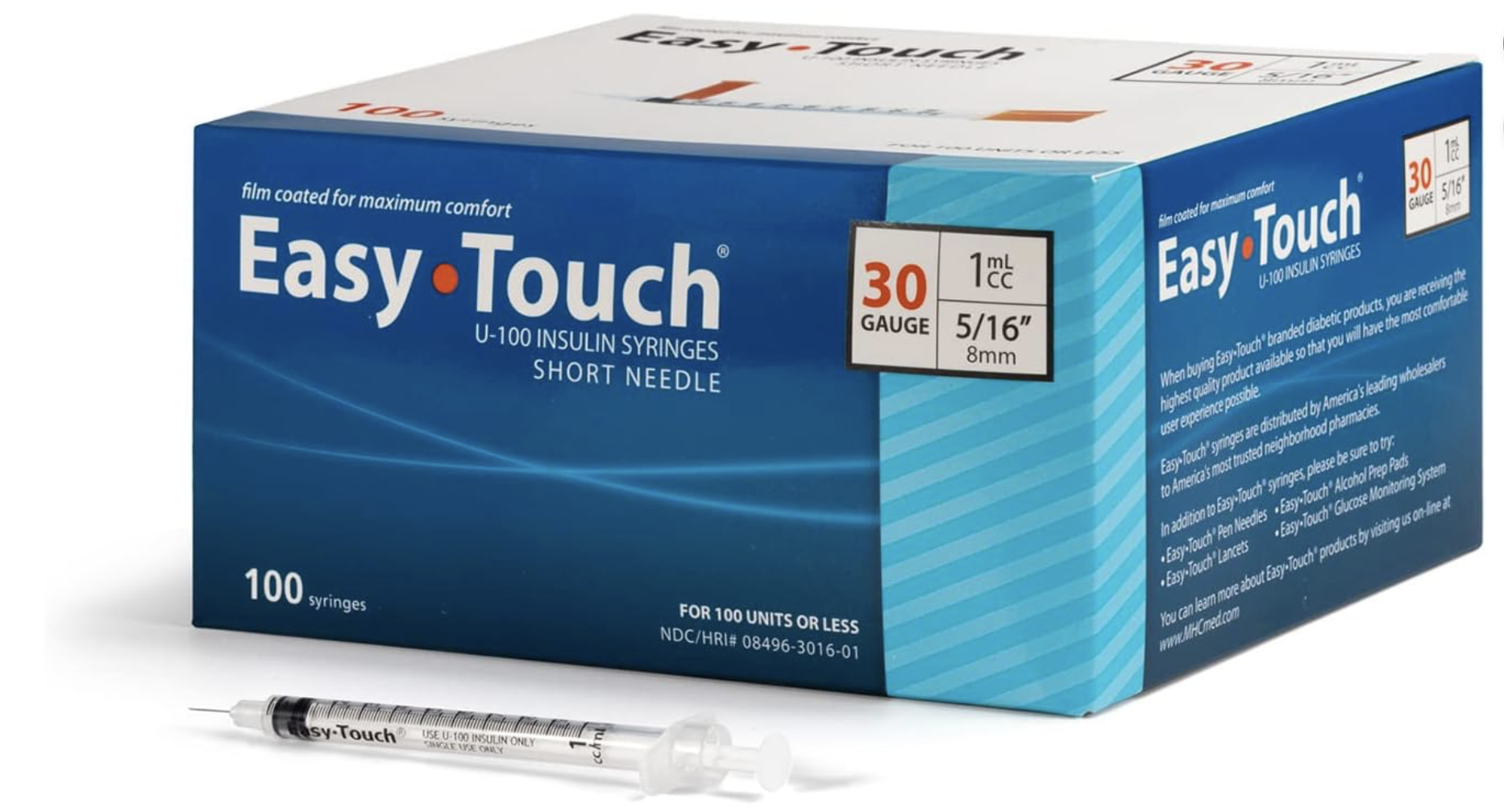
Bacteriostatic Water, Alcohol Pads, and Syringes are not included with orders. Please add them to your cart. If you are only purchasing topical solutions or tablets then these items are not necessary.