Curcumin (600mg)
Login to view prices.
HCG
Login to view prices.
SLU-PP-332 (5mg)
Login to view prices.
IGF-1LR3 (1mg)
Login to view prices.
Login to view prices.
Existing research has found the following:
Supports Fat Metabolism Research – Studied for its potential to stimulate lipolysis and inhibit lipogenesis, promoting balanced fat metabolism.
Explores Body Composition & Weight Regulation Mechanisms – Investigated for reducing adipose tissue accumulation, particularly in resistant fat areas.
Evaluates Glucose & Insulin Sensitivity Effects – Examined for maintaining stable glucose regulation without impacting insulin response in research models.
Lipid-Metabolism and Fat-Oxidation Research
AOD9604 is a synthetic peptide fragment (amino acids 177–191) of human growth hormone (hGH) studied in cellular and pre-clinical systems for its ability to stimulate lipolysis and inhibit lipogenesis without activating the full growth-hormone receptor pathway.
Body-Composition and Energy-Expenditure Studies
In animal models, AOD9604 has been observed to increase fatty-acid oxidation, elevate metabolic rate, and reduce adipose-tissue mass, making it a valuable tool for investigating energy balance and metabolic regulation.
Glucose-Homeostasis and Insulin-Sensitivity Models
Research indicates that AOD9604 does not significantly alter insulin sensitivity or glucose tolerance, allowing isolated study of metabolic and adipolytic pathways independent of GH-mediated glycemic effects.
Cartilage and Joint-Regeneration Studies
Laboratory data suggest AOD9604 may enhance chondrocyte activity and cartilage repair, providing a model for exploring joint regeneration, connective-tissue healing, and degenerative-joint conditions.
Muscle-Preservation and Catabolism-Resistance Research
Pre-clinical findings demonstrate that AOD9604 can help preserve lean muscle mass during calorie restriction or energy deficit, enabling research on muscle maintenance and metabolic adaptation.
Growth-Factor and IGF-1 Pathway Independence
AOD9604 acts independently of the IGF-1 axis, making it an ideal compound for studies focused on metabolic modulation without the proliferative effects linked to full-length GH analogs.
Recovery and Tissue-Repair Models
In experimental systems, AOD9604 has been shown to promote tissue regeneration and mitochondrial efficiency, offering a basis for research into post-exercise recovery and wound-healing dynamics.
Safety and Toxicology Findings
Across multiple in-vitro and animal studies, AOD9604 has demonstrated a favorable toxicological profile, with no reported impact on serum IGF-1 or glucose metabolism under controlled conditions.
Concentration: ≥98%
Research Use Only (RUO). Not for human or animal use. Not for diagnostic, therapeutic, or clinical applications. No claims are made regarding fat loss, metabolism enhancement, or cartilage repair in humans. End-user assumes responsibility for determining suitability for specific research protocols.
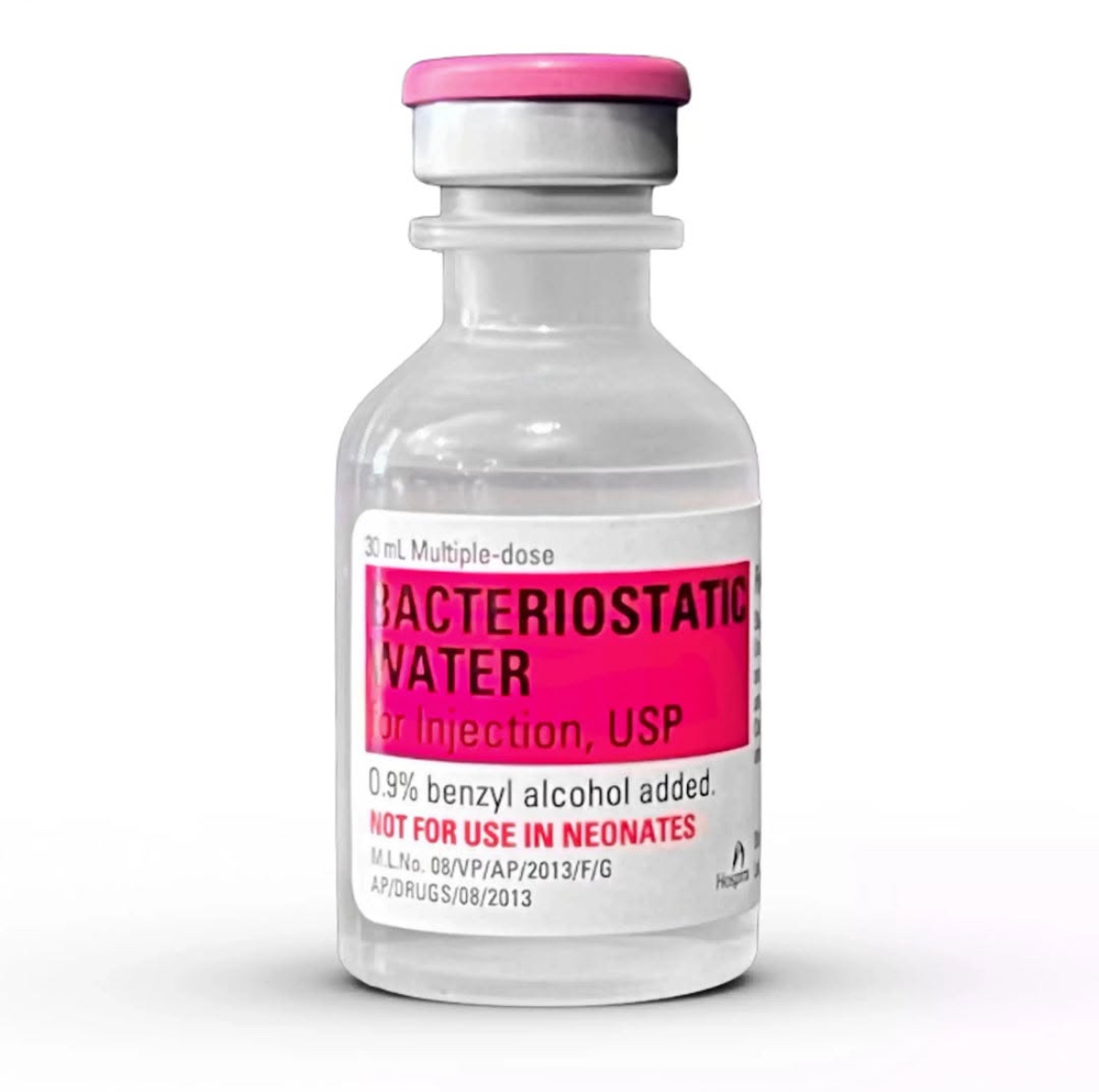
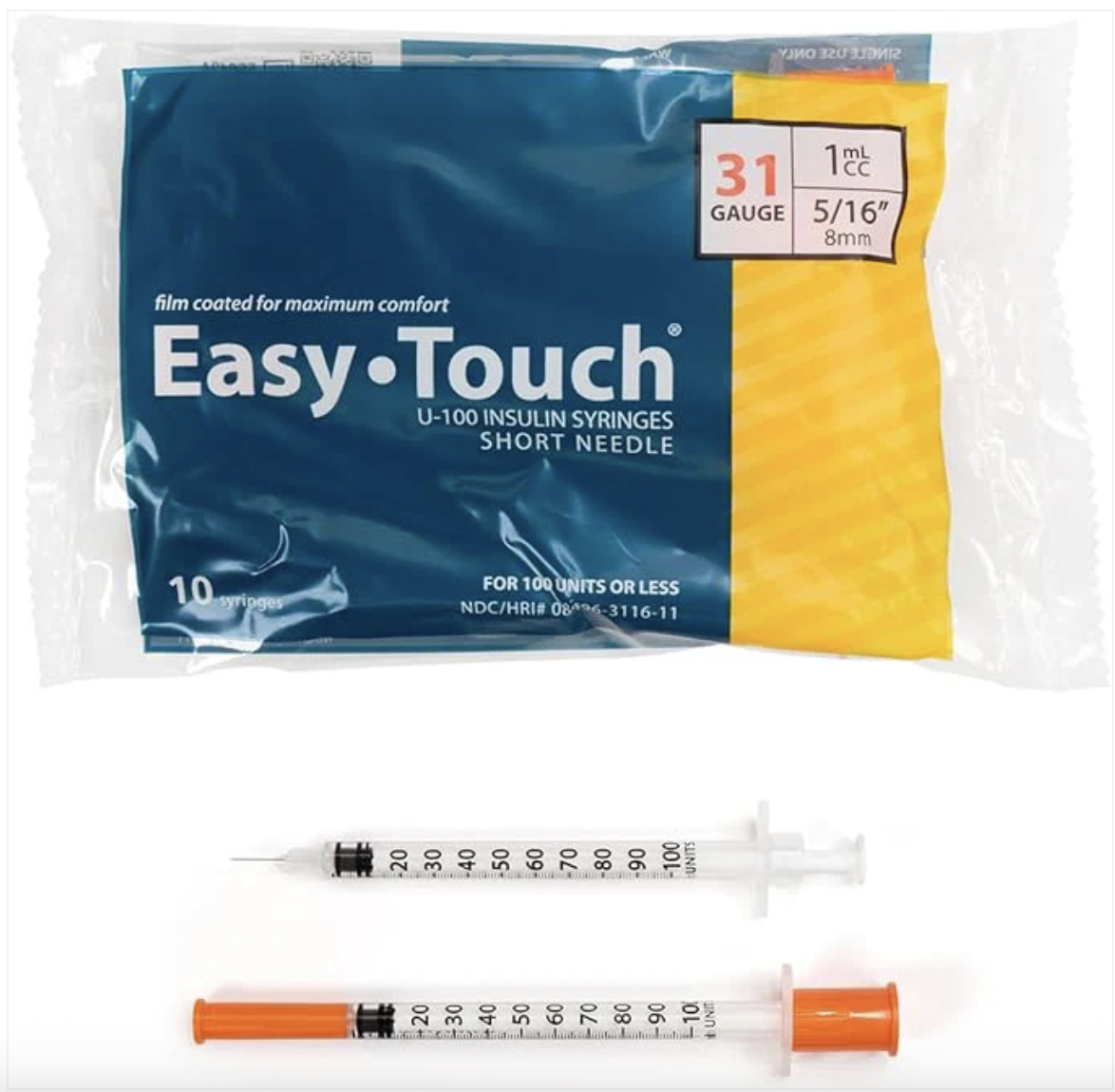
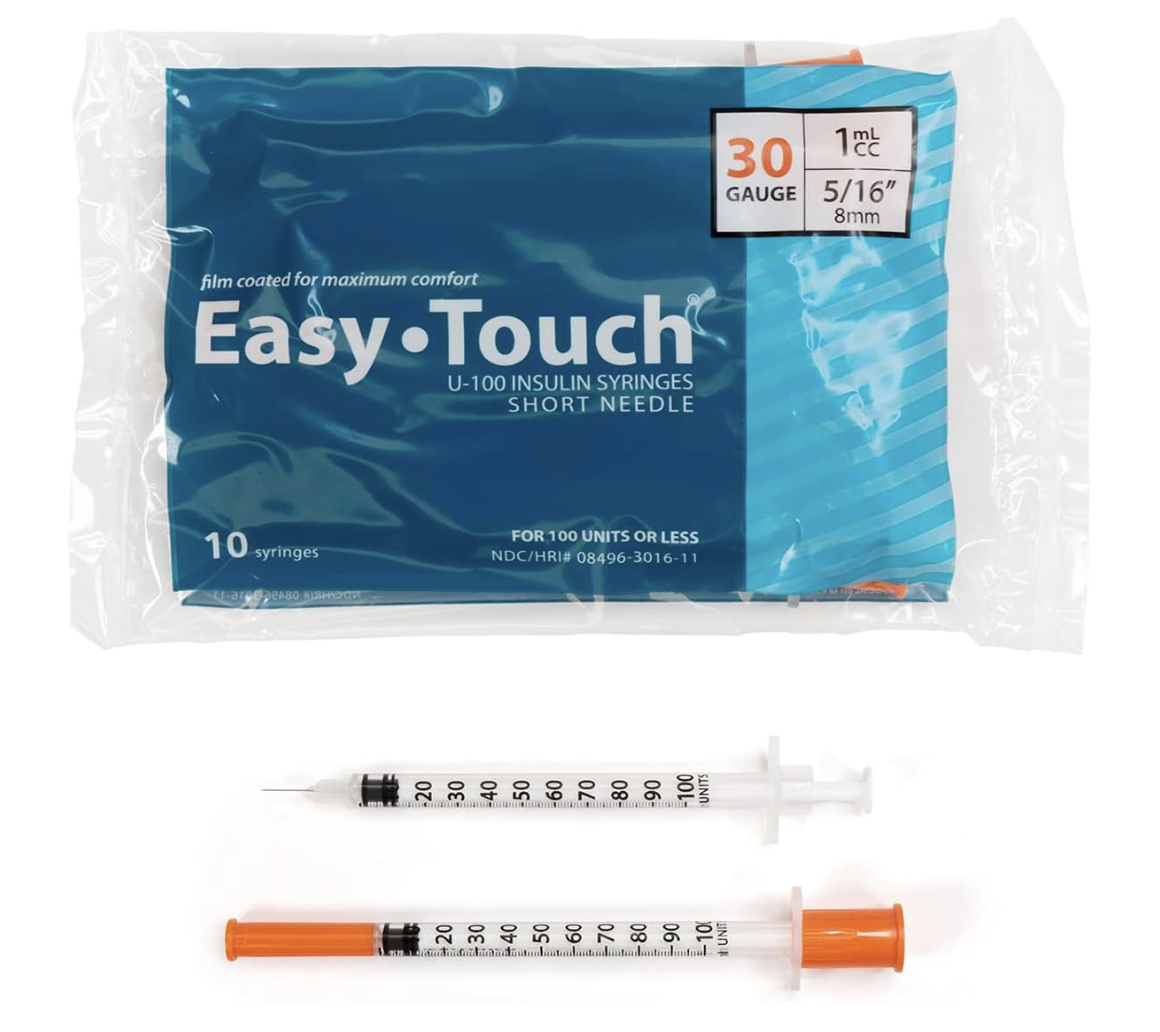
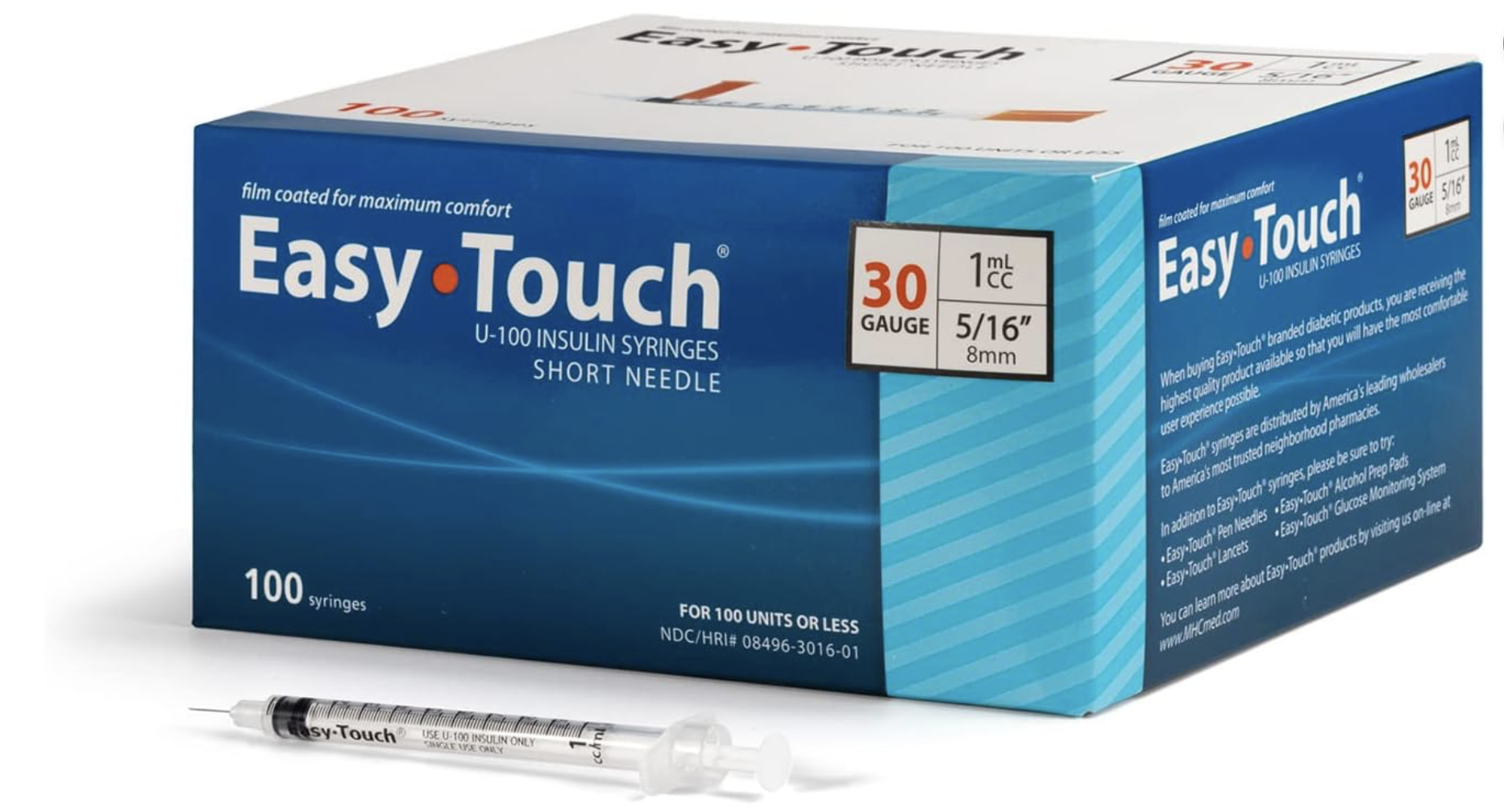
Bacteriostatic Water, Alcohol Pads, and Syringes are not included with orders. Please add them to your cart. If you are only purchasing topical solutions or tablets then these items are not necessary.